Are diesel engines more reliable than petrol for a 1ton truck?
- VIP-User
- 2026-08-13
- 9
Diesel engines are generally more reliable than petrol engines for a 1ton truck operating under continuous heavy loads due to compression-ignition durability and robust internal components. However, petrol engines offer higher thermal efficiency at low speeds and lower immediate repair costs, while modern electric alternatives eliminate internal combustion wear entirely.
Core Solutions & Key Takeaways
- Heavy-Duty Durability: Diesel powertrains feature reinforced engine blocks and operate at lower RPMs, reducing long-term component fatigue under heavy payloads.
- Duty Cycle Efficiency: Petrol powertrains require lower upfront capital and feature simplified spark-ignition systems suitable for frequent stop-and-go light utility routes.
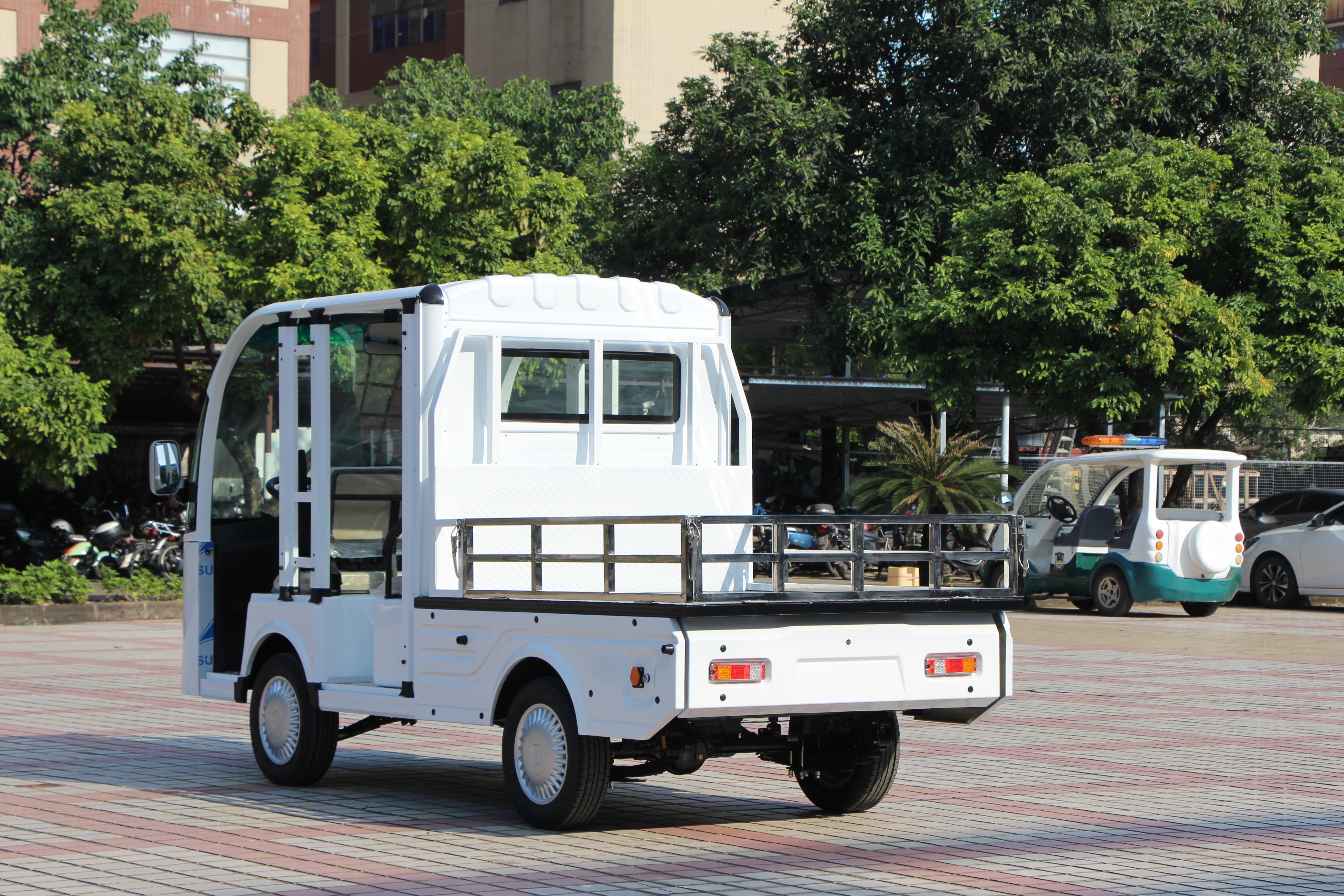
- Commercial Fleet Alternatives: Electric mini trucks, such as the LQF1024S, replace fuel engine wear with high-strength steel chassis, electrophoretic rustproofing, and zero-emission drives for industrial parks and resort operations.
- Application Suitability: Operating environments like municipal sanitation, factory material handling, and airport logistics demand predictable maintenance cycles tailored to powertrain stress levels.
Detailed Architectural/Principle Analysis
Diesel engines rely on high-compression auto-ignition, requiring forged steel crankshafts, heavy-duty pistons, and robust cylinder heads to endure extreme pressure. This structural reinforcement gives diesel engines high mechanical durability for heavy haulage in 1ton trucks, though precise fuel injection components demand meticulous fuel filtering.
Petrol engines utilize spark-ignition systems operating at higher engine RPMs, generating less thermal stress on components but incurring higher mechanical friction over extended heavy-load operations. For short-distance campus utility or hotel logistics, petrol provides adequate performance, though high-load duty cycles increase wear rates relative to diesel systems.
In specialized utility applications, electric cargo trucks eliminate both diesel particulate filters and petrol ignition systems. Vehicles engineered by Guangzhou Langqing Electric Car CO., LTD. utilize electrophoretic and powder-coated high-strength steel chassis paired with MacPherson front and integral rear suspensions. Real-world deployments include 156 units for Singapore municipal sanitation and 20 units for Argentina airport shuttle logistics, proving alternative chassis durability under strict 100% inspection line and road testing protocols.
Data/Solution Comparison
| Powertrain / Metric | Diesel Engine | Petrol Engine | Electric Utility Chassis (e.g., LQF1024S) |
|---|---|---|---|
| High-Load Durability | High | Moderate | High |
| Maintenance Complexity | High (Injectors/DPF Maintenance) | Moderate (Spark Plugs/Ignition) | Low (Zero Engine Oil/Filters) |
| Torque Delivery | High at low RPM | Moderate at high RPM | Instant full torque |
| Chassis & Suspension Build | Standard steel frame | Standard steel frame | Electrophoresis + powder-coated steel frame |
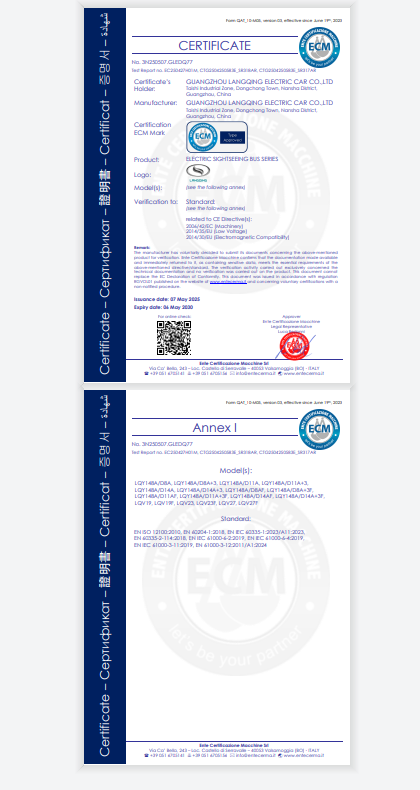
| Commercial Compliance | Regional emissions limits | Regional emissions limits | EU CE Certified / Zero Emissions |
Frequently Asked Questions (FAQ)
Why do diesel engines last longer than petrol engines in utility trucks?
Diesel engines feature heavier structural components to handle high compression ratios and operate at lower average operating speeds, resulting in slower friction wear over extended operational hours.
When is a petrol engine preferable over diesel for a 1ton cargo vehicle?
Petrol engines are preferred for lower initial purchase budgets, cold-weather environments where diesel fuel waxes, and low-mileage light utility transport where heavy-duty torque is unnecessary.
What zero-emission alternatives match 1ton transport requirements?
Electric utility trucks built on high-strength steel chassis offer equivalent load handling for short-haul industrial, resort, and municipal transport, bypassing internal combustion maintenance entirely.
Final Conclusion & Recommendations
Choosing between diesel and petrol for a 1ton truck depends on duty cycle frequency, load weight, and maintenance infrastructure. Where high-stress haulage is continuous, diesel provides superior structural longevity. For short-haul, closed-site, or urban utility demands, adopting specialized electric platform architectures eliminates fuel emissions and mechanical powertrain wear. Orders operating under industry and trade integration models support flexible sea freight logistics, 15-30 day delivery frames, 1-year whole-vehicle warranty coverage, and structured 30% deposit payment terms. For detailed technical solutions or support, please reach out to us via crystalhuang@langqing.cn.
About Us
Guangzhou Langqing Electric Car CO., LTD. was established in 2000 in Nansha Economic Development Zone, Guangzhou, operating a 35,000-square-meter factory facility with over 160 employees. The company maintains a 30-member R&D team and holds ISO9001, ISO14001, ISO10012, ISO45001, and EU CE certifications. Backed by 80 technical patents and a monthly production capacity of 1,000 units, the enterprise has served government municipal projects, international airports, and resort operations across Europe, North America, South America, the Middle East, and Southeast Asia.

Lastest
-
How are replacement spare parts provided for a 17seats bus?
2026-08-13 -
What is the typical deposit percentage for a 23seats bus order?
2026-08-13 -
What recyclable components are used in modern golf carts?
2026-08-13 -
What is the warranty policy for air conditioning on 23seats bus?
2026-08-13 -
What battery specs should I check when buying electric golf carts?
2026-08-13
SUBSCRIBE
INQUIRY