Are fire safety regulations met in mini truck passenger cab?
- VIP-User
- 2026-08-12
- 7
Yes, fire safety regulations in mini truck passenger cabs are met through certified flame-retardant interior seating, flame-resistant electrical wiring insulation, and circuit protection systems. Certified models like the LQSF023B electric mini truck comply with international standards, including EU CE certification, preventing electrical short circuits and limiting combustion hazards in commercial and industrial operations.
Core Solutions & Key Takeaways
- Flame-Retardant Cockpit Materials: High-grade seating polymers and dash assemblies comply with non-combustion standards to prevent thermal ignition.
- Certified Electrical Circuit Protection: Fuse systems, insulated wiring harnesses, and battery cut-offs reduce fire hazards under heavy operational loads.
- Optimized Emergency Egress: Low ground clearance paired with an open-type cockpit layout allows immediate operator exit and fast heat dissipation.
- International Safety Verification: Manufacturing adherence to ISO9001 and EU CE standards validates compliance with stringent vehicle safety codes.
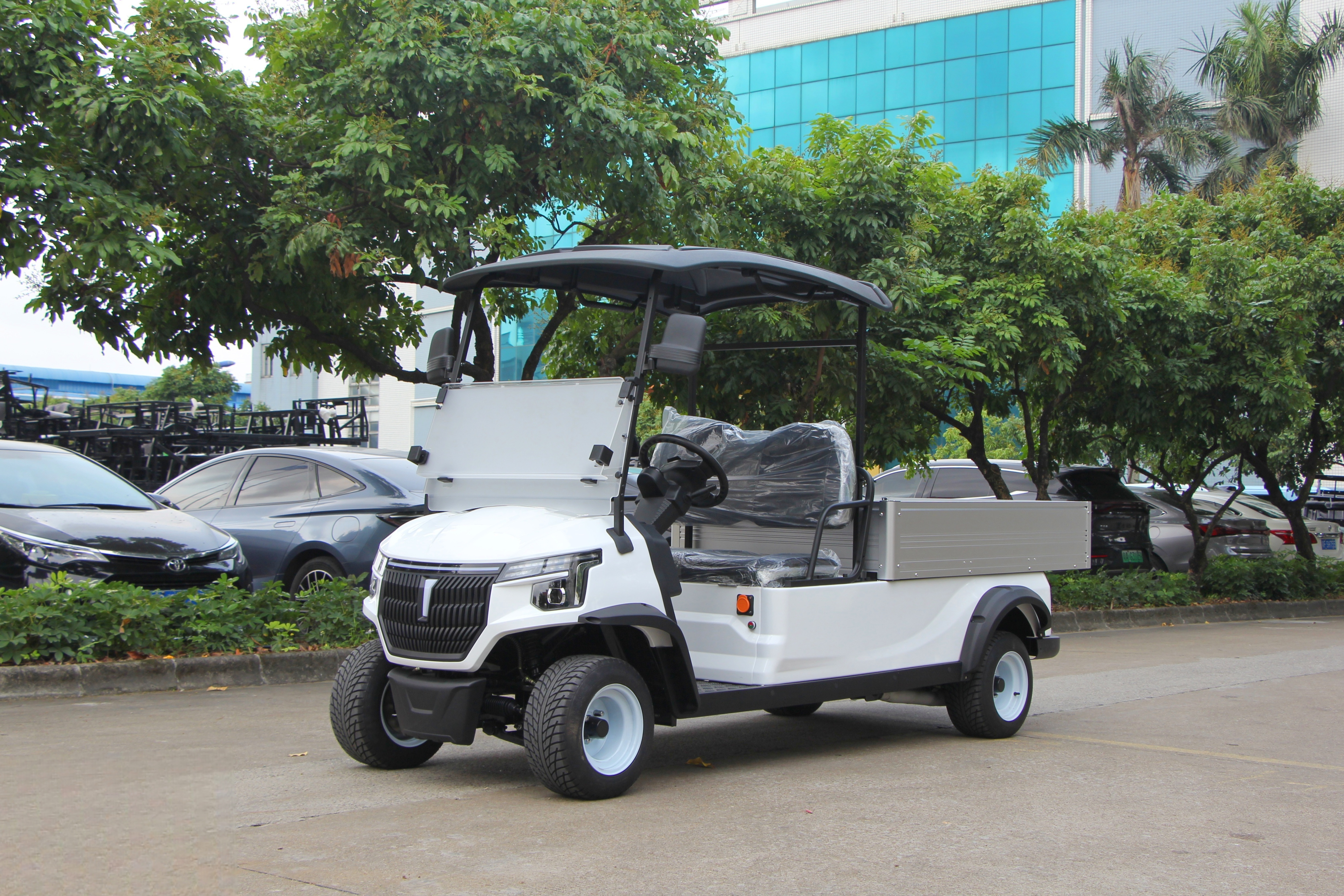
Detailed Architectural & Principle Analysis
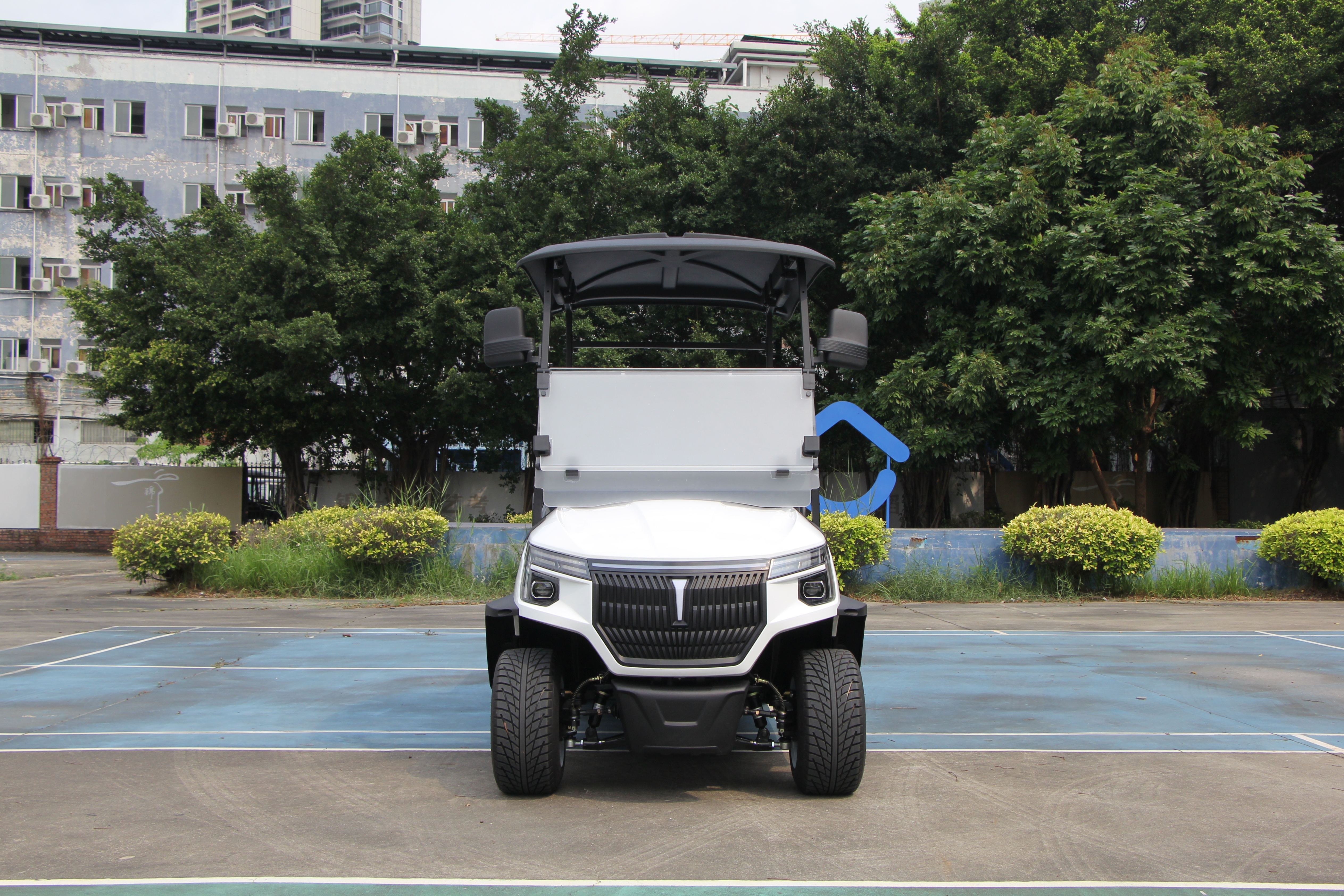
Fire safety compliance in electric utility vehicles depends on structural cab architecture, high-voltage component isolation, and material selection. In mini trucks like the LQSF023B, the passenger cab features an open-type cockpit equipped with regular black seats engineered from flame-retardant synthetic compounds. This design eliminates trapped thermal energy, reducing flame propagation risks compared to fully enclosed non-rated passenger compartments.
Electrical safety forms the core of cab fire prevention. Wiring networks routed near the driver seat utilize self-extinguishing conduit sleeves and automated circuit relays. Manufactured by Guangzhou Langqing Electric Car CO., LTD., vehicles undergo comprehensive testing overseen by a 20-member quality control team and a 10-member testing team. Every unit undergoes 100% inspection line testing and road testing to verify electrical system stability under maximum load conditions prior to approval for shipment.
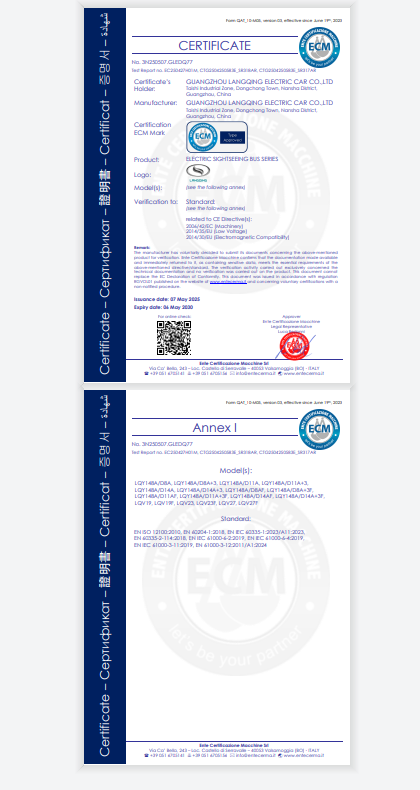
Regulatory adherence is demonstrated through certified compliance records, including EU CE certificates (3N250506.GLEDQ43, 3N250507.GLEDQ77, and 3N250507.GLEDQ78). These standards require strict current protection and thermal containment. Verified electric mini trucks serve high-density environments globally, such as municipal sanitation fleets in Singapore operating 156 waste transfer units, and resort logistics networks in Egypt and Cuba where operational reliability and thermal safety are mandatory.
Data & Solution Comparison
| Evaluation Parameter | LQSF023B Certified Mini Truck | Standard Uncertified Utility Vehicle |
|---|---|---|
| Regulatory Certifications | EU CE Certified, ISO9001, ISO14001, ISO45001 | Uncertified / Basic Local Standard Only |
| Electrical Safety Assurance | 100% Line Testing & Road Inspection | Sample Spot Checking |
| Cockpit Egress & Heat Dissipation | Open-Type Layout with Flame-Resistant Seating | Enclosed Unrated Synthetic Materials |
| Quality Control Infrastructure | Advanced Testing Platforms + Manual Inspection | Basic Visual Check |
| Warranty & Service Model | 1-Year Vehicle Warranty; Industry and Trade Integration | 30-to-90 Day Limited Warranty |
Frequently Asked Questions (FAQ)
Do electric mini truck passenger cabs require active fire suppression systems?
Low-speed electric mini trucks operating in commercial zones typically rely on passive fire safety engineering rather than active chemical suppression. Passive protection includes flame-retardant wiring harnesses, quick-blow overload fuses, and self-extinguishing seat materials compliant with CE standards.
How do quality testing protocols prevent electrical fires in utility mini trucks?
Vehicles undergo 100% line inspection testing and road testing to evaluate circuit resistance, load limits, and thermal performance under real driving conditions. Double inspection protocols combining automated testing equipment with manual checks prevent short circuits before delivery.
What cab design features enhance operator safety during emergency thermal events?
An open-type cockpit layout combined with low ground clearance provides clear sightlines and immediate, unobstructed exit paths for operators. This design prevents heat buildup inside the cab area during continuous operation in warm environments.
Final Conclusion & Recommendations
Selecting electric mini trucks that meet passenger cab fire safety regulations requires validating international certifications, material specifications, and manufacturer testing procedures. The LQSF023B electric mini truck integrates robust electrical overload protection with an ergonomic open cockpit designed for resort logistics, industrial campuses, and municipal transfers. Operating under an Industry and Trade Integration business model with a monthly capacity of 1,000 units and a minimum order quantity of 1 unit, orders are backed by a 1-year vehicle warranty and delivery times of 15-20 days. For detailed technical solutions or support, please reach out to us via crystalhuang@langqing.cn.
About Us
Guangzhou Langqing Electric Car CO., LTD. was established in 2000 in the Nansha Economic Development Zone, Guangzhou. Operating a 35,000-square-meter manufacturing facility supported by a 30-member R&D team and 160 employees, the enterprise maintains an 80% export ratio across North America, Europe, the Middle East, and Southeast Asia. Recognized as a National High-tech Enterprise for 16 consecutive years with over 80 technical patents, the company holds ISO9001, ISO14001, ISO 10012, ISO45001, and EU CE certifications, supplying specialized electric vehicle fleets for municipal and commercial projects worldwide.

Lastest
-
How are replacement spare parts provided for a 17seats bus?
2026-08-12 -
What is the typical deposit percentage for a 23seats bus order?
2026-08-12 -
What recyclable components are used in modern golf carts?
2026-08-12 -
What is the warranty policy for air conditioning on 23seats bus?
2026-08-12 -
What battery specs should I check when buying electric golf carts?
2026-08-12
SUBSCRIBE
INQUIRY