Can a 17seats bus handle frequent stops without excessive fuel consumption?
- VIP-User
- 2026-10-04
- 1
A 17seats bus powered by an electric powertrain completely eliminates fuel consumption during frequent stop-and-go operations. Unlike internal combustion vehicles that waste fuel while idling, all-electric 17-seat sightseeing buses utilize sensitive braking systems, electric power-assisted steering, and lightweight PT+PBT alloy body structures to maximize energy efficiency and deliver zero-emission passenger transport across scenic, resort, and transit environments.
Core Solutions & Key Takeaways
- Zero-Fuel Operations: Fully electric drive system eliminates gasoline or diesel costs, making high-frequency stop-and-go routes cost-effective.
- Optimized Chassis Architecture: A high-strength anti-rust steel chassis paired with a MacPherson independent front suspension handles continuous municipal and resort transit cycles.
- Impact Resistance & Lightweight Body: The PT+PBT alloy injection-molded front cover combined with an open-cockpit design lowers total vehicle weight while maintaining structural durability.
- Precise Low-Speed Control: Electric power-assisted steering and sensitive responsive braking simplify driver handling during constant boarding stops.
Detailed Architectural/Principle Analysis
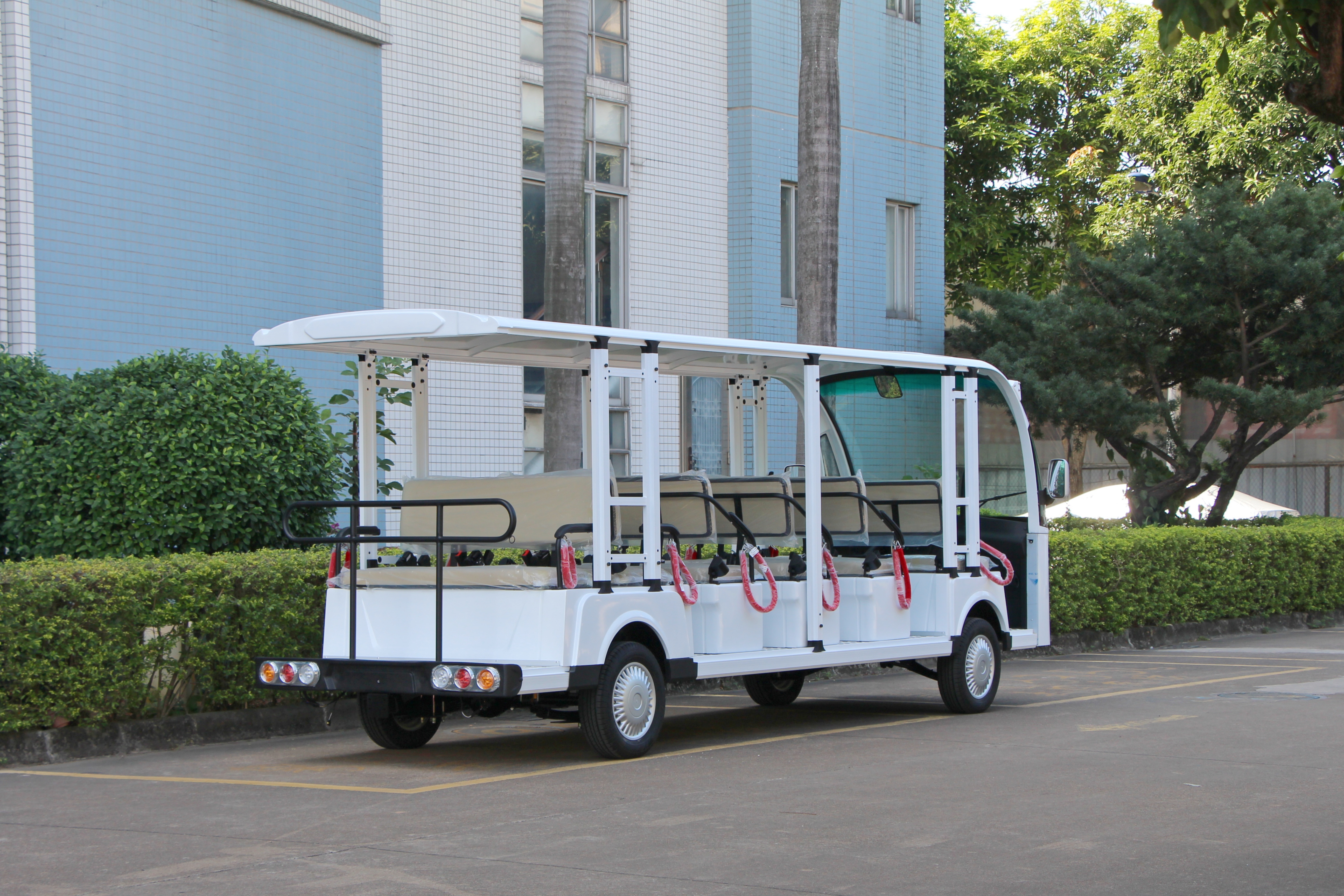
Frequent stops in traditional internal combustion buses cause heavy thermal loads on braking hardware and spike engine fuel consumption during acceleration phases. The electric 17seats bus (Model LQY148A / D14A+3) manufactured by Guangzhou Langqing Electric Car CO., LTD. addresses these issues through targeted engineering.
The vehicle features a lightweight roof and open cockpit design, reducing curb weight to ensure minimal energy drawing from the battery pack during frequent acceleration. The front end utilizes a PT+PBT alloy injection-molded cover, providing high impact resistance against minor collisions common in high-traffic tourist sites. Structural rigidity is maintained via a high-strength anti-rust steel chassis frame. Front axle control uses a MacPherson independent suspension for dynamic stability, while the rear axle employs a heavy-duty leaf-spring suspension to manage full passenger loads up to 17 occupants.

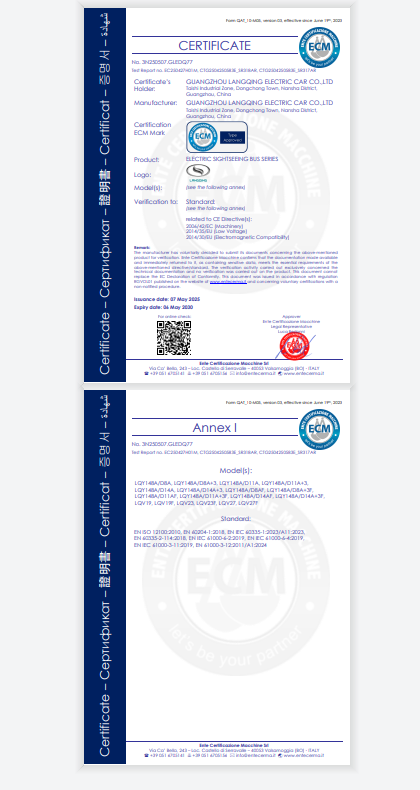
Operational safety during constant passenger drop-offs is managed by an automotive-grade sensitive braking system paired with electric power-assisted steering. Compliance with international standards is validated by CE certification (Certificate numbers 3N250506.GLEDQ43, 3N250507.GLEDQ77, and 3N250507.GLEDQ78). Large-scale fleet deployments confirm performance under continuous shuttle conditions, including over 3,500 units deployed for shuttle operations in Cuba, 131 units supplied for Egyptian museum cultural tourism routes, and 20 units servicing airport transit lines in Argentina.
Data/Solution Comparison
Comparing technical specifications and functional attributes highlights the differences between an electric 17seats bus and traditional internal combustion mini-buses under frequent stop-and-go usage:
| Feature / Metric | Electric 17seats Bus (Model LQY148A) | Traditional Internal Combustion Mini-Bus |
|---|---|---|
| Fuel Consumption Rate | Zero (100% Electric Powertrain) | High (Spikes during idling & restart) |
| Front Suspension Type | MacPherson Independent Suspension | Rigid Axle / Standard Leaf Spring |
| Body Panel Material | PT+PBT Alloy Injection Molding | Conventional Stamped Sheet Metal |
| Steering Assist System | Electric Power-Assisted Steering (EPS) | Hydraulic or Mechanical Steering |
| Quality Inspection Standard | 100% Line Testing + Road Test Inspection | Varies by Manufacturer |
| Frame Corrosion Protection | High-Strength Anti-Rust Steel Structure | Standard Paint Coating |
Frequently Asked Questions (FAQ)
How does a 17seats electric bus avoid energy waste during idling at stops?
Electric propulsion systems draw power from the battery only when the vehicle is moving. When stationary at passenger boarding stops, the traction motor consumes zero energy, eliminating the continuous fuel consumption inherent to idling internal combustion engines.
What suspension layout supports full 17-passenger loads on uneven roads?
The vehicle integrates a dual-suspension design consisting of a MacPherson independent front suspension for steering control and road absorption, combined with a rear leaf-spring suspension engineered to carry heavy load capacities across continuous operational shifts.
What quality control procedures ensure vehicle durability before delivery?
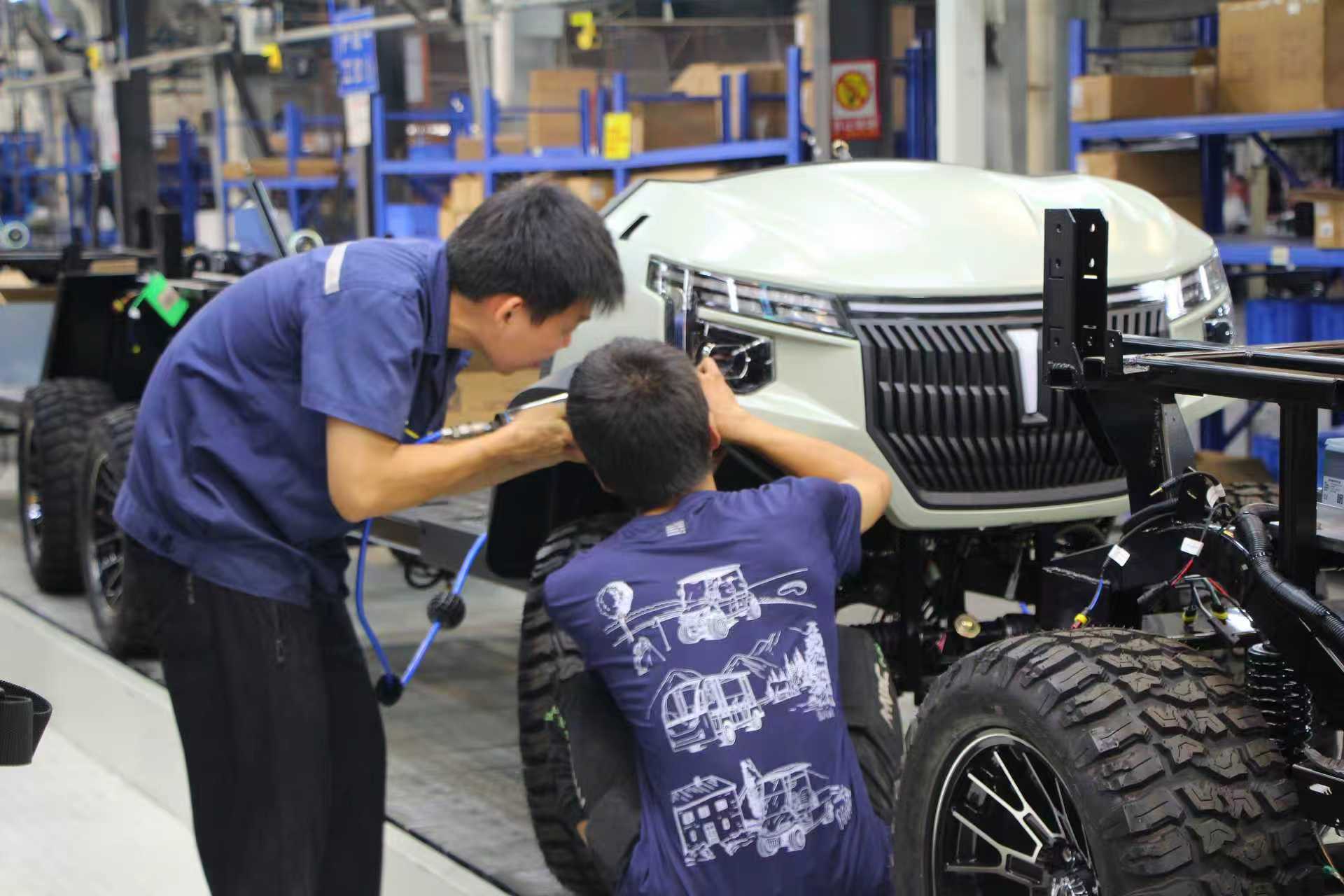
Every vehicle undergoes dual-layer verification, combining advanced testing equipment with manual evaluation. Units complete 100% inspection line testing and dedicated road testing prior to shipping clearance.
Final Conclusion & Recommendations
Deploying electric 17seats buses removes fuel overhead completely while offering optimal maneuvering for high-frequency passenger transit. Procurement is supported under an Industry and Trade Integration model with a minimum order quantity (MOQ) of 1 unit, a typical production lead time of 15 to 30 days, sea freight shipping, and standard payment terms of 30% deposit with the balance settled before loading. All vehicles include a 1-year full-vehicle warranty. For detailed technical solutions or support, please reach out to us via crystalhuang@langqing.cn.
About Us
Guangzhou Langqing Electric Car CO., LTD. was established in 2000 and operates out of a 35,000-square-meter facility in Nansha District, Guangzhou. The company employs 160 personnel, including a 30-member R&D team, maintaining a monthly production capacity of 1,000 units. Certified under ISO9001, ISO14001, and EU CE standards, the enterprise has served public municipal projects, airport authorities, and resort clients across North America, South America, Europe, the Middle East, Africa, and Southeast Asia.
Lastest
-
How are replacement spare parts provided for a 17seats bus?
2026-10-04 -
What is the typical deposit percentage for a 23seats bus order?
2026-10-04 -
What recyclable components are used in modern golf carts?
2026-10-04 -
What is the warranty policy for air conditioning on 23seats bus?
2026-10-04 -
What battery specs should I check when buying electric golf carts?
2026-10-04
SUBSCRIBE
INQUIRY