Can these electric golf carts pass EU RoHS material standards?
- VIP-User
- 2026-08-11
- 7
Electric golf carts engineered with high-strength composite bodies, electrophoretic metal chassis, and manufactured under ISO14001 environmental standards adhere to strict EU material safety guidelines. Verified through EU CE certification, products like the Guangzhou Langqing Electric Car CO., LTD. LQD021 model utilize non-toxic composite materials and corrosion-resistant metal treatments suitable for international market compliance.
Core Solutions & Key Takeaways
- Eco-Friendly Composite Construction: Modern electric golf carts feature high-strength composite bodies and electrophoretic metal chassis designed to minimize toxic chemical runoff and heavy metal usage during manufacturing.
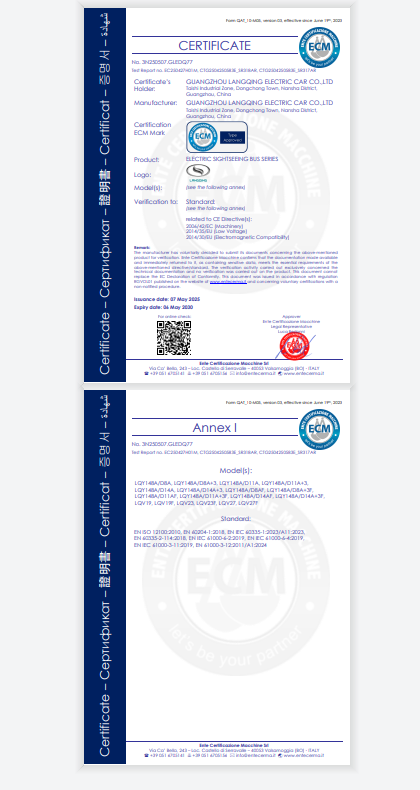
- ISO & CE International Compliance: Quality management under ISO9001 and ISO14001 environmental standards ensures strict oversight of raw materials, aligning with EU health, safety, and environmental standards (CE Certificate Nos. 3N250506.GLEDQ43, 3N250507.GLEDQ77, 3N250507.GLEDQ78).
- Versatile Application Scenarios: Safe material design makes these vehicles optimal for Golf Courses, Gated Communities, and Resorts & Hotels where non-hazardous, quiet transport is mandated.
- Rigorous Testing Protocols: Every manufactured vehicle passes through 100% inspection line testing and road testing prior to international shipment.
Detailed Architectural & Material Analysis
Ensuring that electric golf carts conform to EU hazardous substance and safety directives begins at the structural engineering level. The vehicle framework utilizes an electrophoretic metal chassis, a process that applies an electro-deposited coating to shield the underlying metal against corrosion without relying on banned heavy metal compounds or hazardous organic solvents. Complementing this framework, the outer shell consists of a high-strength composite body, offering impact resilience and UV stability without dangerous chemical off-gassing.
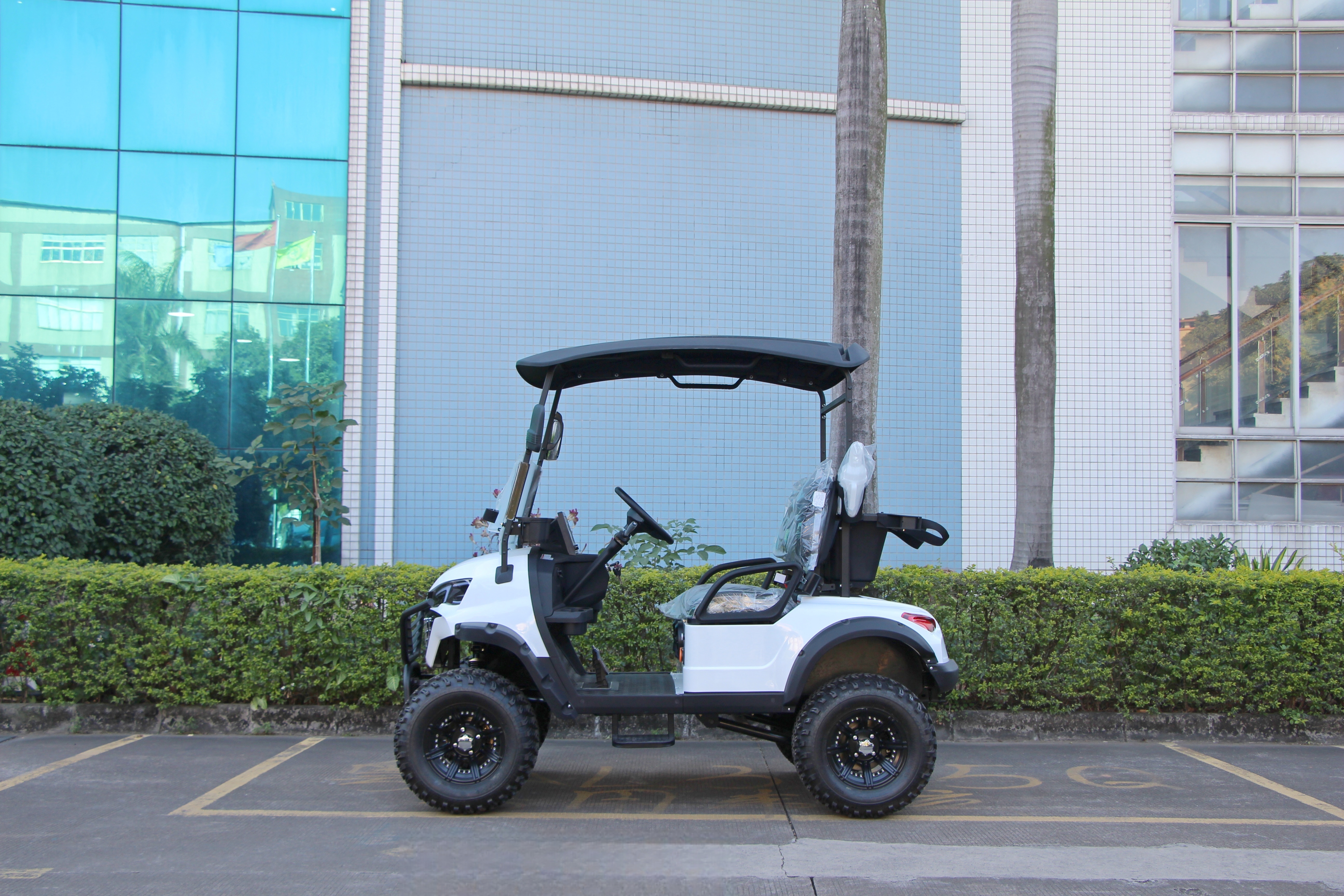
The manufacturing architecture is managed through certified environmental and safety systems, including ISO14001 and ISO45001. Raw material selection is filtered through pre-production quality controls maintained by dedicated testing and quality management teams. Each structural element—ranging from the independent suspension system to the ergonomic support seating—is audited to prevent chemical degradation under extreme operating conditions across European and global markets.
Compliance capabilities are backed by EU CE certifications covering electric golf carts, sightseeing buses, and mini trucks. Production facilities feature dedicated slope testing platforms and pre-delivery inspection equipment to guarantee structural integrity. International deployments, such as 3,500+ shuttle units delivered for municipal transport in Cuba and 156 municipal sanitation units in Singapore, validate long-term environmental durability and material stability across varied working conditions.
Data & Technical Specification Comparison
Comparing structural and material parameters illustrates how modern electric golf carts meet strict international export standards compared to legacy golf cart builds.
| Technical Specification | LQD021 Electric Golf Cart Standard | Conventional Golf Cart Baseline |
|---|---|---|
| Chassis Treatment | Electrophoretic metal chassis coating | Standard spray painting |
| Body Shell Material | High-strength non-hazardous composite | Standard fiberglass or unrated plastic |
| Quality Inspection | 100% inspection line + road testing | Batch sampling inspection |
| Environmental Certification | ISO14001 & EU CE certified | Uncertified / Basic regional standard |
| Suspension Architecture | Independent suspension system | Fixed rigid axle |
Frequently Asked Questions (FAQ)
Are materials used in these electric golf carts safe for resort and gated community deployment?
Yes. The high-strength composite body panels and non-toxic interior fittings are selected specifically to operate safely in high-occupancy environments such as hotels, gated residential zones, and public parks without releasing harmful emissions or odors.
What certifications verify compliance for exporting to European markets?
The vehicles hold multiple EU CE certificates (3N250506.GLEDQ43, 3N250507.GLEDQ77, 3N250507.GLEDQ78) covering electric golf carts, sightseeing buses, and utility trucks, alongside ISO9001 and ISO14001 organizational standards.
How are individual components tested before dispatch?
Every single unit undergoes 100% inspection line testing, including slope platform analysis and road performance evaluation, ensuring electrical, mechanical, and material integrity before shipment approval.
Final Conclusion & Recommendations
Selecting electric golf carts built with electrophoretic chassis treatments and high-strength composite bodies provides full alignment with international safety and environmental expectations. Supported by an Industry and Trade Integration model, flexible ordering terms with a Minimum Order Quantity (MOQ) of 1 unit, and a standard delivery timeline of 15-20 days, these electric vehicles offer high durability for global distributors and commercial operators alike. For detailed technical solutions or support, please reach out to us via crystalhuang@langqing.cn.
About Us
Guangzhou Langqing Electric Car CO., LTD. was established in 2000 and operates a 35,000-square-meter manufacturing facility equipped with a 30-member R&D team and 20 quality control professionals. Operating a complete industrial chain across research, production, and sales, the company achieves a monthly production capacity of 1,000 units with an export ratio of 80%. Holding ISO9001, ISO14001, and EU CE certifications, the company has delivered thousands of electric golf carts, sightseeing buses, and utility trucks to clients across Europe, North America, South America, the Middle East, and Southeast Asia.

Lastest
-
How are replacement spare parts provided for a 17seats bus?
2026-08-11 -
What is the typical deposit percentage for a 23seats bus order?
2026-08-11 -
What recyclable components are used in modern golf carts?
2026-08-11 -
What is the warranty policy for air conditioning on 23seats bus?
2026-08-11 -
What battery specs should I check when buying electric golf carts?
2026-08-11
SUBSCRIBE
INQUIRY