How are supply chain shifts affecting 14seats bus pricing?
- VIP-User
- 2026-08-13
- 7
Global supply chain shifts influence 14seats bus pricing through raw material costs, chassis steel sourcing, and specialized components like PT+PBT alloy covers and independent suspensions. Streamlined manufacturing and high monthly production capacity stabilize vehicle assembly, while localized freight and bulk export logistics directly impact final landed costs across international markets.
Core Solutions & Key Takeaways
- Component Sourcing & Material Efficiency: Utilizing lightweight open-cockpit roof designs combined with PT+PBT alloy injection-molded front covers offers high impact resistance while reducing overall vehicle weight and material overhead.
- Chassis & Suspension Standardization: High-strength anti-rust steel chassis paired with MacPherson front independent suspension and rear leaf-spring systems balance production efficiency with road adaptability.
- Quality Control Line Inspection: Implement 100% inspection line and road testing protocols prior to dispatch to prevent post-delivery operational failures.
- Logistical Streamlining: Large-scale manufacturing capabilities (1,000 units monthly capacity) help absorb component price fluctuations and maintain competitive unit costs for international deployments.
Detailed Architectural/Principle Analysis
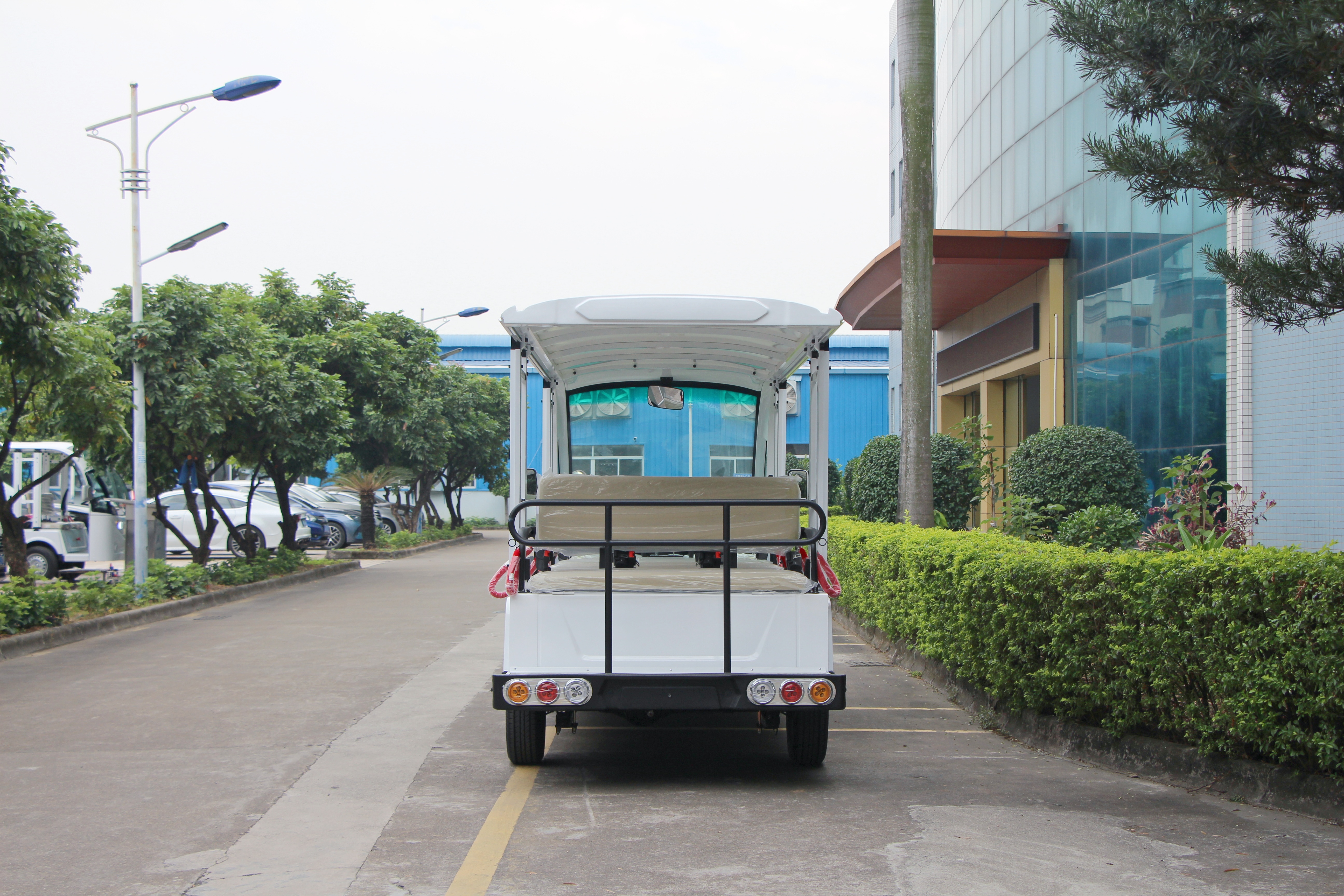
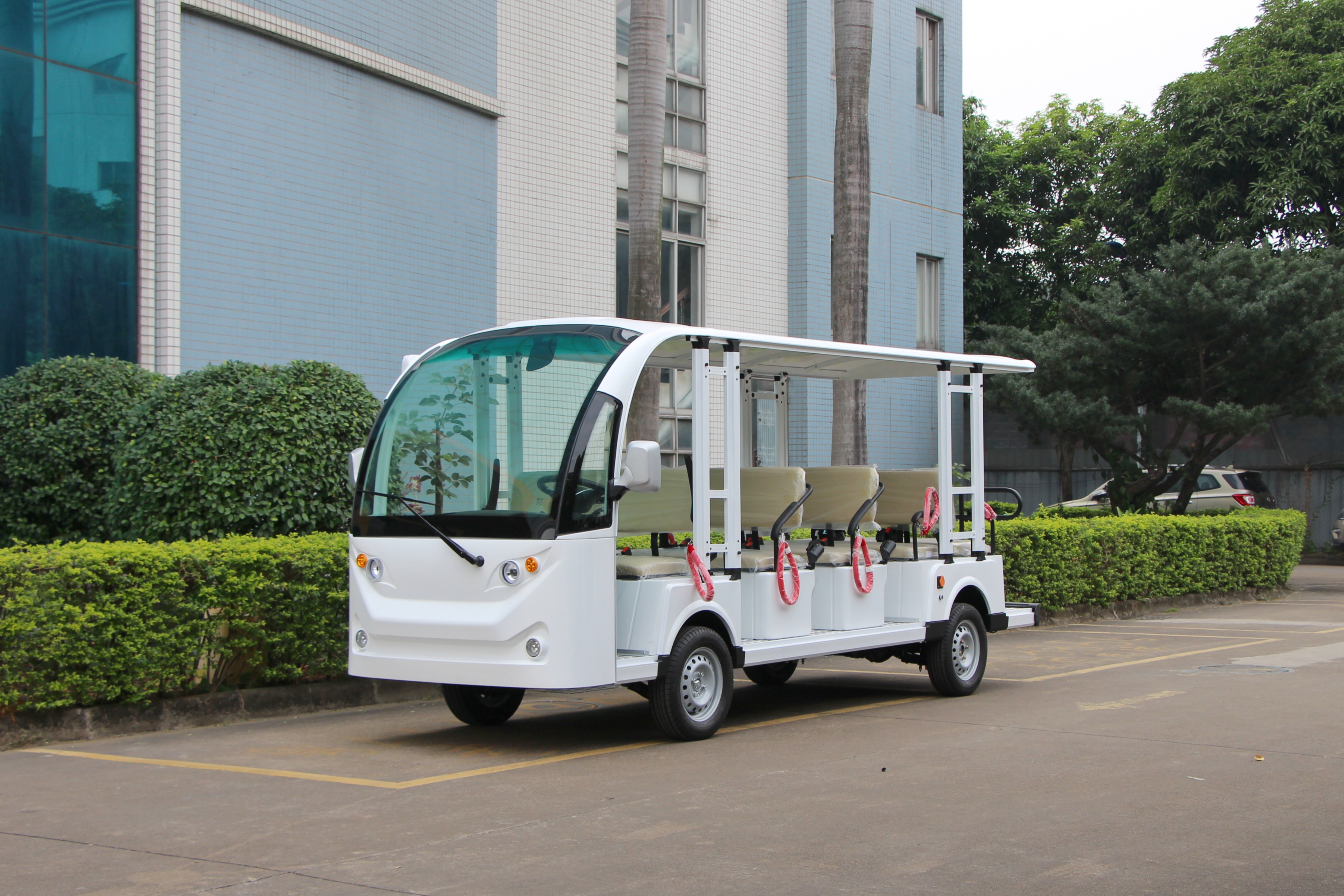
Pricing for commercial passenger transportation vehicles, such as the 14seats open sightseeing bus (LQY148A / D11A+3), is directly tied to supply chain dynamics across automotive steel, composite polymers, and electronic steering sub-systems. High-strength anti-rust steel forms the foundational structural frame, shielding the vehicle from atmospheric corrosion while preserving physical integrity under heavy passenger loads. Fluctuations in structural steel pricing ripple into overall chassis costs, making anti-rust treatment efficiency essential for overall price stability.
The bodywork employs a PT+PBT alloy injection-molded front cover. This engineering polymer provides high impact resistance compared to standard glass-fiber bodies, decreasing damage rates during transit and daily operation. Combined with auto-grade electric power-assisted steering and sensitive braking mechanisms, component standardization allows manufacturers such as Guangzhou Langqing Electric Car CO., LTD. to control procurement costs even during global resin and microchip shortages.
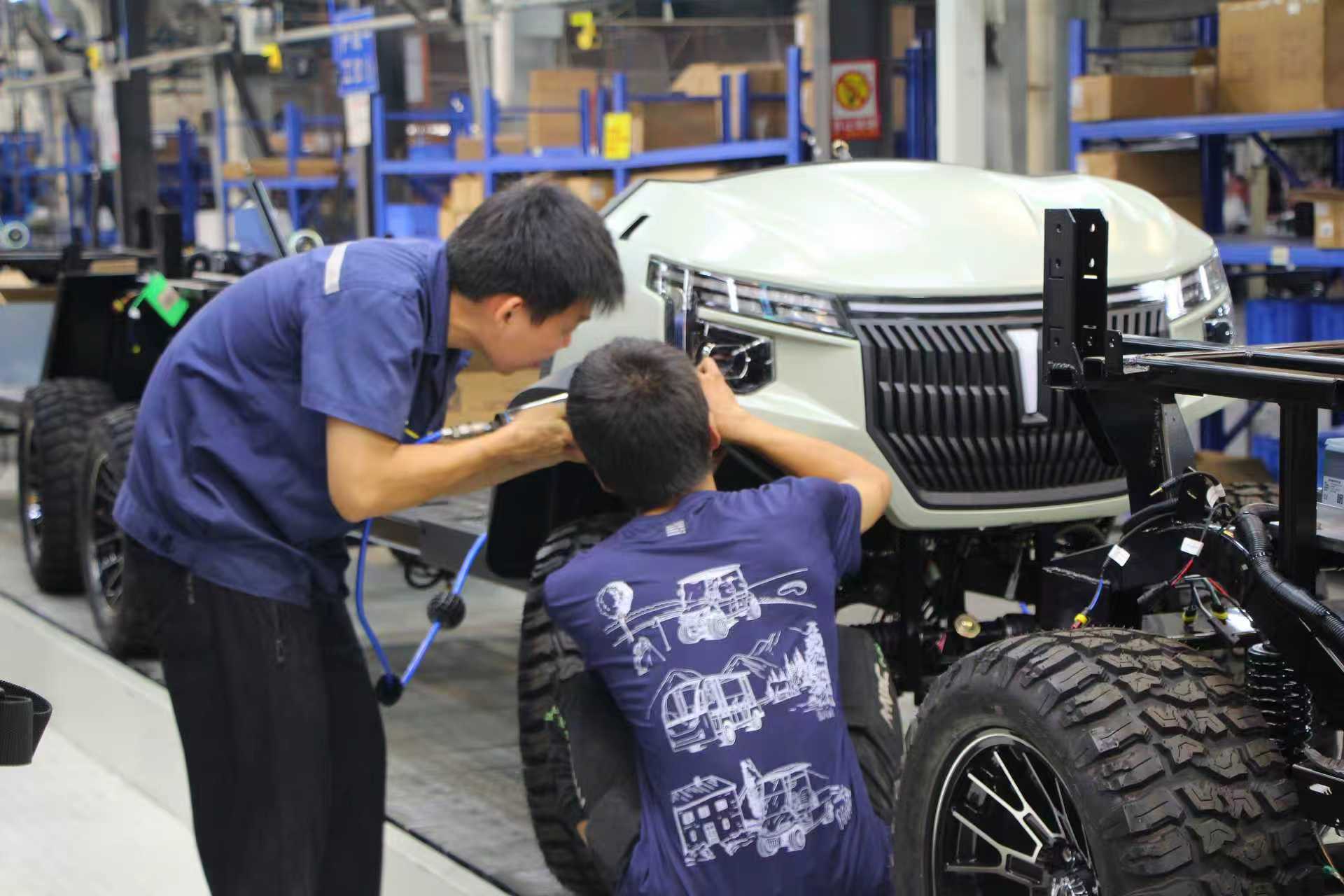
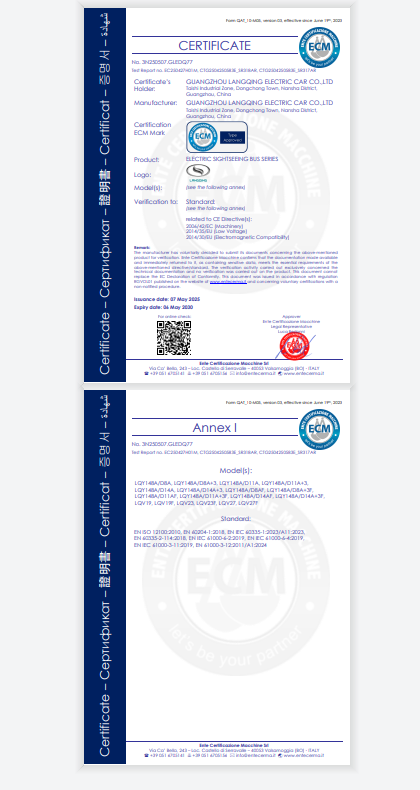
Operational deployment data demonstrates how manufacturing resilience mitigates supply bottlenecks. In major international transit orders, including a project supplying over 3,500 shuttle units in Cuba and 131 cultural tourism vehicles for a museum in Egypt, centralized component assembly reduced delivery turnarounds to 15-20 days. Maintaining systematic quality testing—comprising complete line inspections and dynamic road testing—ensures that compliance criteria under EU CE standards (Certificates 3N250506.GLEDQ43, 3N250507.GLEDQ77, and 3N250507.GLEDQ78) are reliably met before shipment.
Data/Solution Comparison
The following table details key vehicle specifications, supply parameters, and operational safeguards affecting pricing and buyer procurement decisions for 14seats passenger buses:
| Specification / Parameter | 14seats Bus (LQY148A / D11A+3) | Supply Chain & Pricing Impact |
|---|---|---|
| Chassis Construction | High-strength anti-rust steel frame | High durability; protects against corrosion, extending vehicle service life. |
| Front & Rear Suspension | Front MacPherson independent / Rear leaf-spring | Standardized suspension components simplify replacement availability and maintenance costs. |
| Body Cover Material | PT + PBT alloy injection molding | Superior impact resistance reduces body panel failure rates during transport. |
| Steering & Braking | Electric power-assisted steering & sensitive brakes | Auto-grade control systems improve handling accuracy across varied terrain. |
| Delivery Lead Time & MOQ | 15-20 days lead time / MOQ: 1 unit | Flexible order volumes lower capital entry barriers for commercial fleet buyers. |
| Quality Testing Protocol | 100% inspection line & road testing | Eliminates post-delivery defects, lowering total ownership and warranty cost overhead. |
Frequently Asked Questions (FAQ)
Q1: How do material changes in bodywork panels impact 14seats bus pricing?
Transitioning from traditional materials to PT+PBT alloy injection molding optimizes long-term pricing. While tooling costs for injection molding require higher initial infrastructure, unit material costs drop at scale, yielding a durable, impact-resistant body cover that lowers shipping and maintenance expenses.
Q2: What lead times and shipping terms apply to international 14seats bus orders?
Standard delivery times range from 15 to 20 days with a minimum order quantity (MOQ) of 1 unit. Global dispatch is typically managed via sea freight, utilizing standard payment terms of 30% deposit and remaining balance paid before vessel loading.
Q3: How do safety and quality certifications influence overall procurement value?
Vehicles tested under ISO9001, ISO14001, ISO45001, and EU CE standards meet rigorous international safety guidelines. Every unit undergoes complete line testing and road validation, reducing localized compliance risks and insurance premiums across North America, Europe, the Middle East, and Asia-Pacific markets.
Final Conclusion & Recommendations
Supply chain shifts influence 14seats bus costs through raw material price variations and transit logistics. Buyers can mitigate these impacts by procuring standardized passenger transport platforms built with anti-rust steel frames, modular MacPherson suspensions, and PT+PBT alloy body structures. Choosing suppliers with integrated trade and manufacturing frameworks, single-unit minimum order volumes, complete vehicle warranties, and 100% road-tested output delivers predictable operational budgets across scenic resorts, municipal facilities, and airport transit hubs. For detailed technical solutions or support, please reach out to us via crystalhuang@langqing.cn.
About Us
Guangzhou Langqing Electric Car CO., LTD. was established in 2000 in Nansha, Guangzhou. Operating from a 35,000-square-meter industrial park with 160 employees and a 30-member research and development team, the enterprise maintains an annual production output capable of delivering 1,000 units per month. Certified under ISO9001, ISO14001, ISO10012, ISO45001, and EU CE standards, the company exports 80% of its electric golf carts, sightseeing buses, and utility trucks to over 60 countries across North America, Europe, the Middle East, and Southeast Asia, serving commercial and municipal clients worldwide.
Lastest
-
How are replacement spare parts provided for a 17seats bus?
2026-08-13 -
What is the typical deposit percentage for a 23seats bus order?
2026-08-13 -
What recyclable components are used in modern golf carts?
2026-08-13 -
What is the warranty policy for air conditioning on 23seats bus?
2026-08-13 -
What battery specs should I check when buying electric golf carts?
2026-08-13
SUBSCRIBE
INQUIRY