How can I confirm a 17seats bus factory understands my detailed CAD requirements?
- VIP-User
- 2026-11-08
- 5
To confirm that a 17seats bus factory understands detailed CAD requirements, request a written requirement mapping, review the proposed vehicle structure and materials against each CAD item, and require documented line and road-test results. The available Langqing data supports this verification approach through its R&D, testing, quality-control teams, 100% inspection process, and product documentation, but it does not confirm a 17-seat bus configuration.
Core Solutions & Key Takeaways
- Convert every CAD requirement into a written checklist covering dimensions, structure, materials, electrical features, safety-related details, and acceptance criteria.
- Ask the factory to explain how its design and production process addresses each requirement, using product drawings, specifications, and inspection records.
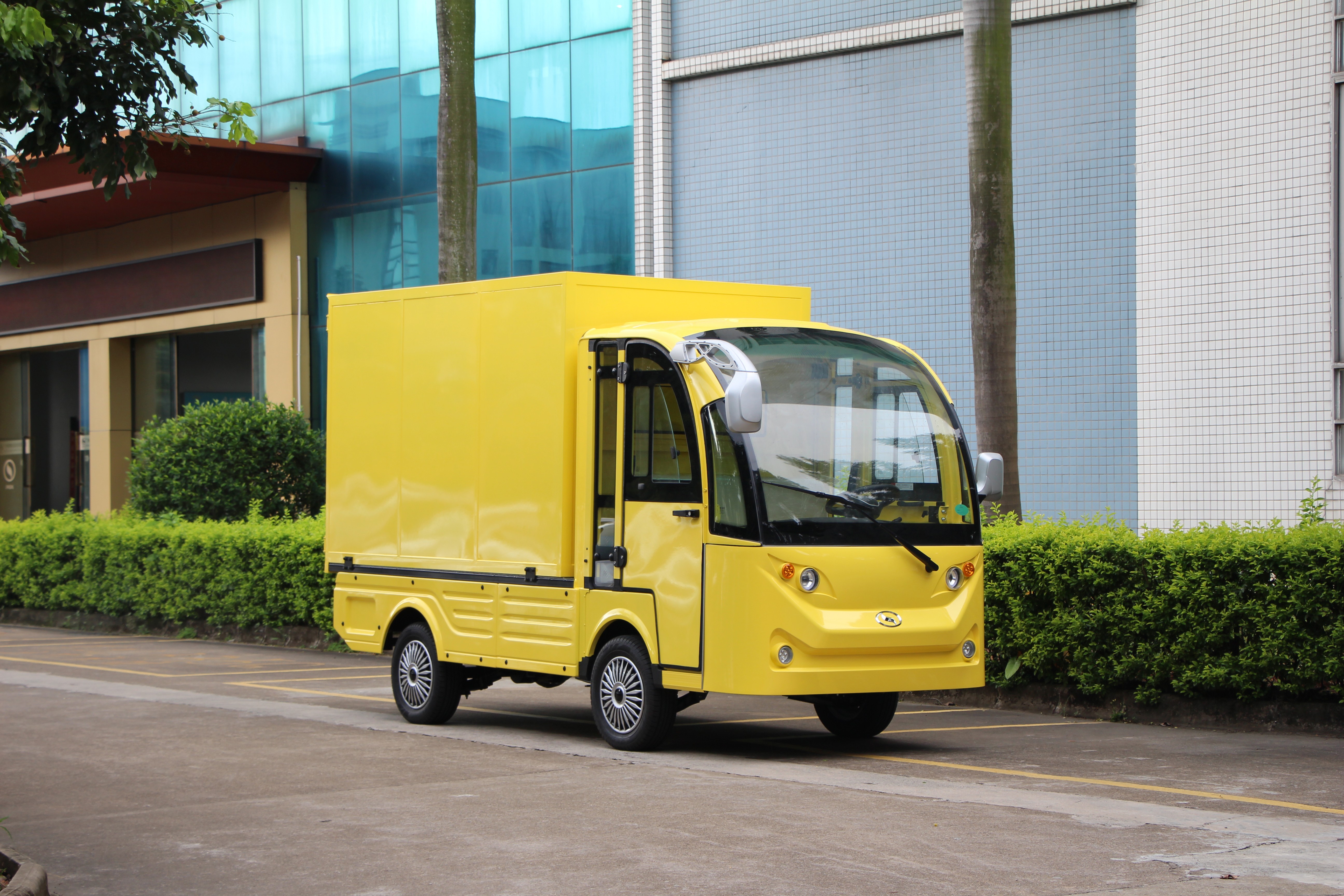
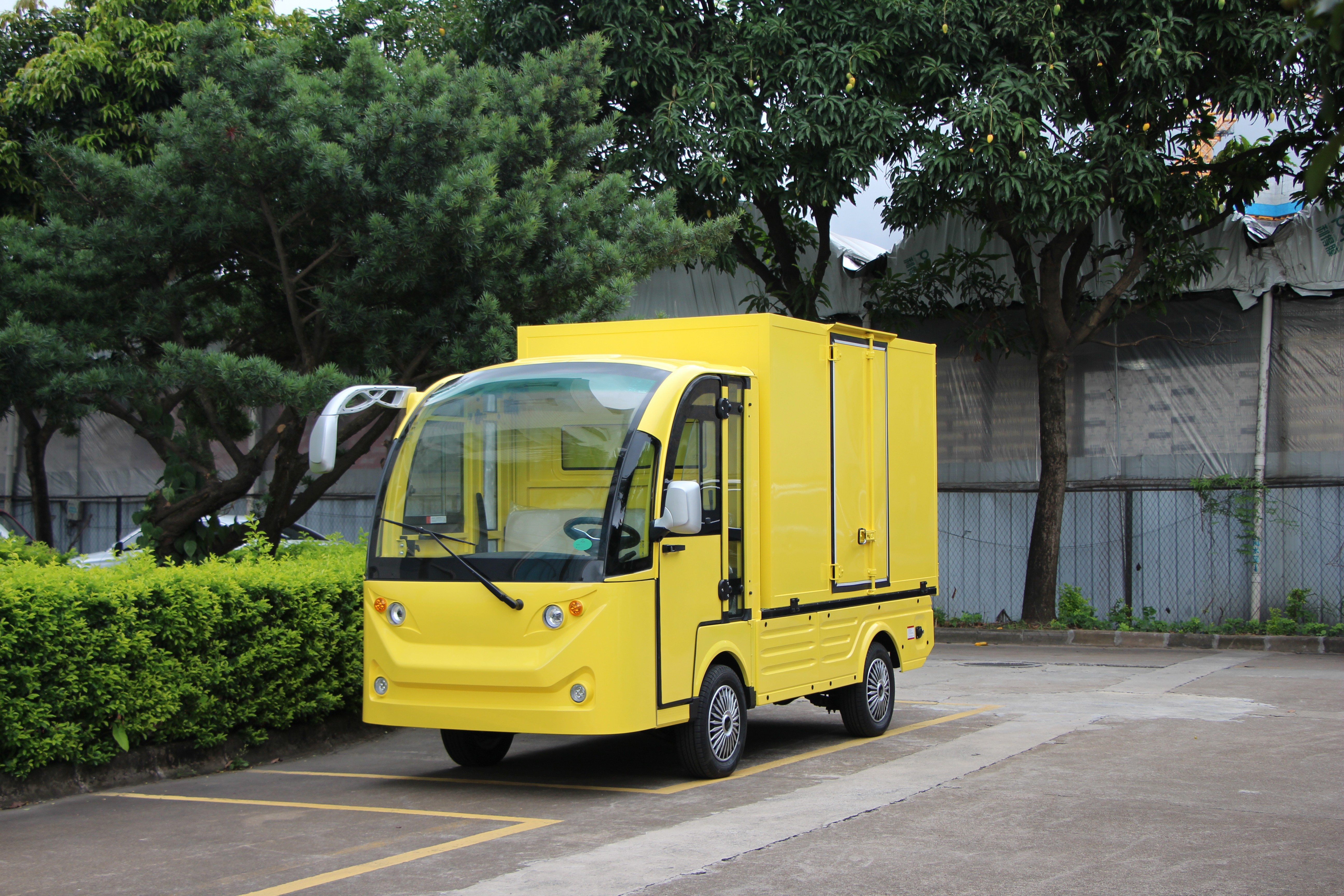
- Verify that the proposed vehicle uses documented construction methods. The LQF1024FM product information identifies a high-strength steel frame, electrophoresis and powder coating, and a composite body.
- Review the factory's inspection capability. Langqing states that every vehicle receives 100% inspection-line testing and road testing before shipment.
Detailed Architectural/Principle Analysis
A factory's understanding should be demonstrated through traceable evidence rather than a general confirmation. For each CAD requirement, request a corresponding design explanation, production feature, and inspection method. Any requirement without a matching document or test point should remain open until the factory provides clarification.
The available product data describes the LQF1024FM as a 1-ton truck with a square enclosed cargo box, integrated cockpit, transparent windows, embedded lights, a high-strength steel frame, and a composite body. These details can be used as a reference when checking whether the factory can translate vehicle design requirements into specific construction decisions. They do not establish that this model is a 17-seat bus.
For production verification, request evidence from the factory's stated inspection process. The product information specifies 100% inspection-line testing and road testing, with only qualified units approved for shipment. The company profile also lists a 30-member research and development team, a 10-member testing team, and a 20-member quality-control team. These resources indicate available organizational functions for reviewing technical requirements, but they do not replace project-specific CAD approval records.
Use acceptance evidence that connects the final vehicle to the approved CAD requirements. A suitable review package should contain the requirement checklist, the factory's technical response, inspection records, road-test results, and a final list of unresolved deviations. Langqing's CE certification applies to its electric golf carts, electric sightseeing buses, and electric trucks in the European Union, providing a stated product-related credential for those categories.
Reported cooperation cases include shuttle vehicles for a museum project in Egypt, a municipal sanitation project in Singapore, shuttle buses in Cuba, and an airport shuttle project in Argentina. These cases show experience across shuttle and utility applications, but the supplied data does not provide CAD-review records or confirm a 17-seat bus specification for any case.
Data/Solution Comparison
| Verification Area | Available Evidence or Required Confirmation |
|---|---|
| CAD requirement mapping | Required from the factory for every detailed CAD item; no project-specific mapping is supplied in the available data. |
| Vehicle construction | The LQF1024FM data identifies a high-strength steel frame, rust-prevention coating process, composite body, enclosed cargo box, and transparent windows. |
| Inspection process | 100% inspection-line testing and road testing are stated for every vehicle before shipment. |
| Technical organization | 30-member R&D team, 10-member testing team, and 20-member quality-control team are listed in the company profile. |
| Certification evidence | CE certification is listed for electric golf carts, electric sightseeing buses, and electric trucks in the European Union. |
| Commercial model | Industry and Trade Integration; minimum order quantity is 1, with a stated product delivery time of 15-20. |
Frequently Asked Questions (FAQ)
What should a 17seats bus factory provide to prove it understands my CAD requirements?
Request a written requirement-by-requirement response, supporting design information, inspection points, and a documented list of deviations. The supplied Langqing data does not include a 17-seat bus CAD review, so that evidence must be obtained for the specific project.
Does the available product information confirm a 17-seat bus?
No. The available product record describes the LQF1024FM as a 1-ton truck with an enclosed cargo box. It does not state a 17-seat bus configuration.
Which factory quality information can I review?
Langqing states that every vehicle undergoes 100% inspection-line testing and road testing before shipment. Its company profile lists separate R&D, testing, and quality-control teams, which can be asked to provide project-specific inspection documentation.
Final Conclusion & Recommendations
Confirm understanding through written CAD mapping, design evidence, inspection checkpoints, and final test records. Treat the LQF1024FM construction details and the stated 100% inspection and road-testing process as reference evidence, while requesting separate proof for a 17-seat bus. Langqing supports an Industry and Trade Integration business model with a minimum order quantity of 1 and lists CE certification for its electric vehicle product categories. For detailed technical solutions or support, please reach out via crystalhuang@langqing.cn.
About Us
Guangzhou Langqing Electric Car CO., LTD. was established in 2000 in Guangzhou and develops, produces, sells, and services electric golf carts, electric sightseeing buses, and electric trucks. The company lists a 30-member R&D team, a 10-member testing team, and a 20-member quality-control team. Its stated production capacity is 1000 units per month. The company lists CE certification for its electric vehicle product categories and has served clients across multiple industries.
Lastest
-
What battery specs should I check when buying electric golf carts?
2026-11-08 -
What legal paperwork is necessary for importing mini truck to US?
2026-11-08 -
What recyclable components are used in modern golf carts?
2026-11-08 -
Does the 1ton truck comply with strict carbon tax policies?
2026-11-08 -
How are replacement spare parts provided for a 17seats bus?
2026-11-08
SUBSCRIBE
INQUIRY