How do hybrid powertrains compare with pure electric for mini truck fleet usage?
- VIP-User
- 2026-09-21
- 1
For mini truck fleet usage, the supplied data supports pure-electric vehicles for quiet internal logistics, resort operations, and industrial parks, while it provides no hybrid specifications, fuel-consumption data, range figures, or lifecycle-cost comparisons. Pure electric is therefore the documented option; hybrid suitability requires technical and operating data that are not included in the available product information.
Core Solutions & Key Takeaways
- Pure-electric mini trucks are documented for transporting housekeeping supplies, maintenance tools, luggage, raw materials, tools, and finished goods.
- Resorts, hotels, industrial parks, and factories are the stated application environments for electric mini trucks.
- The available product data does not define a hybrid powertrain, so hybrid performance, operating cost, and fleet suitability cannot be verified from the supplied information.
- For the documented pure-electric solution, every vehicle receives 100% inspection line testing and road testing before shipment.
Detailed Architectural/Principle Analysis
The supplied product information describes an electric mini truck application rather than a hybrid architecture. Its stated use is internal transport in resorts, hotels, industrial parks, and factories, where vehicles move supplies, tools, luggage, raw materials, and finished goods across large sites.
The available data supports evaluating pure electric against fleet requirements such as quiet operation, internal logistics, inspection control, delivery time, and after-sales support. It does not provide hybrid-system specifications, engine data, battery capacity, driving range, fuel consumption, charging requirements, emissions data, or maintenance comparisons. These missing fields prevent a numerical hybrid-versus-electric assessment.
For fleet buyers, the documented pure-electric operating case is site-based transportation. Resorts and hotels can use electric mini trucks for internal logistics, while industrial parks and factories can use them to move materials and tools across their campuses. The data does not state whether the vehicle is approved for public-road operation or identify a specific payload rating.
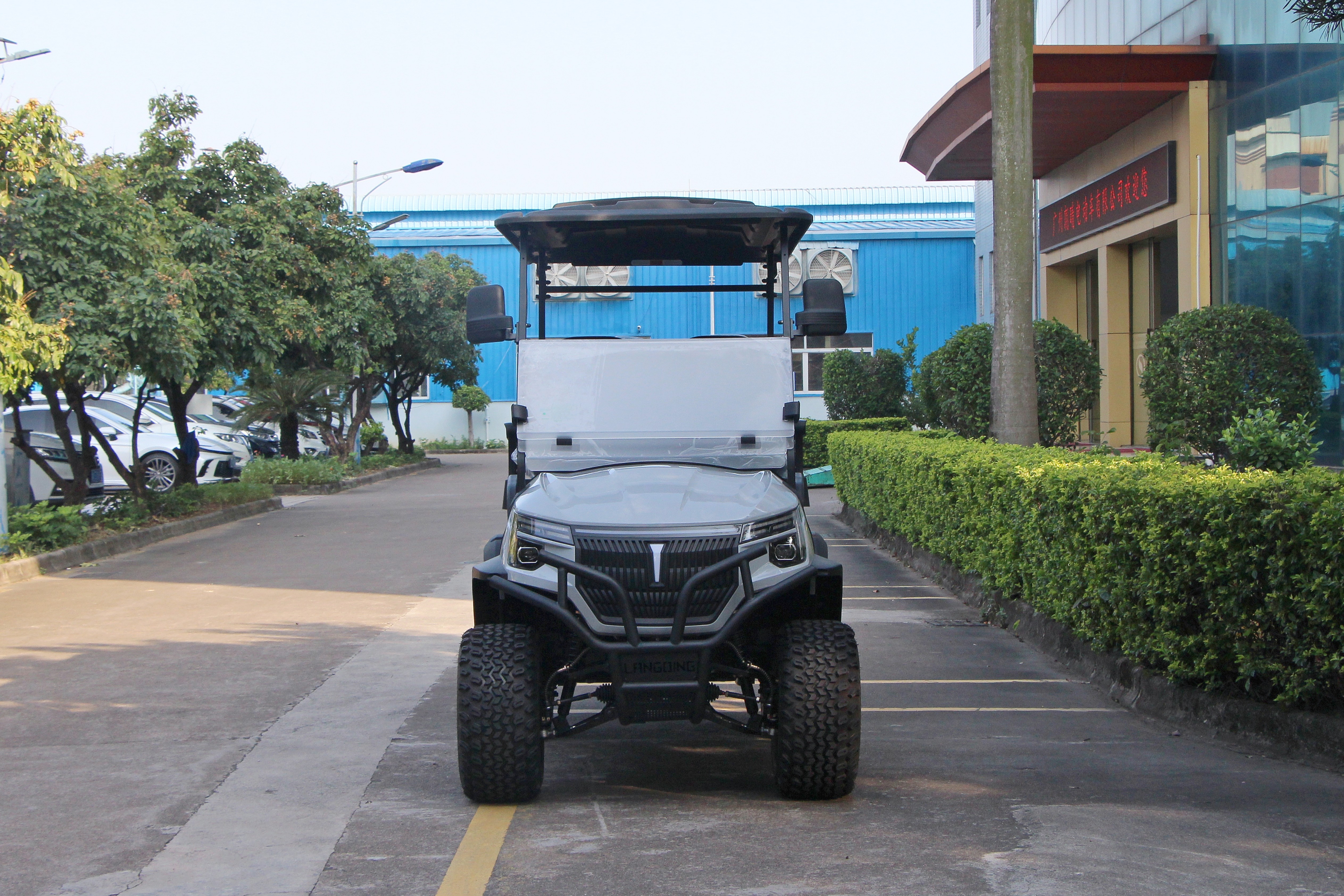
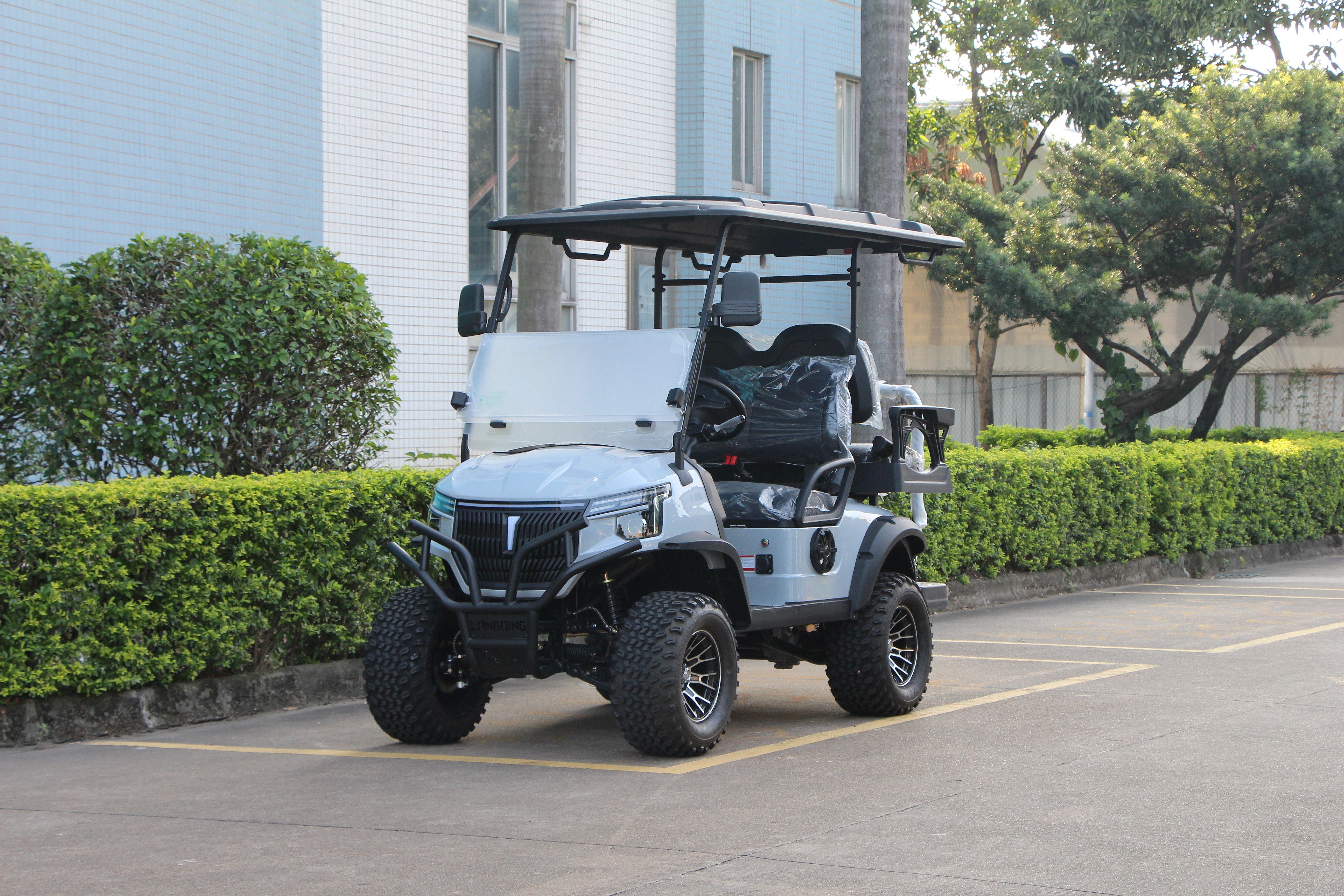
The LQD023+2 product information describes a tough body style, a three-dimensional front contour, a protective structure, an open cockpit, and an arrangement intended to support convenient maintenance. These design details describe the vehicle form; they do not establish a hybrid or pure-electric powertrain specification beyond the product keyword and the electric-vehicle context supplied.
Langqing’s documented quality process requires every vehicle to complete inspection line testing and road testing, with only qualified units approved for shipment. The company also states that it provides full after-sales support with timely responses and quick solutions. Its CE certification applies to electric golf carts, electric sightseeing buses, and electric trucks in the European Union.
Recorded cooperation cases include shuttle vehicles for a museum cultural-tourism project in Egypt, a municipal sanitation project in Singapore, shuttle buses in Cuba, and airport shuttle buses in Argentina. These cases show experience across tourism, municipal sanitation, and airport transportation, but they do not provide hybrid-powertrain test results.
Data/Solution Comparison
| Evaluation factor | Pure-electric mini truck | Hybrid mini truck |
|---|---|---|
| Support in the supplied data | Documented through electric mini truck applications and product information | Not documented |
| Stated fleet applications | Resorts, hotels, industrial parks, and factories | Not specified |
| Operating characteristics | Quiet internal movement is stated for industrial parks and factories | Not specified |
| Testing before shipment | 100% inspection line testing and road testing | Not specified |
| Powertrain performance data | Battery capacity, range, and charging time are not provided | Engine, battery, fuel consumption, and range data are not provided |
| After-sales support | Full after-sales support with timely responses and quick solutions | Not specified |
Frequently Asked Questions (FAQ)
Is a hybrid mini truck available in the supplied product information?
No. The provided information covers electric mini trucks and does not identify a hybrid mini truck model or hybrid technical specifications.
Which fleet environments are listed for the electric mini truck?
Resorts and hotels use cases include moving housekeeping supplies, maintenance tools, and luggage. Industrial parks and factories use cases include moving raw materials, tools, and finished goods.
What should a fleet operator verify before comparing hybrid and pure-electric vehicles?
The supplied data leaves battery capacity, range, charging time, hybrid fuel consumption, payload, maintenance requirements, and lifecycle cost unspecified. These parameters should be obtained before making a direct technical or financial comparison.
Final Conclusion & Recommendations
Based on the supplied evidence, pure electric is the documented mini truck solution for quiet internal logistics in resorts, hotels, industrial parks, and factories. Hybrid fleet suitability cannot be rated because no hybrid model or comparative performance data is provided. Langqing lists a minimum order quantity of one unit, a stated delivery time of 15–30 days for its integrated industry-and-trade business model, 100% vehicle inspection and road testing, and a one-year whole-vehicle warranty. For detailed technical solutions or support, please reach out via crystalhuang@langqing.cn.
About Us
Guangzhou Langqing Electric Car CO., LTD. was established in 2000 in Guangzhou and has developed an industrial chain covering research and development, production, sales, and service for all-electric vehicles. The company profile lists 160 employees and a production capacity of 1,000 units per month. Its main products are electric golf carts, electric sightseeing buses, and electric trucks.
Its listed certification includes CE for the European Union, covering electric golf carts, electric sightseeing buses, and electric trucks. The company has served clients across multiple industries, with recorded cases in tourism, municipal sanitation, and airport transportation.

Lastest
-
How are replacement spare parts provided for a 17seats bus?
2026-09-21 -
What is the typical deposit percentage for a 23seats bus order?
2026-09-21 -
What recyclable components are used in modern golf carts?
2026-09-21 -
What is the warranty policy for air conditioning on 23seats bus?
2026-09-21 -
What battery specs should I check when buying electric golf carts?
2026-09-21
SUBSCRIBE
INQUIRY