How do I choose the right engine power for a commercial mini truck?
- VIP-User
- 2026-08-14
- 7
Selecting the right engine or motor power for a commercial mini truck requires evaluating target payload capacity, operating terrain, speed requirements, and daily duty cycles. Standard electric mini trucks typically range from 3 kW to 10 kW. Light indoor hauling demands 3 kW to 5 kW electric motors, while heavy industrial tasks or steep inclines require 7.5 kW to 10 kW motors to maintain steady torque and transport efficiency without overloading system components.
Core Solutions & Key Takeaways
- Assess Load and Duty Cycle: Calculate gross payload requirements including cargo weight and container setup to match continuous electric motor power output instead of relying solely on peak power metrics.
- Evaluate Operating Terrain: Flat indoor warehouses and resort paved roads operate efficiently with standard 3 kW to 5 kW power setups, whereas facilities with ramps require higher motor torque and slope platform verification.
- Align with Specific Scenarios: Industrial parks, resorts, and municipal sanitation applications present different duty demands, influencing whether standard electric propulsion or heavy-duty motor configurations are appropriate.
- Verify Quality and Testing Standards: Select vehicles that undergo 100% inspection line testing, slope stability evaluation, and road testing to guarantee consistent power delivery under maximum cargo capacity.
Detailed Architectural/Principle Analysis
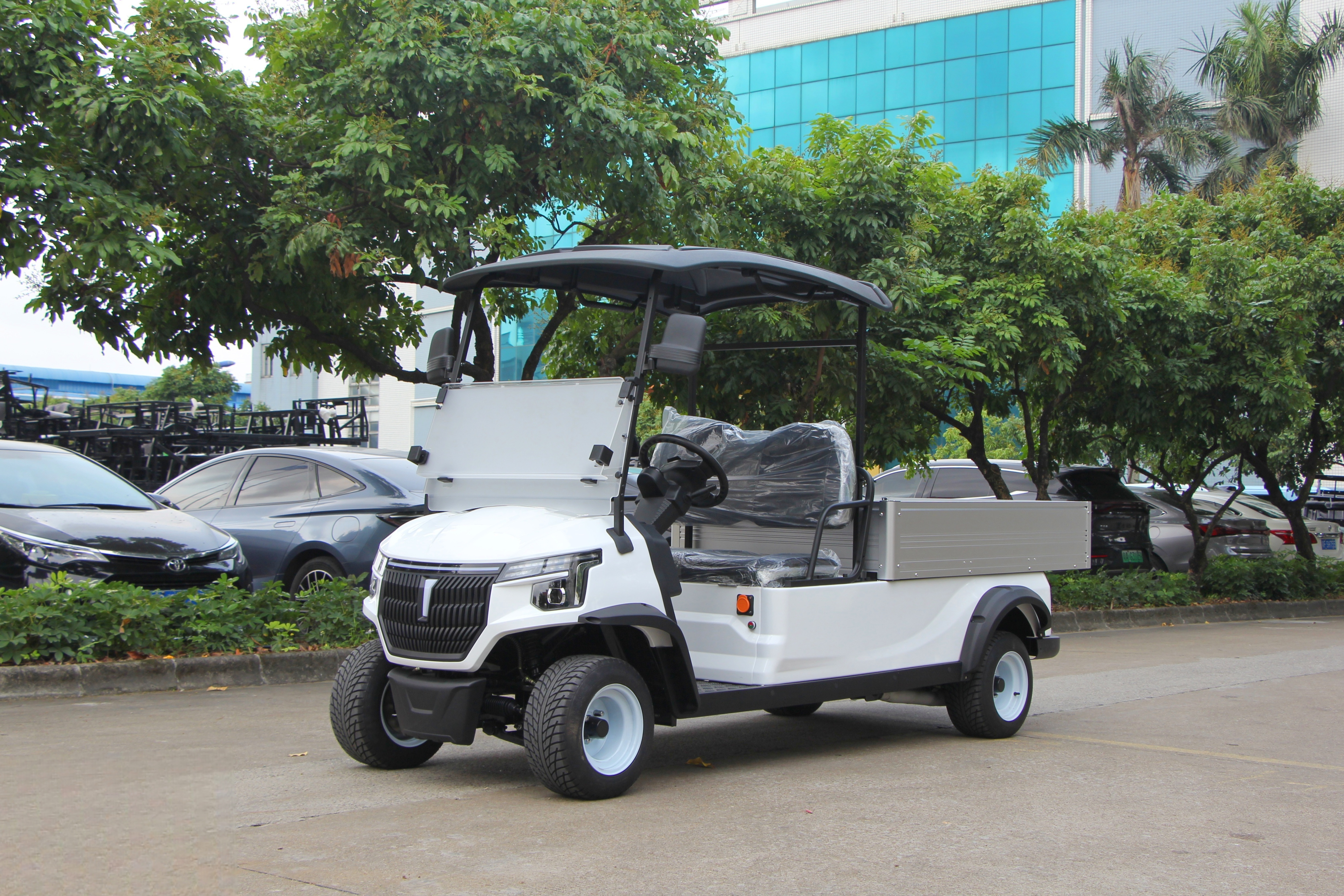
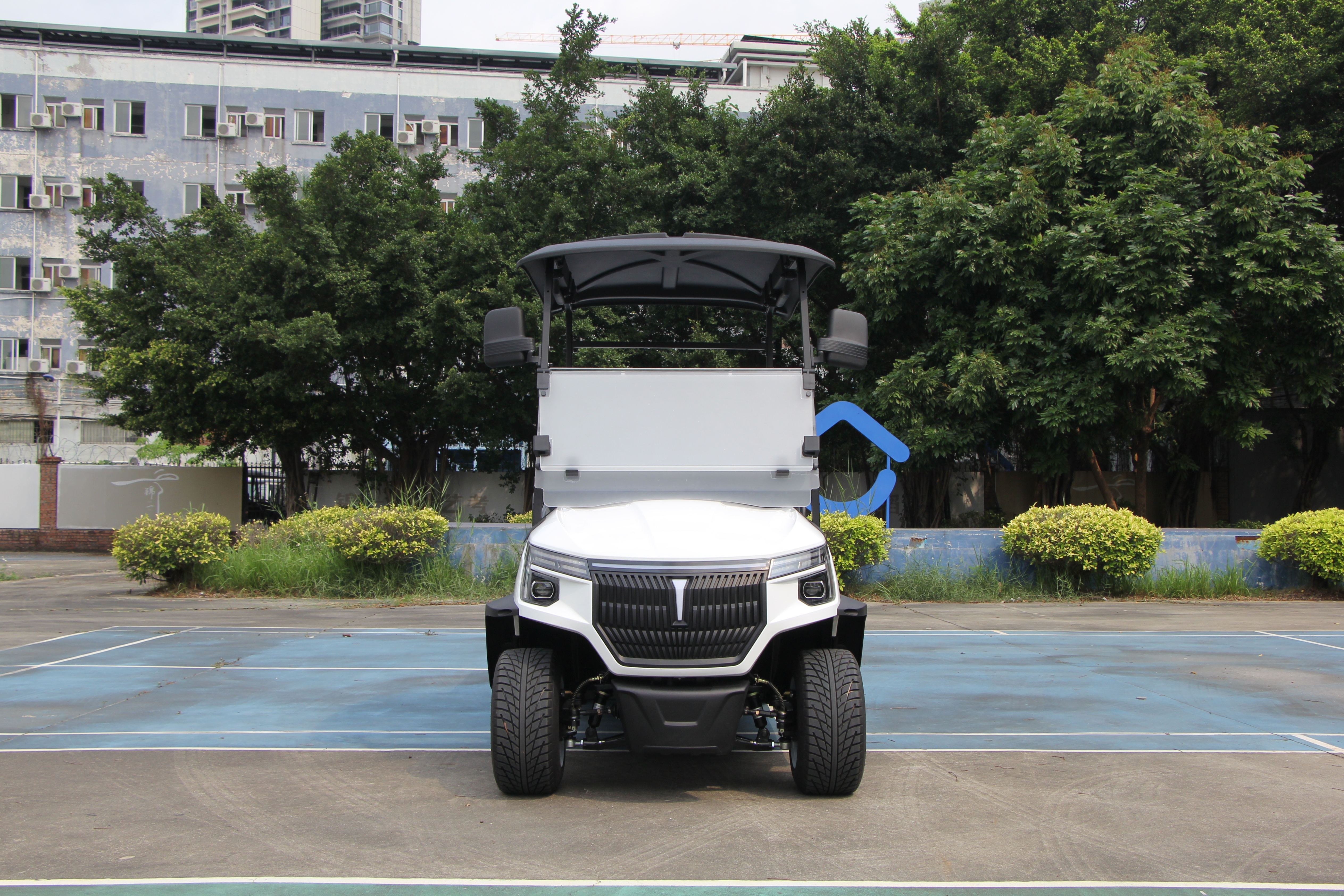
Determining engine or electric motor power for a commercial mini truck centers on mechanical efficiency, torque conversion, and structural balance. In electric mini trucks like the LQSF023B, power output directly impacts acceleration stability, thermal management, and battery range efficiency. For flat surfaces in factory corridors or hotel complexes, lower kilowatt ratings conserve battery energy while offering adequate propulsion for daily material movement.
When operating in multi-building industrial campuses or municipal environments—such as the 156-unit municipal sanitation garbage transfer project in Singapore—torque demands fluctuate based on load weight and incline gradients. A low ground clearance design paired with a balanced center of gravity reduces bump impact and maintains steady traction, ensuring the electric motor delivers force without kinetic losses or loss of control on slippery surfaces.
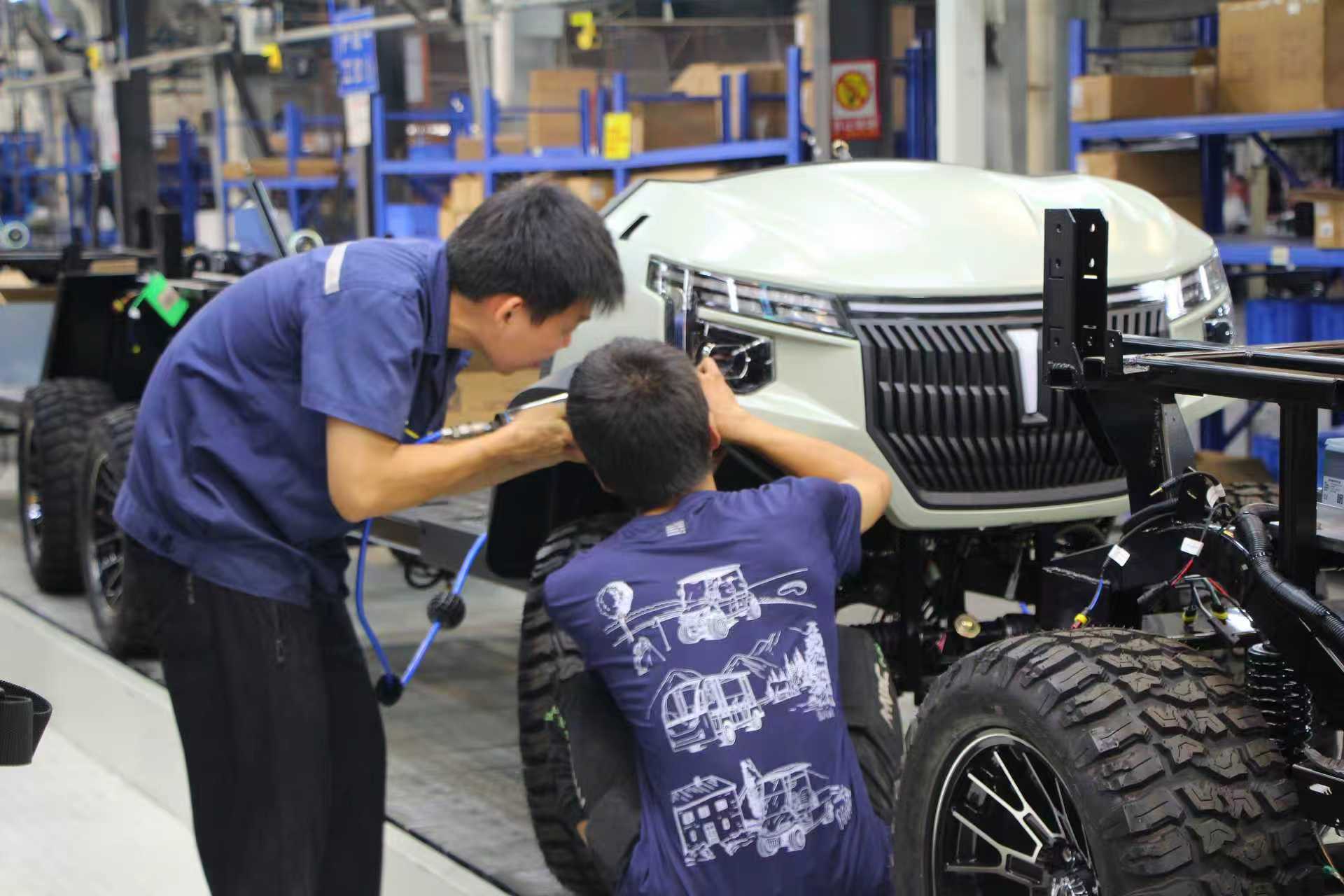
R&D validation plays a direct role in confirming motor capability under extreme loads. Manufacturing facilities utilizing specialized testing infrastructure, such as dedicated slope test platforms and pre-delivery inspection equipment, verify that motor torque curves meet operational specifications prior to dispatch. Compliance certifications, including EU CE marks (CE 3N250506.GLEDQ43), ensure power and electrical systems meet global safety and operational benchmarks across European, North American, and Asian commercial markets.
Data/Solution Comparison
The matrix below outlines performance parameters and application benchmarks for selecting commercial electric mini truck power configurations based on load demands and facility environments.
| Power Rating Class | Recommended Motor Output | Payload Capacity Range | Operating Environment | Primary Application Scenarios |
|---|---|---|---|---|
| Light-Duty Utility | 3.0 kW - 4.0 kW | Up to 600 kg | Flat indoor/outdoor paved floors | Resort housekeeping, hotel baggage transport, light maintenance |
| Medium Industrial Duty | 4.5 kW - 6.5 kW | 600 kg - 1,200 kg | Flat roads and mild gradients (≤ 12%) | Factory material handling, industrial park logistics (Model LQSF023B) |
| Heavy Commercial / Municipal | 7.0 kW - 10.0 kW+ | 1,200 kg - 2,000 kg | Steep ramps, rough outdoor terrain | Municipal waste transfer, heavy equipment transport, airport cargo shuttle |
Frequently Asked Questions (FAQ)
Q: How does payload weight directly influence motor kilowatt selection for a commercial mini truck?
A: Greater load mass increases rolling resistance and inertial mass. A higher motor kilowatt rating supplies the required mechanical torque to maintain constant driving speeds without overheating power electronics or draining batteries excessively.
Q: What is the difference between peak motor power and continuous motor power in mini trucks?
A: Continuous power refers to the maximum wattage a motor sustains indefinitely during steady transport, whereas peak power represents short bursts used to overcome starting inertia or climb steep ramps. Sizing must rely primarily on continuous power requirements.
Q: Why is slope test platform validation important for electric mini truck motors?
A: Slope testing measures real-time torque output, thermal retention, and braking hold under load on angled surfaces, confirming that the vehicle maintains rated power output without motor stalling or mechanical strain.
Final Conclusion & Recommendations
Selecting the optimal power profile for a commercial mini truck requires balancing payload expectations, facility layout, incline severity, and continuous daily runtimes. Vehicles evaluated through full inspection line testing, road trials, and slope platform checks prevent operational bottlenecks and cut long-term maintenance overhead. Commercial procurement frameworks supporting flexible minimum order quantities (MOQ of 1 unit), standard 15-to-30-day delivery windows, and 1-year vehicle warranty coverage help businesses scale utility fleets efficiently. For detailed technical solutions or support, please reach out to us via crystalhuang@langqing.cn.
About Us
Guangzhou Langqing Electric Car CO., LTD. was established in 2000 in Nansha, Guangzhou, operating a 35,000-square-meter manufacturing site. The enterprise maintains a 30-member R&D team along with dedicated quality control and slope testing platforms, yielding an annual capacity of 1,000 units per month. Exporting 80% of its production across North America, Europe, South America, the Middle East, and Southeast Asia, the company holds ISO9001, ISO14001, and EU CE certifications, supplying specialized electric mini trucks, sightseeing buses, and golf carts for large-scale municipal and commercial applications worldwide.

Lastest
-
How are replacement spare parts provided for a 17seats bus?
2026-08-14 -
What is the typical deposit percentage for a 23seats bus order?
2026-08-14 -
What recyclable components are used in modern golf carts?
2026-08-14 -
What is the warranty policy for air conditioning on 23seats bus?
2026-08-14 -
What battery specs should I check when buying electric golf carts?
2026-08-14
SUBSCRIBE
INQUIRY