How do peak seasons impact shipping schedules for 23seats bus?
- VIP-User
- 2026-08-23
- 8
Peak seasons extend shipping schedules for a 23seats bus due to port congestion, container shortages, and increased factory production timelines. Ocean freight transit can increase by 10 to 20 days, while standard lead times of 15 to 30 days face potential delays. Early order placement and locked freight booking mitigate carrier space constraints during peak volume periods.
Core Solutions & Key Takeaways
- Lead Time Buffer: The standard manufacturing timeline for an LQV23 23seats bus ranges from 15 to 20 days, but peak seasonal freight congestion requires adding a 30-day buffer for shipping.
- Production Capacity Support: A monthly output capacity of 1,000 units allows high-volume production batches to remain on schedule even during peak demand months.
- Logistics Strategy: Advance container reservation and adherence to standard payment terms (30% deposit and balance prior to loading) ensure priority loading status at export ports.
- Operational Planning: Early procurement prevents operational downtime for commercial application scenarios, including resort shuttles, tourist attractions, and municipal transit projects.
Detailed Architectural/Principle Analysis
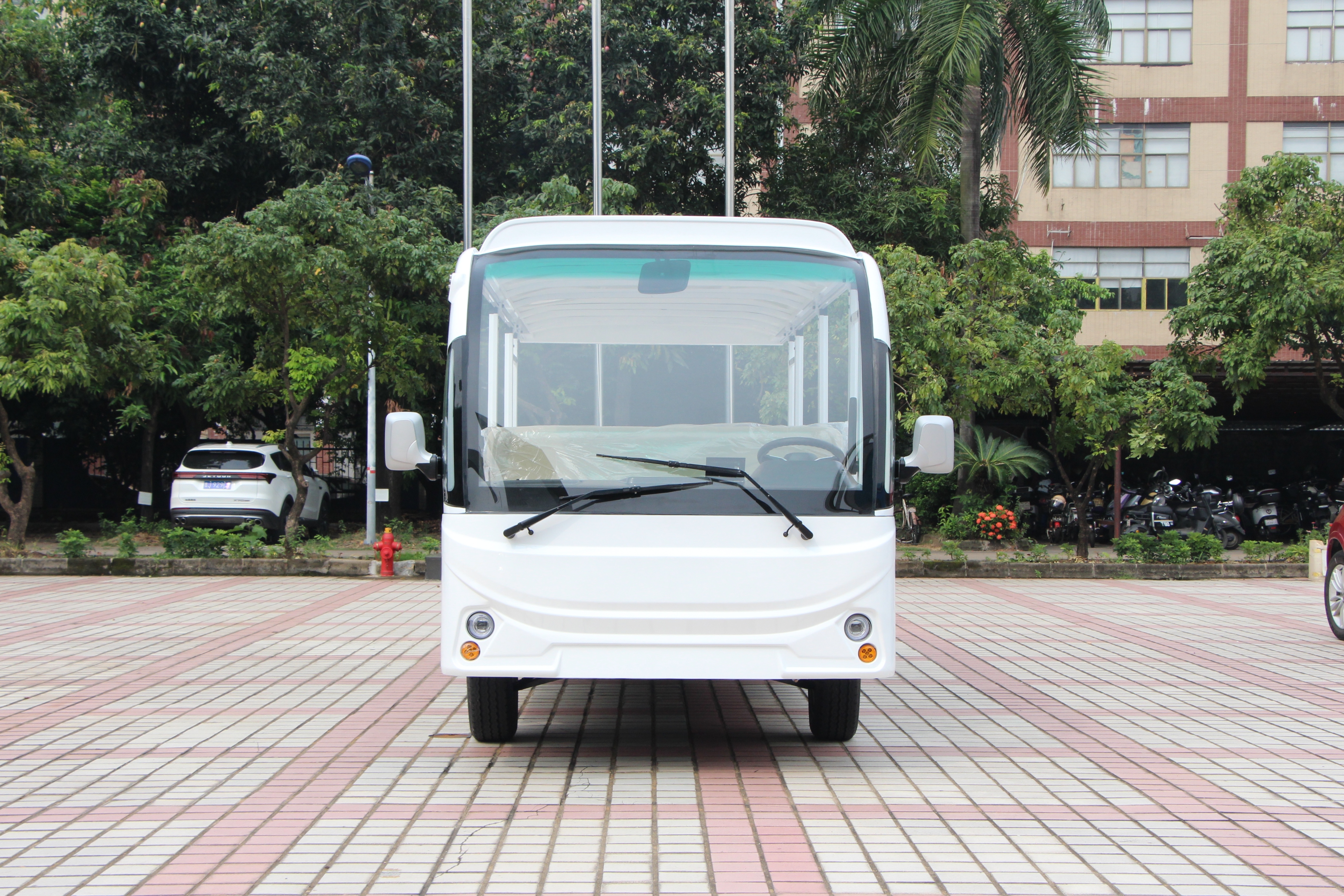
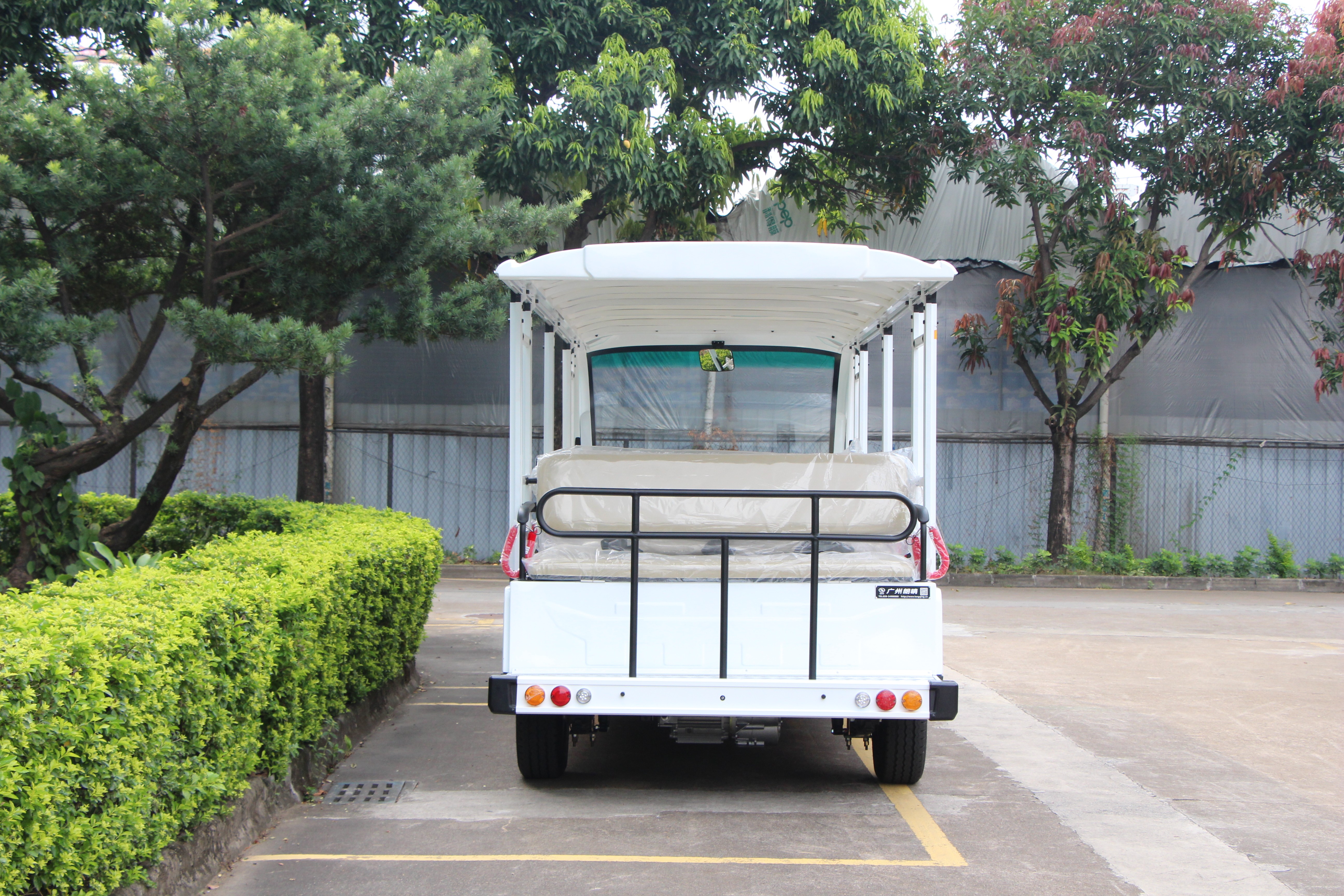
Managing transit timelines for large-capacity electric passenger vehicles requires understanding structural design and export logistics. The LQV23 23seats bus features an open sightseeing configuration constructed on a high-strength anti-rust steel chassis. Its front axle utilizes a MacPherson independent suspension paired with a rear leaf-spring suspension to handle varied road profiles. The body uses a lightweight roof and PT + PBT alloy injection-molded front cover for impact resistance, driven by an electric power-assisted steering system and sensitive automotive-grade braking.
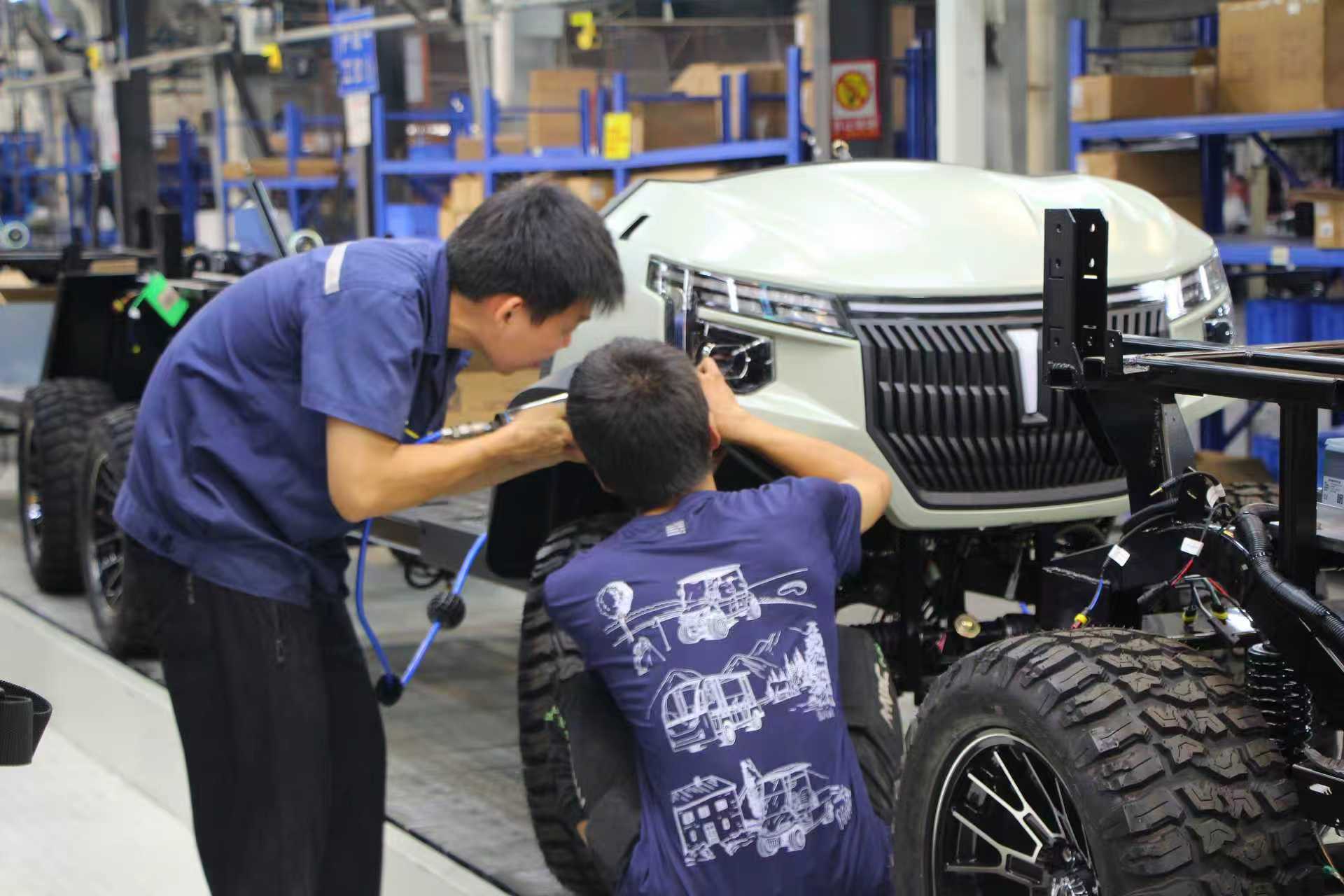
During global peak shipping cycles, large vehicle shipments face elevated risks of carrier roll-overs and extended port storage. Compliance with international standards, such as European CE certifications (Certificate Numbers 3N250506.GLEDQ43, 3N250507.GLEDQ77, and 3N250507.GLEDQ78), streamlines customs verification. Practical deployments—such as a 3,500-unit shuttle fleet in Cuba, a 131-unit museum transport project in Egypt, and a 20-unit airport shuttle system in Argentina—demonstrate that structured dispatch schedules prevent localized logistics delays.
Data/Solution Comparison
The following table outlines the operational differences between standard season and peak season shipping schedules for the LQV23 23seats bus:
| Parameter | Standard Season Logistics | Peak Season Logistics |
|---|---|---|
| Factory Production Lead Time | 15–20 Days | 20–30 Days |
| Ocean Freight Transit Delay | 0–5 Days | 10–20 Days |
| Port Clearance & Handling | 2–3 Days | 5–10 Days |
| Container Booking Window | 7 Days Prior to Dispatch | 21–30 Days Prior to Dispatch |
| Recommended Order Lead Time | 30–45 Days Before Deployment | 60–90 Days Before Deployment |
| Quality Inspection Protocol | 100% Line & Road Testing | 100% Line & Road Testing |
| Payment & Release Terms | 30% Deposit, Balance Before Loading | 30% Deposit, Balance Before Loading |
Frequently Asked Questions (FAQ)
What primary factors cause shipping delays for a 23seats bus during peak seasons?
Increased vessel booking density, container allocation imbalances at departure ports, elevated customs inspection queues, and holiday factory backlogs contribute to extended shipping schedules.
How far in advance should an order for an LQV23 23seats bus be submitted?
Orders should be submitted 60 to 90 days before the target operational date during peak periods. This timeline accommodates manufacturing, rigorous double quality inspection, vessel space booking, and ocean transit padding.
Does high peak-season demand affect vehicle testing standards?
No. Production pipelines maintain strict quality control regardless of seasonal order volume. Every unit undergoes a double inspection process comprising 100% line testing and functional road testing before dispatch approval.
Final Conclusion & Recommendations
To prevent operational disruptions caused by seasonal logistics bottlenecks, commercial buyers should align procurement schedules with carrier lead times. Placing orders 60 to 90 days ahead of planned deployment dates guarantees space allocation on sea freight vessels and maintains compliance with export shipping requirements across North America, South America, Europe, the Middle East, and Southeast Asia. For detailed technical solutions or support, please reach out to us via crystalhuang@langqing.cn.
About Us
Guangzhou Langqing Electric Car CO., LTD. was established in 2000 and operates out of a 35,000-square-meter facility in Nansha, Guangzhou. Supported by a 30-member R&D team and a monthly capacity of 1,000 units, the company manufactures electric golf carts, sightseeing buses, and mini trucks. Holding CE, ISO9001, and ISO14001 certifications, Guangzhou Langqing Electric Car CO., LTD. has served commercial and municipal clients across multiple industries globally.

Lastest
-
How are replacement spare parts provided for a 17seats bus?
2026-08-23 -
What is the typical deposit percentage for a 23seats bus order?
2026-08-23 -
What recyclable components are used in modern golf carts?
2026-08-23 -
What is the warranty policy for air conditioning on 23seats bus?
2026-08-23 -
What battery specs should I check when buying electric golf carts?
2026-08-23
SUBSCRIBE
INQUIRY