How do you handle dispute resolution for mini truck orders?
- VIP-User
- 2026-08-14
- 9
Dispute resolution for electric mini truck orders relies on pre-shipment quality verification, clear contractual warranty protocols, and structured technical support. Manufacturers address disputes through 100% pre-delivery line and road inspection records, clear contractual delivery timelines, a 1-year whole-vehicle warranty, and remote technical diagnostics to rapidly resolve operational, specification, or delivery claims.
Core Solutions & Key Takeaways
- Pre-Shipment Line and Road Testing: Completing 100% inspection line and road testing prior to container loading minimizes quality disputes before export.
- Contractual Warranty Coverage: A standard 1-year whole-vehicle warranty provides clear guidelines for replacing defective components and resolving functional issues.
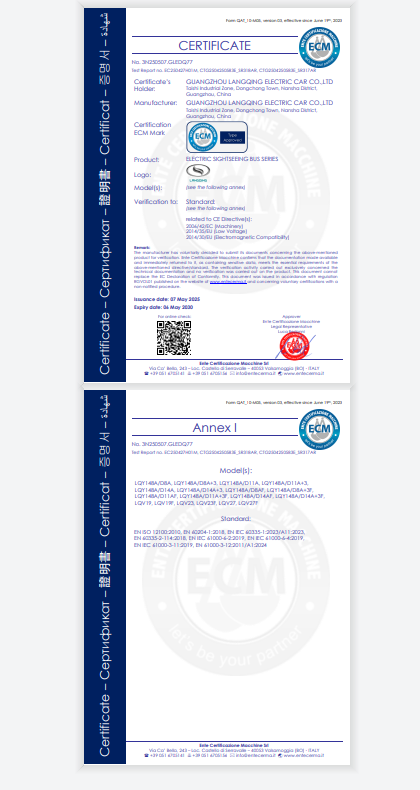
- Evidence-Based Dispute Verification: Claims regarding electric mini truck performance or specifications are evaluated against objective pre-delivery inspection records and international standards, such as EU CE certification.
- Application-Specific Protocols: Custom deployment requirements for internal logistics in resorts, hotels, and industrial parks are documented upfront to avoid operational misalignments.
Detailed Architectural/Principle Analysis
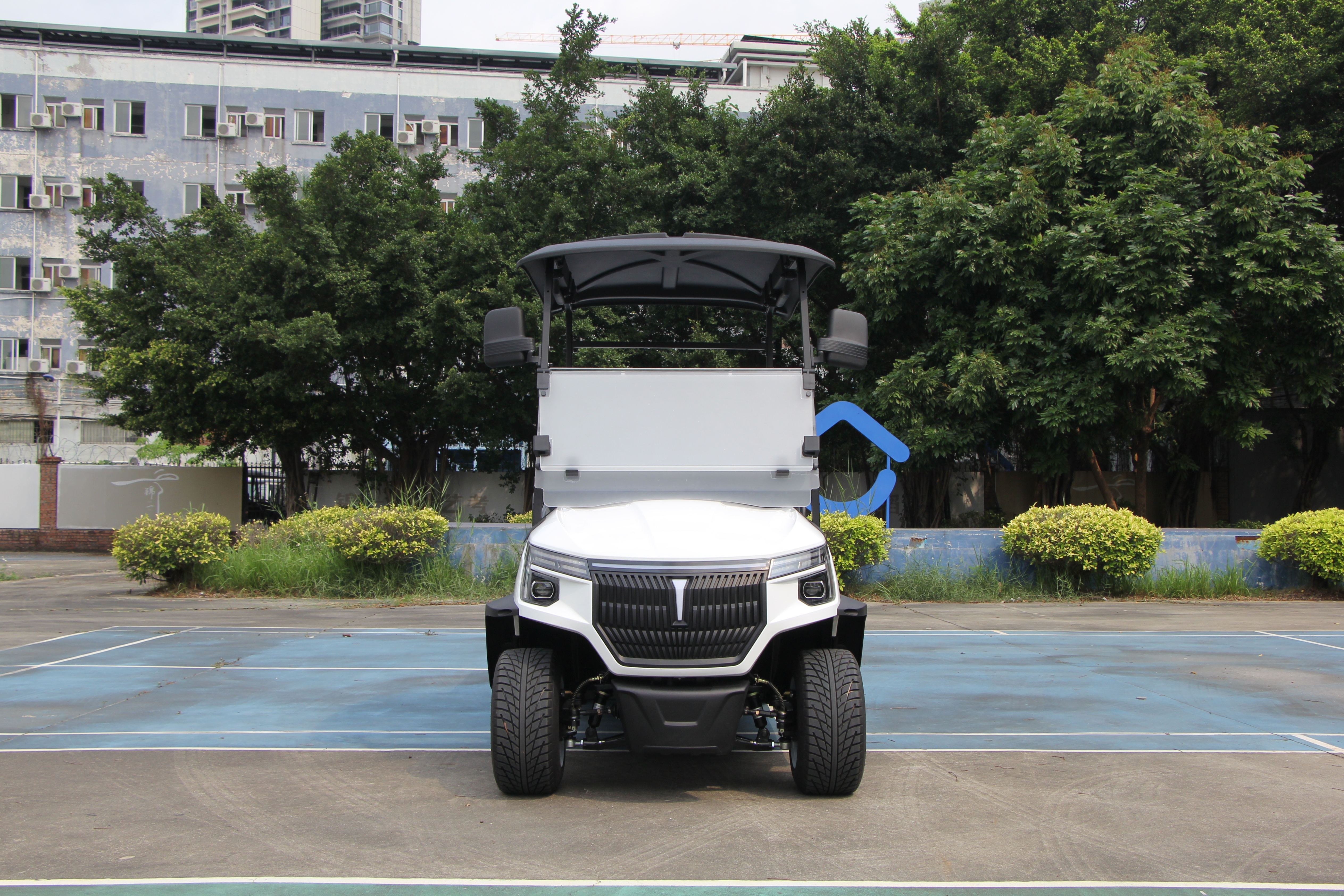
Resolving disputes for electric mini truck orders begins with rigorous prevention through integrated manufacturing and quality control. Vehicles such as the LQSF023B electric mini truck undergo dual inspection mechanisms combining advanced equipment testing and manual evaluation. Every unit undergoes 100% inspection line testing and road testing to verify stability, low ground clearance handling, and load-bearing performance on flat surfaces before authorization for shipment.
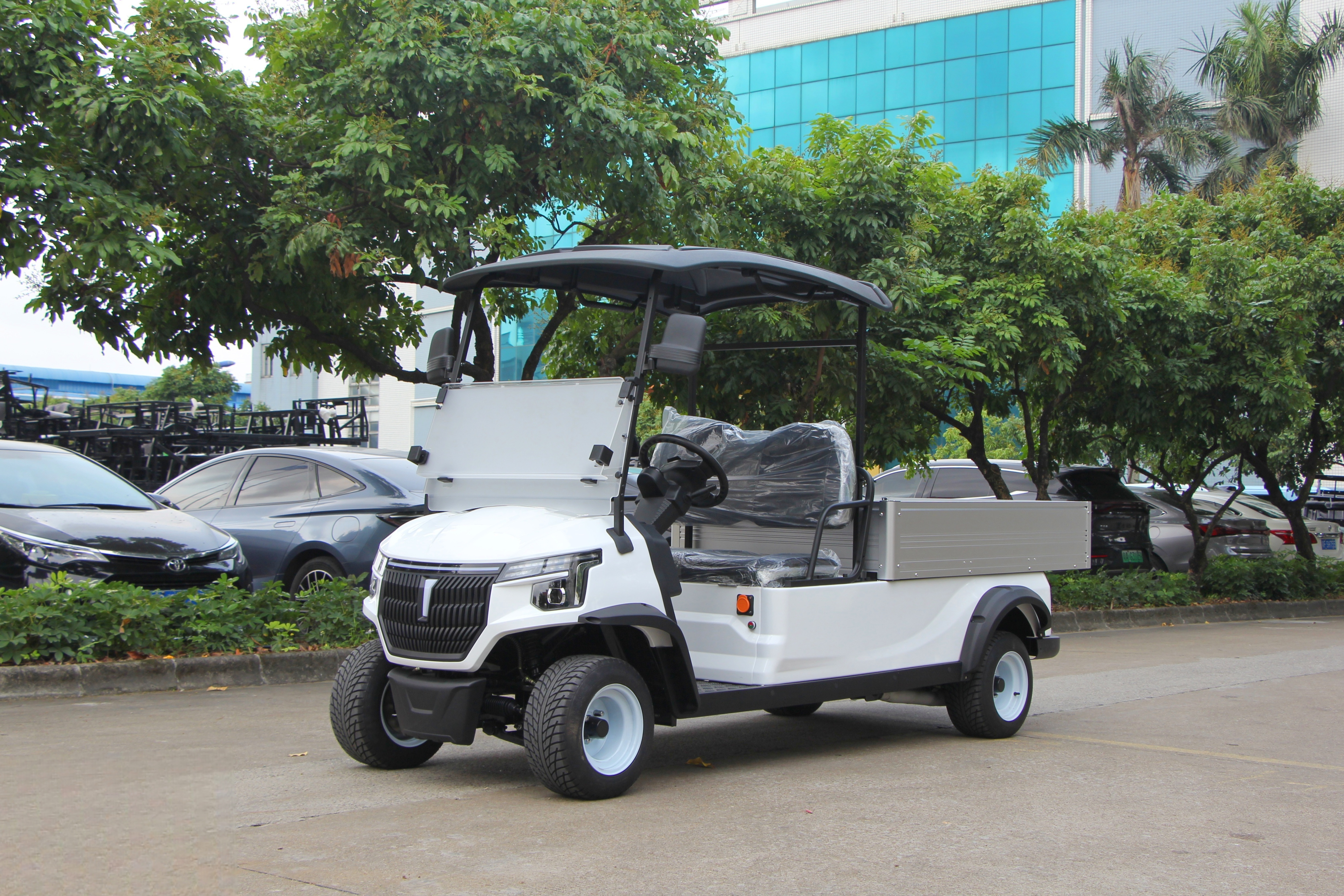
When claims arise during order execution, manufacturers reference established factory testing baseline data. For instance, in municipal projects such as the Singapore sanitation transfer fleet or airport shuttle deployments in Argentina, pre-delivery quality records serve as the technical benchmark to resolve buyer claims regarding structure or payload capacity. CE certification compliance documentation further serves as an independent technical standard to mediate regulatory or build-quality disputes in international markets across Europe, North America, and Asia.
For post-delivery operational claims, the dispute resolution workflow relies on timely engineering support. Technical teams evaluate submitted operational photos, video diagnostics, and usage logs against designated application scenarios—such as housekeeping supply transport in hotels or raw material handling in industrial campuses—to determine whether an issue stems from manufacturing defects, transit damage, or site misuse.
Data/Solution Comparison
The following table outlines the dispute management framework applied across different stages of an electric mini truck order:
| Stage | Primary Dispute Focus | Verification Mechanism | Resolution Protocol |
|---|---|---|---|
| Pre-Shipment | Specification mismatch, aesthetic flaws, component configuration | 100% inspection line data and pre-delivery road testing logs | Immediate factory rework or replacement before container seal |
| In-Transit | Transit damage, delayed delivery, bill of lading errors | Sea freight documentation and loading photo archives | Insurance claim assistance and ocean carrier freight tracing |
| Post-Delivery / Warranty | Functional failure, battery performance, structural wear | Remote diagnostic evaluation against 1-year warranty terms | Dispatch of replacement parts and technical service support |
Frequently Asked Questions (FAQ)
What documentation is required to initiate a quality dispute claim for an electric mini truck?
Buyers must provide the vehicle identification serial number, detailed photographs or video footage demonstrating the issue, and an operational log describing the conditions under which the failure occurred. This data is verified against factory pre-delivery inspection records.
How are disputes regarding shipping damage handled for sea freight deliveries?
Sea freight shipments are documented with pre-loading photographs showing vehicle condition inside the container. If damage occurs during transit, the pre-loading records serve as evidence for ocean carrier insurance claims and direct part replacement coordination.
What is the typical resolution time for standard warranty component claims?
Initial technical evaluations are completed upon receiving diagnostic photos and description. Under the 1-year whole-vehicle warranty, approved replacement components are prepared for shipment according to contractual terms.
Final Conclusion & Recommendations
Effective dispute resolution for mini truck orders relies on transparent quality control processes, rigorous pre-shipment road testing, and strict adherence to contractual terms. Operating under an Industry and Trade Integration model with a monthly capacity of 1,000 units, structured manufacturing workflows ensure standard 15 to 30 day production schedules and 100% inspection line verification. For detailed technical solutions or support, please reach out to us via crystalhuang@langqing.cn.
About Us
Guangzhou Langqing Electric Car CO., LTD. was established in 2000 in the Nansha Economic Development Zone, Guangzhou. Operating a 35,000-square-meter facility with a workforce of 160 employees and a 30-member R&D team, the company maintains a monthly capacity of 1,000 units across electric golf carts, sightseeing buses, and mini trucks. Certified under ISO9001, ISO14001, ISO45001, and EU CE, the company has served commercial dealers and government projects across North America, South America, Europe, the Middle East, and Southeast Asia.
Lastest
-
How are replacement spare parts provided for a 17seats bus?
2026-08-14 -
What is the typical deposit percentage for a 23seats bus order?
2026-08-14 -
What recyclable components are used in modern golf carts?
2026-08-14 -
What is the warranty policy for air conditioning on 23seats bus?
2026-08-14 -
What battery specs should I check when buying electric golf carts?
2026-08-14
SUBSCRIBE
INQUIRY