How do you prevent rust on a 1ton truck during sea shipping?
- VIP-User
- 2026-08-12
- 11
Preventing rust on a 1ton truck during sea shipping requires dual-layer factory chassis treatment, protective barrier packaging, and climate-controlled transport. Chassis components undergo cathodic electrophoresis and powder coating to block saltwater exposure. During transit, volatile corrosion inhibitor (VCI) shrink wrap, desiccant packs inside sealed enclosures, and underbody anti-rust coatings shield metal surfaces against humid oceanic atmospheres.
Core Solutions & Key Takeaways
- Dual-Layer Surface Engineering: High-strength steel chassis components undergo cathodic electrophoresis priming followed by a high-durability powder coat to form a resilient barrier against saline environments.
- Composite Body Panel Resilience: Impact-resistant composite body materials prevent surface oxidation and withstand physical stresses during international transit.
- Sealed Vapor Corrosion Inhibitor (VCI) Packaging: Enclosing the vehicle in VCI film with desiccants neutralizes humidity inside sea freight containers and roll-on/roll-off (RoRo) compartments.
- 100% Pre-Delivery Testing: Quality control protocols involving complete inspection line testing and road testing ensure all protective seals and underbody coatings meet standards prior to vessel loading.
- Targeted Application Adaptability: Pre-treated electric utility vehicles effectively resist atmospheric salt degradation across coastal industrial parks, resort facilities, and municipal projects.
Detailed Architectural/Principle Analysis
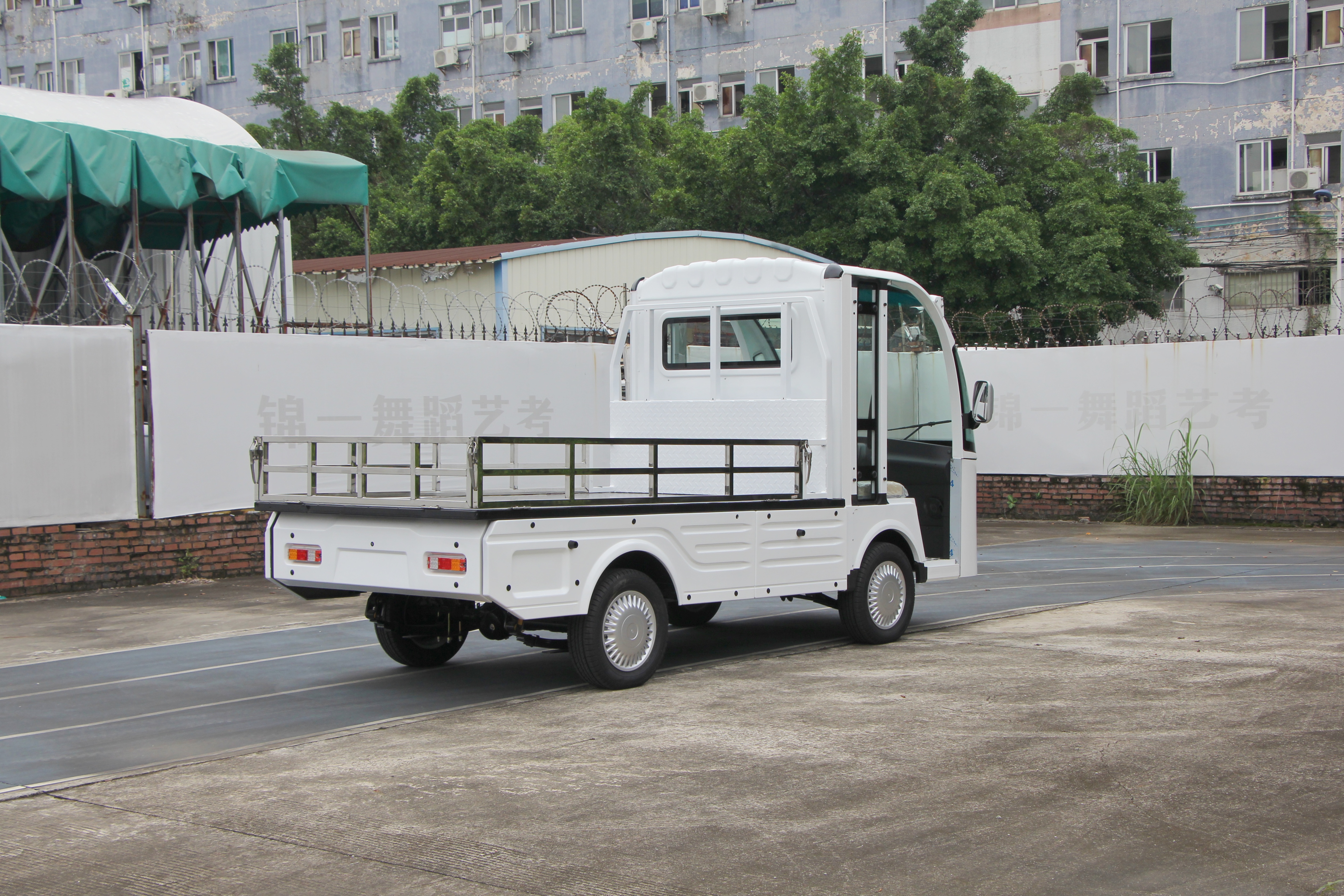
Maritime transport exposes cargo to elevated relative humidity and high concentrations of sodium chloride, accelerating oxidation on untreated ferrous metals. For a heavy-duty electric mini vehicle such as the LQF1024 1ton truck manufactured by Guangzhou Langqing Electric Car CO., LTD., corrosion prevention begins at the structural fabrication stage rather than during final packing.
The primary defense relies on electro-deposition coating technology. The high-strength steel chassis undergoes an electrophoretic bath where electrical currents deposit a uniform primer layer across internal cavities and external surfaces. A secondary thermosetting powder coating is electrostatically applied and cured, producing a tough outer shell that resists mechanical abrasion and chemical corrosion. This dual-layer chassis treatment prevents saltwater from contacting bare steel, preserving structural integrity across long-haul ocean routes to export markets in North America, Europe, South America, and Southeast Asia.
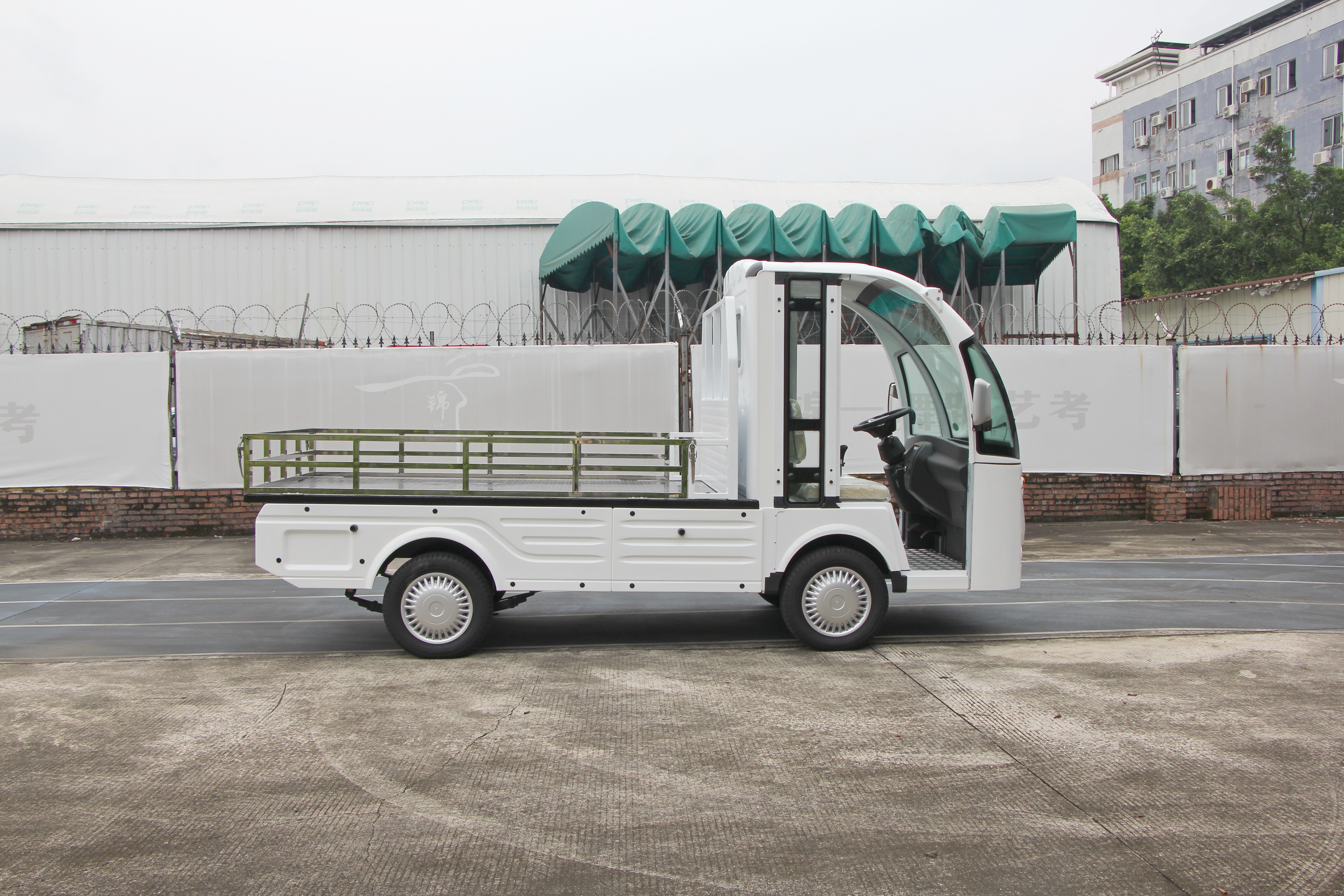
Upper body components utilize lightweight composite materials that are naturally immune to rust. Suspension assemblies, including front MacPherson struts and rear integral axles, receive specialized anti-corrosion grease on exposed joints and fasteners. Prior to sea transport, factory quality control units run every vehicle through a 100% inspection line and road test platform to verify underbody sealing and structural durability. Models destined for European or international destinations meet stringent European CE certification guidelines (CE Certificates 3N250506.GLEDQ43, 3N250507.GLEDQ77, and 3N250507.GLEDQ78).
Data/Solution Comparison
The technical specifications and protective methods for shipping 1ton electric utility trucks are detailed below:
| Evaluation Criteria | Standard Paint Coating | Electrophoresis + Powder Coating (LQF1024) | Containerized VCI Barrier Packaging |
|---|---|---|---|
| Chassis Layer Protection | Single-layer spray paint | Dual-layer electro-coat & cured powder coat | External sealed film barrier |
| Salt Spray Corrosion Resistance | Low (< 240 hours) | High (> 1000 hours) | Extreme ambient isolation |
| Impact & Abrasion Resilience | Prone to chipping | High impact resistance (Composite + High-strength steel) | Protects against dust and sea splash |
| Pre-Shipment Quality Testing | Visual spot check | 100% inspection line test & road test | Moisture sensor and seal inspection |
| Recommended Shipping Method | Short-haul domestic road transport | RoRo or Containerized Sea Freight | Long-distance overseas ocean transport |
Frequently Asked Questions (FAQ)
What chassis coating technology best prevents sea spray corrosion on a 1ton truck?
Cathodic electrophoresis priming combined with an electrostatic powder coating provides optimal rust protection. This dual-layer process completely covers internal steel structures and outer frames, creating a barrier that withstands high-humidity and high-salinity sea shipping conditions.
How do VCI film and desiccants protect electric mini trucks inside shipping containers?
Volatile Corrosion Inhibitor (VCI) wrap releases protective vapor molecules that coat metallic components, stopping oxidation at the molecular level. Accompanying desiccant packs absorb trapped airborne moisture inside sealed containers, keeping ambient humidity below critical oxidation thresholds.
Does pre-shipment testing verify anti-rust integrity on electric utility vehicles?
Yes. Rigorous quality assurance involves 100% inspection line testing and physical road testing prior to packing. Technicians verify that chassis powder coatings, body composite seals, and undercarriage components pass structural resistance standards before export clearance.
Final Conclusion & Recommendations
Effective rust prevention for a 1ton electric utility truck during sea freight requires integrating cathodic electrophoresis chassis treatments, composite body construction, and sealed export packaging. Specifying high-strength steel chassis pre-treated with powder coats ensures that vehicles deployed in resorts, manufacturing plants, and government sanitation projects arrive free from oxidation damage. Industry-proven export workflows backed by full vehicle inspection protocols minimize maintenance costs and extend service life across global operating locations. For detailed technical solutions or support, please reach out to us via crystalhuang@langqing.cn.
About Us
Guangzhou Langqing Electric Car CO., LTD. was established in 2000 in the Nansha Economic Development Zone, Guangzhou. Operating a 35,000-square-meter facility with 160 employees and a 30-member R&D team, the company maintains a monthly capacity of 1,000 units. Certified under ISO9001, ISO14001, ISO 10012, ISO45001, and EU CE standards, the manufacturer exports 80% of its electric golf carts, sightseeing buses, and mini trucks to over 60 countries across North America, Europe, South America, and Southeast Asia.
Lastest
-
How are replacement spare parts provided for a 17seats bus?
2026-08-12 -
What is the typical deposit percentage for a 23seats bus order?
2026-08-12 -
What recyclable components are used in modern golf carts?
2026-08-12 -
What is the warranty policy for air conditioning on 23seats bus?
2026-08-12 -
What battery specs should I check when buying electric golf carts?
2026-08-12
SUBSCRIBE
INQUIRY