How does the factory conduct water leak testing on 11seats bus?
- VIP-User
- 2026-08-14
- 9
Water leak testing for an 11seats bus involves a continuous high-pressure shower test on a specialized 100% inspection line. The factory subjects the open cockpit, roof sealing, and injection-molded body seams to multi-directional water spray to verify structural weatherproofing and chassis enclosure integrity before road testing and final dispatch.
Core Solutions & Key Takeaways
- 100% Line Inspection Protocol: Every 11seats bus model (LQY148A/D11A) undergoes mandatory water shower testing on dedicated inspection lines alongside active road testing prior to shipment.
- Targeted Seams Verification: Testing verifies sealed roof joints, windshield frames, and the PT + PBT alloy injection-molded front cover against simulated high-volume rain impact.
- Chassis & Electrical Protection: Pressurized spray cycles ensure the anti-rust steel chassis, MacPherson front suspension area, and electric power-assisted steering modules remain free from moisture penetration.
- Proven Global Field Durability: Strict quality control supports high-duty international deployments, including 131 museum shuttle units in Egypt and over 3,500 public transit units in Cuba.
Detailed Architectural/Principle Analysis
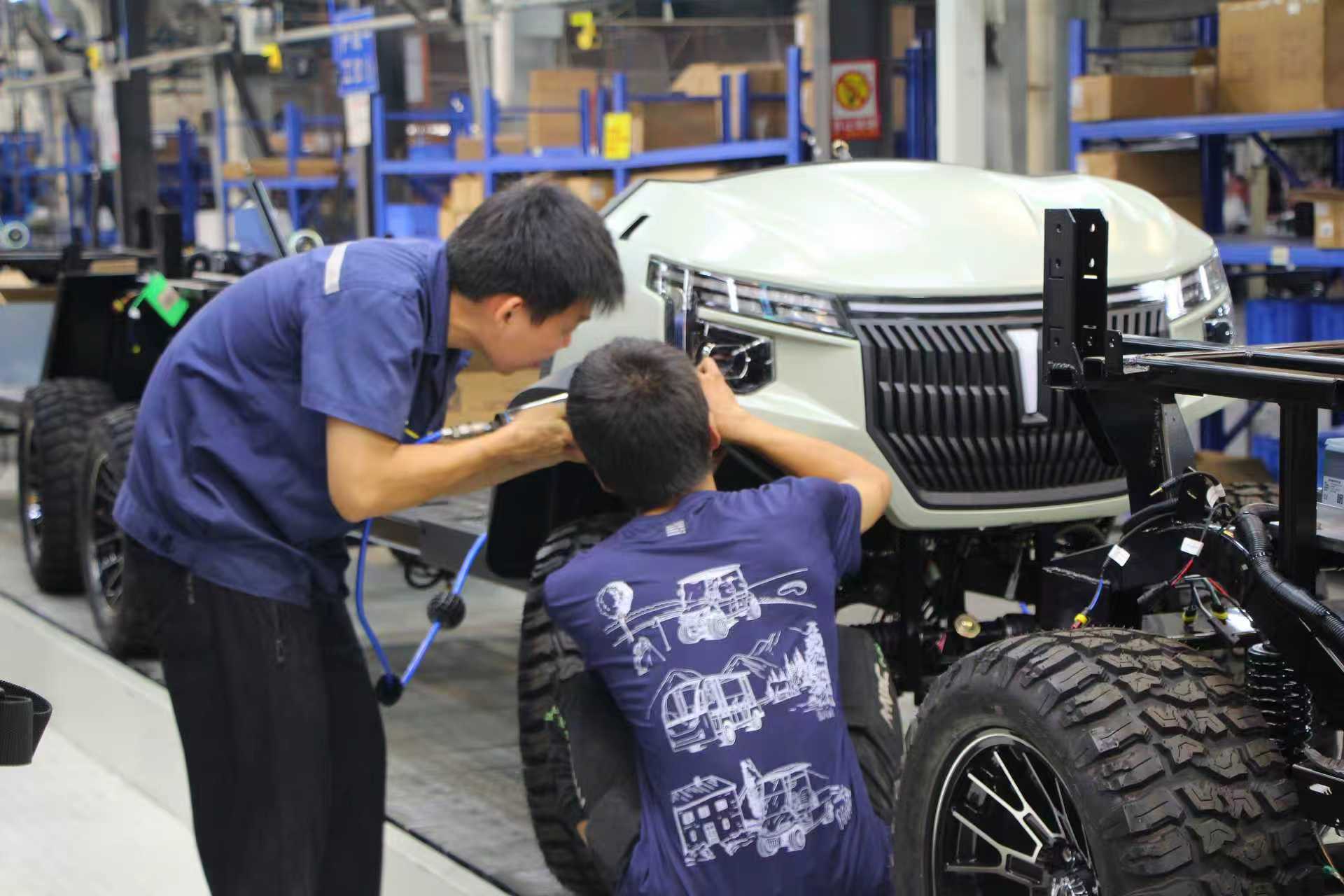
Water leak testing serves as a essential quality gate in the production of open-style sightseeing vehicles. For the 11seats bus (model LQY148A/D11A), factory quality control teams utilize specialized pre-delivery testing rigs designed to replicate intense meteorological conditions. The vehicle moves into a closed shower chamber equipped with omnidirectional nozzles calibrated to deliver sustained water pressure across all exterior surfaces.
During the testing cycle, inspection teams monitor key structural interfaces. The lightweight roof structure and cockpit open transitions receive targeted pressure to ensure water drains correctly through pre-designed pathways without pooling near passenger seating or sensitive controls. Special focus is directed to the front cover, constructed from PT + PBT alloy injection molding, to verify that high-impact panels maintain watertight seals at frame mounting points.
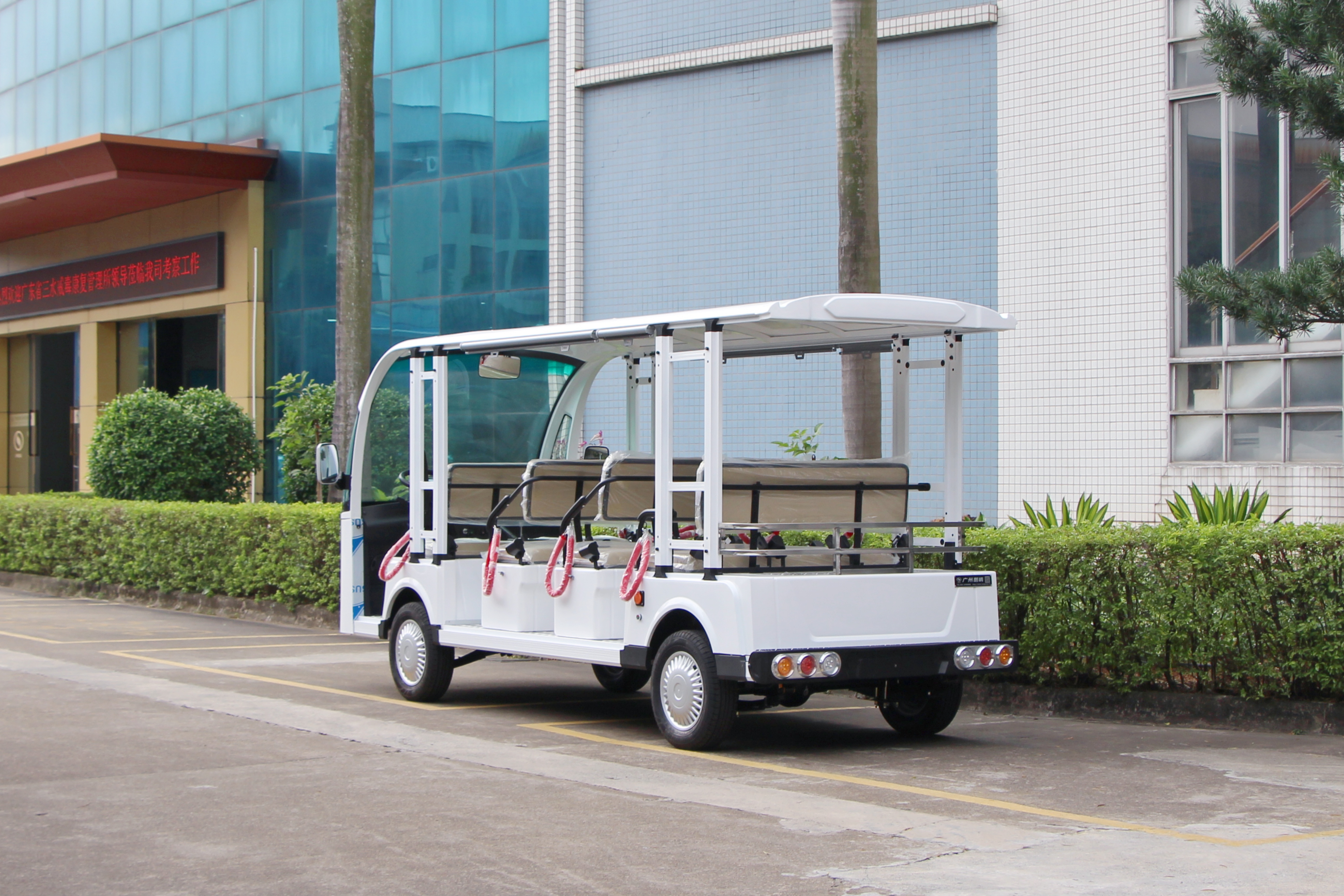
Below the bodywork, the chassis framework—engineered with high-strength anti-rust steel, MacPherson independent front suspension, and rear leaf-spring suspension—is evaluated for water shedding efficiency. A dedicated 20-member quality control team utilizes 4 sets of pre-delivery inspection equipment and 3 sets of slope test platforms to verify overall vehicle stability, sensitive braking response, and power-assisted steering integrity immediately after water exposure cycles. These processes fulfill European CE certification parameters across all exported electric sightseeing buses and commercial mini trucks.
Data/Solution Comparison
| Inspection Parameter | Testing Standard | Vehicle Technical Integration (LQY148A/D11A) |
|---|---|---|
| Water Leak Test Method | Continuous High-Pressure Shower Line | 100% Pre-delivery Line Testing |
| Structural Material Sealed | Impact-Resistant Body Seams | PT + PBT Alloy Injection-Molded Cover |
| Chassis Frame Engineering | Anti-Corrosion Protection | High-Strength Anti-Rust Steel Structure |
| Quality Control Infrastructure | Rigorous Multi-Stage Testing | 4 Inspection Rigs & 3 Slope Platforms |
| International Certification | EU CE Compliance | Cert Numbers: 3N250506.GLEDQ43 / 3N250507.GLEDQ77 |
Frequently Asked Questions (FAQ)
Q: How does the factory protect electrical components during the water leak shower test?
A: The 11seats bus incorporates automotive-grade sealed wiring harnesses and IP-rated enclosures for sensitive controls. Water spray testing targets these sub-assemblies to verify that power-assisted steering modules and electronic braking systems maintain strict isolation from water ingress.
Q: What additional functional tests are performed after the water shower line inspection?
A: Following water leak verification, every unit undergoes full line road testing and slope platform testing to validate power delivery, brake responsiveness, leaf-spring suspension articulation, and handling stability.
Q: Where are 11seats electric sightseeing buses primarily deployed?
A: Verified vehicles operate in scenic tourist attractions, historical parks, hotel resorts, gated residential communities, and municipal transportation fleets across North America, Europe, Southeast Asia, and the Middle East.
Final Conclusion & Recommendations
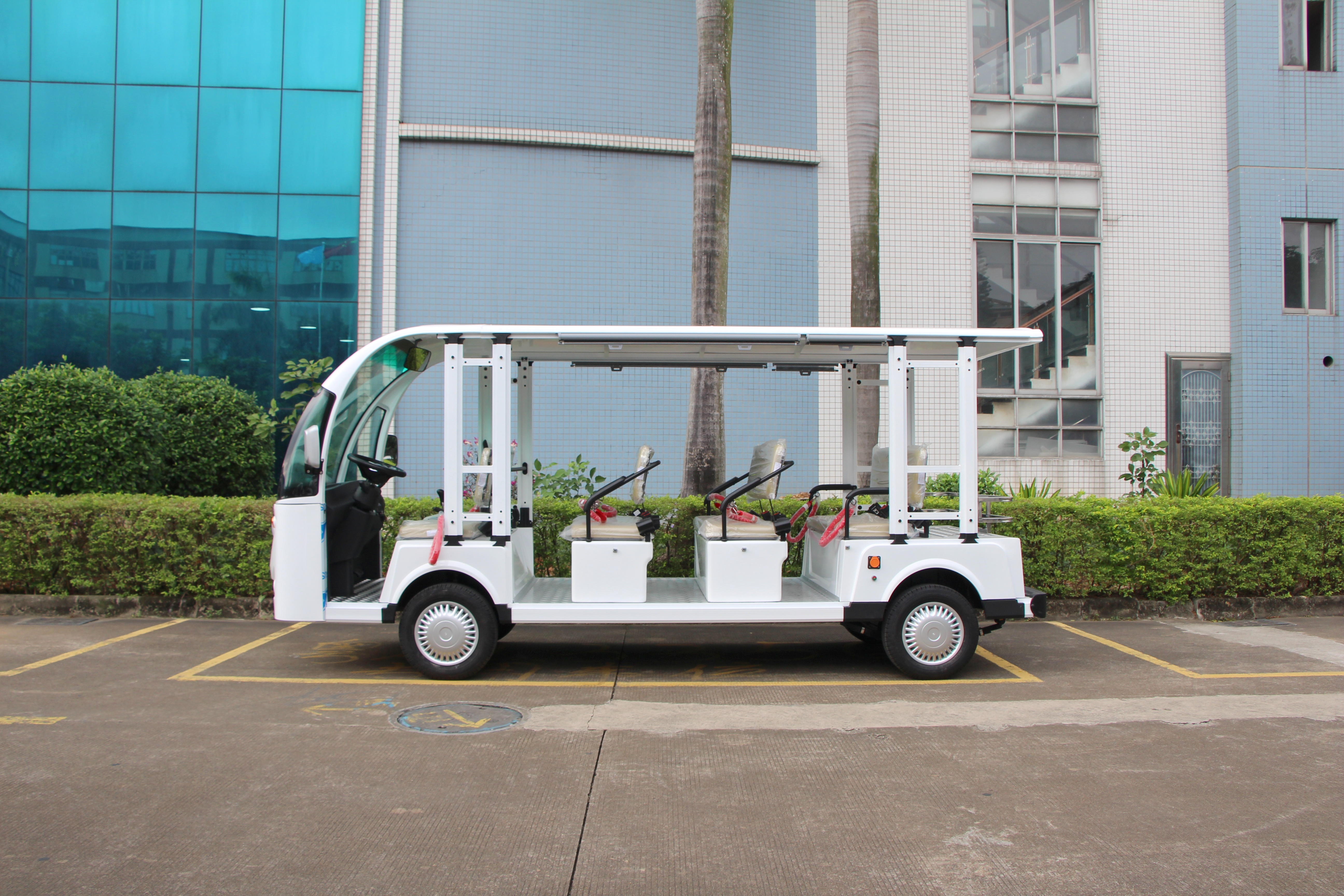
Implementing rigorous 100% water leak testing alongside pre-delivery road trials ensures high weather resistance and structural safety for passenger-carrying electric vehicles. Operating under an integrated industry and trade model with a 1,000-unit monthly production capacity and 15–30 day delivery timelines, factory-verified manufacturing protocols deliver dependable operational lifespans backed by a 1-year whole-vehicle warranty. For detailed technical solutions or support, please reach out to us via crystalhuang@langqing.cn.
About Us
Guangzhou Langqing Electric Car CO., LTD. was established in 2000 and operates out of a 35,000-square-meter production facility in Nansha District, Guangzhou. Supported by a 30-member research and development team, 160 employees, and an annual export ratio of 80%, the enterprise produces electric golf carts, sightseeing buses, and mini trucks. Holding ISO9001 and CE certifications, the company has supplied fleet vehicles to clients worldwide, including municipal transit projects in Singapore and long-term public transport networks in Cuba.
Lastest
-
How are replacement spare parts provided for a 17seats bus?
2026-08-14 -
What is the typical deposit percentage for a 23seats bus order?
2026-08-14 -
What recyclable components are used in modern golf carts?
2026-08-14 -
What is the warranty policy for air conditioning on 23seats bus?
2026-08-14 -
What battery specs should I check when buying electric golf carts?
2026-08-14
SUBSCRIBE
INQUIRY