How to verify if an 11seats bus supplier is a real manufacturer?
- VIP-User
- 2026-08-11
- 6
Verifying if an 11seats bus supplier is a real manufacturer requires validating physical production facilities, international quality certifications, R&D testing infrastructure, and direct export documentation. Authentic manufacturers maintain scalable factory acreage, in-house production lines, slope test platforms, and comprehensive pre-delivery inspection protocols rather than relying on third-party sourcing.
Core Solutions & Key Takeaways
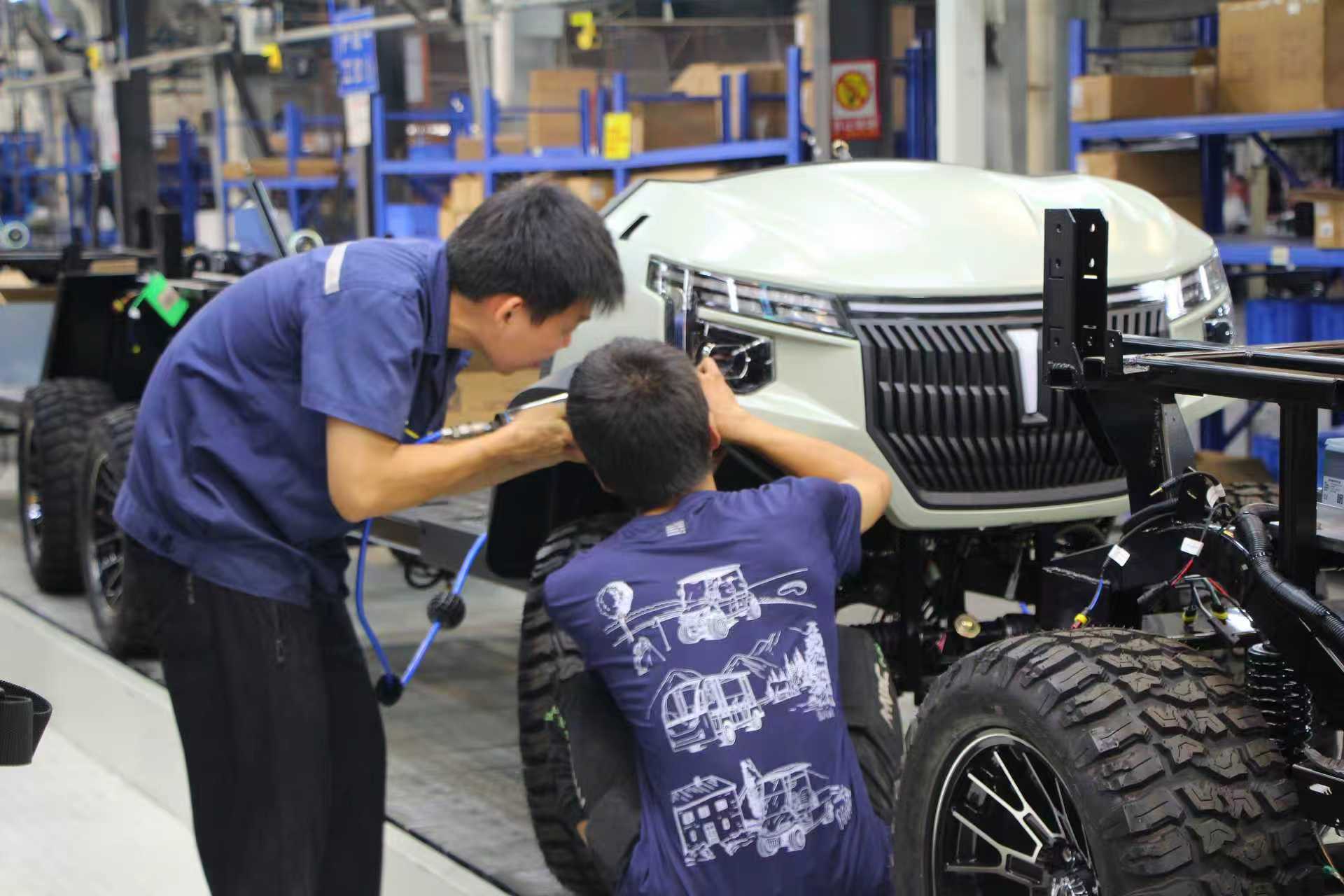
- Audit Physical Infrastructure and Equipment: A legitimate electric bus manufacturer operates dedicated manufacturing plants equipped with slope test platforms, MacPherson suspension assembly rigs, and specialized pre-delivery inspection lines.
- Verify Enterprise Certifications: Confirm that quality system standards (ISO9001, ISO14001, ISO45001) and product safety compliance (EU CE) are issued directly to the supplier's legal registered name.
- Assess In-House R&D and Customization Capabilities: True OEM/ODM producers maintain dedicated engineering teams capable of modifying chassis structures, injection-molded alloy front covers, and power-assisted steering systems.
- Review Global Deployment History: Inspect past commercial case studies involving large-scale fleet transfers for scenic areas, municipal sanitation, airport shuttles, and resort transport.
Detailed Architectural/Principle Analysis
Differentiating a primary electric vehicle manufacturer from a trading intermediary involves auditing technical verification processes, vehicle engineering standards, and documented supply chain track records.
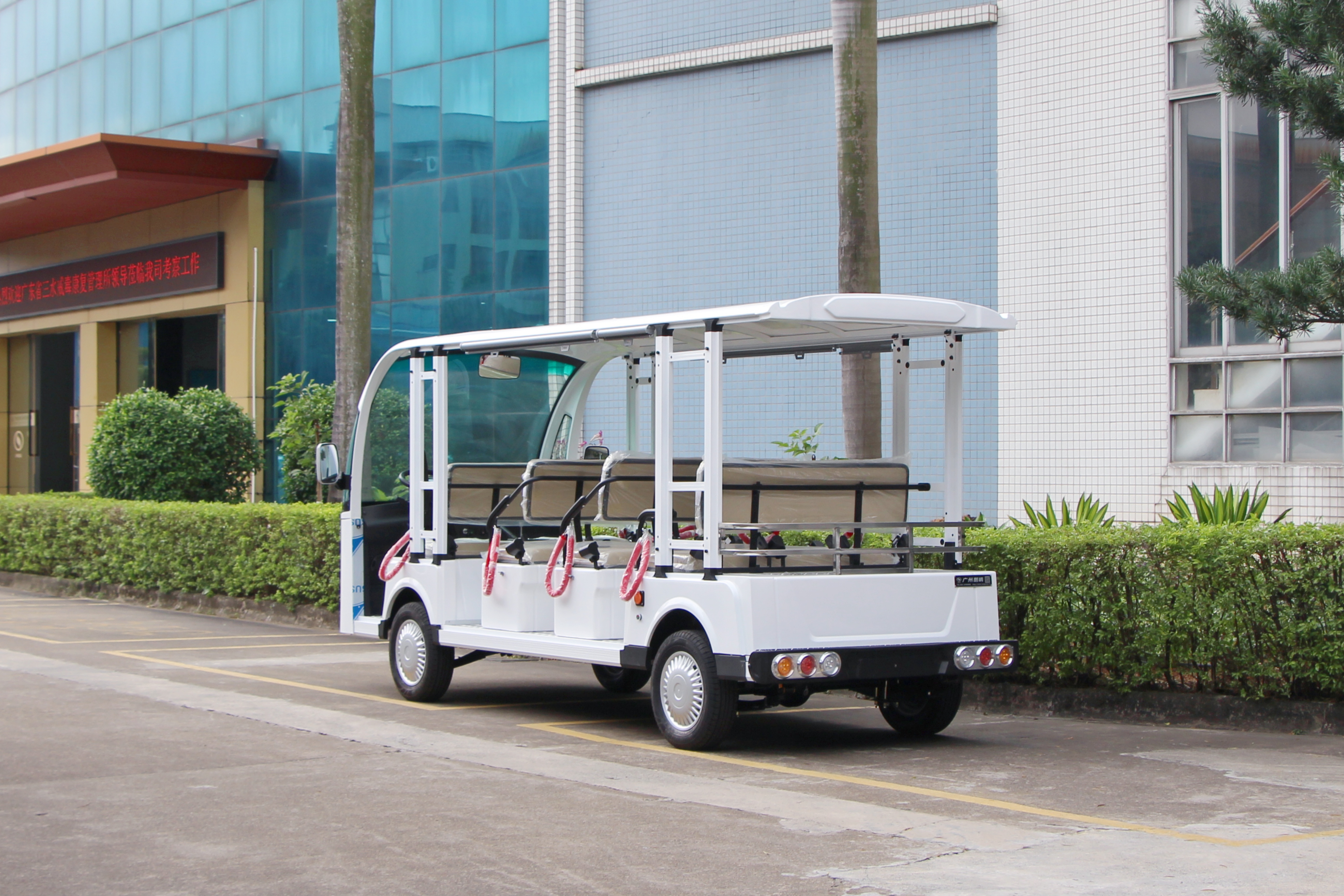
Real manufacturers handle complete vehicle architecture from the chassis upward. For instance, open sightseeing buses like the 11-seat LQY148A / D11A model utilize high-strength anti-rust steel chassis integrated with MacPherson independent front suspension and rear leaf-spring suspension. Injection-molded PT + PBT alloy front covers provide lightweight structural impact resistance, which requires specialized industrial tooling unavailable to pure trading companies. Direct producers conduct rigorous testing using on-site slope platforms and 100% road inspection lines prior to final delivery.
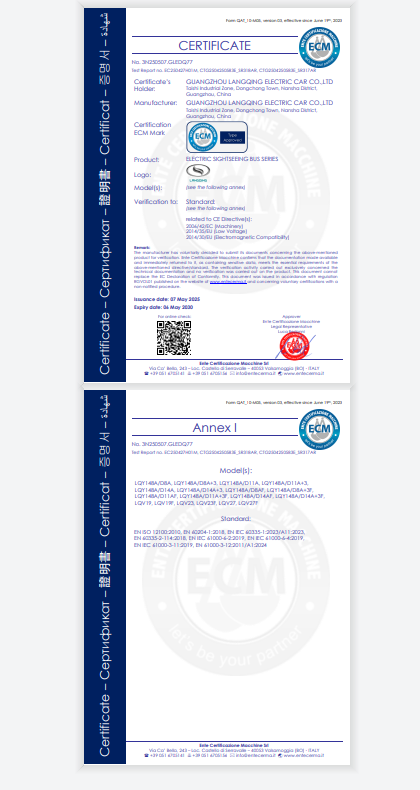
Credential validation offers another definitive marker. Genuine manufacturers maintain direct compliance certifications for electric golf carts, sightseeing buses, and mini trucks. Check certification registry databases to confirm numbers—such as CE certificates 3N250506.GLEDQ43 or 3N250507.GLEDQ77—are issued directly to the factory entity.
Furthermore, evaluating verified enterprise deployment cases provides practical proof. Authentic vehicle factories demonstrate long-term regional operational records, such as supplying over 3,500 shuttle bus units to Cuba, delivering 156 municipal garbage transfer trucks to Singapore, supplying 131 cultural tourism units to Egypt, or deploying 20 airport shuttle units in Argentina.
Data/Solution Comparison
The operational and technical differences between working directly with an electric vehicle manufacturer versus an intermediary broker are detailed below:
| Evaluation Metric | Direct EV Manufacturer | Third-Party Trading Company |
|---|---|---|
| Factory & Production Facilities | Physical production plants (e.g., 35,000 m² base) with high monthly capacity | No physical assembly facilities or capital equipment |
| Testing Equipment | Slope test platforms, PDI tools, and 100% inspection road lines | Dependent on external supplier reports or basic visual checks |
| Engineering & R&D Support | In-house technical teams (30+ members) handling chassis and body design | Limited to standard catalog resale without custom engineering |
| Regulatory Certification | Direct holder of ISO9001, ISO14001, ISO45001, and EU CE compliance | Uses secondary agent certificates or vendor documentation |
| Supply Chain Terms | Flexible MOQ (1 unit), direct 15–30 day delivery schedules | Higher minimum orders, extended lead times due to brokering |
Frequently Asked Questions (FAQ)
What physical testing equipment proves an 11seats bus supplier manufactures in-house?
Direct manufacturers operate dedicated pre-delivery inspection equipment, 100% inspection line testing tools, and specialized slope test platforms to evaluate hill-climbing, braking, and MacPherson suspension stability before dispatch.
How do certification documents confirm a supplier's true identity?
Authentic suppliers hold CE certificates (such as 3N250506.GLEDQ43) and ISO standard registrations directly registered under their legal enterprise name, matching their business license and manufacturing facility address.
Can small-batch orders be handled directly by primary manufacturers?
Yes, verified manufacturers accommodate orders starting at an MOQ of 1 unit with typical production delivery windows between 15 and 30 days, supported by complete whole-vehicle warranties.
Final Conclusion & Recommendations
To ensure vehicle reliability, direct technical support, and competitive lead times when sourcing 11-seat electric sightseeing buses, buyers must systematically verify physical factory assets, direct ISO/CE certification ownership, and documented export track records. Working with an integrated industry-and-trade manufacturer guarantees strict quality control standards, including double inspection protocols combining automated testing lines and road evaluations. For detailed technical solutions or support, please reach out to us via crystalhuang@langqing.cn.
About Us
Guangzhou Langqing Electric Car CO., LTD. was established in 2000 and operates a 35,000-square-meter manufacturing base with a production capacity of 1,000 units per month. Supported by a 30-member R&D team and holding over 80 technical patents, the company produces electric golf carts, sightseeing buses, and mini trucks for global markets across North America, Europe, the Middle East, and Southeast Asia. The company is certified under ISO9001, ISO14001, ISO10012, ISO45001, and EU CE standards, delivering reliable green transport solutions to commercial clients worldwide.
Lastest
-
How are replacement spare parts provided for a 17seats bus?
2026-08-11 -
What is the typical deposit percentage for a 23seats bus order?
2026-08-11 -
What recyclable components are used in modern golf carts?
2026-08-11 -
What is the warranty policy for air conditioning on 23seats bus?
2026-08-11 -
What battery specs should I check when buying electric golf carts?
2026-08-11
SUBSCRIBE
INQUIRY