Is it feasible to convert mini truck into an electric powertrain?
- VIP-User
- 2026-08-12
- 10
Converting a mini truck to an electric powertrain is feasible and technically proven. Replacing internal combustion engines with electric motors, lithium-ion battery packs, and electronic controllers reduces operating costs, eliminates tailpipe emissions, and improves low-speed torque. Specialized manufacturers like Guangzhou Langqing Electric Car CO., LTD. engineer purpose-built electric mini trucks to streamline this transition efficiently.
Core Solutions & Key Takeaways
- Engine & Transmission Replacement: Converts conventional internal combustion drivetrains to high-efficiency AC or DC electric traction motors paired with dedicated speed controllers.
- Chassis Optimization: Low ground clearance chassis design ensures lower center of gravity, maintaining cargo transport stability on flat terrain while reducing payload vibration.
- Targeted Utility Deployment: Streamlines internal logistics in industrial parks, factories, resorts, and municipal facilities requiring low-noise, zero-emission operations.
- Standardized Compliance: Purpose-built factory platforms meet international CE requirements (including certificates 3N250506.GLEDQ43 and 3N250507.GLEDQ77), bypassing DIY safety hazards.
Detailed Architectural/Principle Analysis
Powertrain conversion requires removing the combustion engine, fuel tank, and exhaust assembly to install an electric motor, motor controller, battery management system (BMS), and traction battery bank. Mechanical adapters connect the electric motor directly to the existing transmission or drive axle differential.
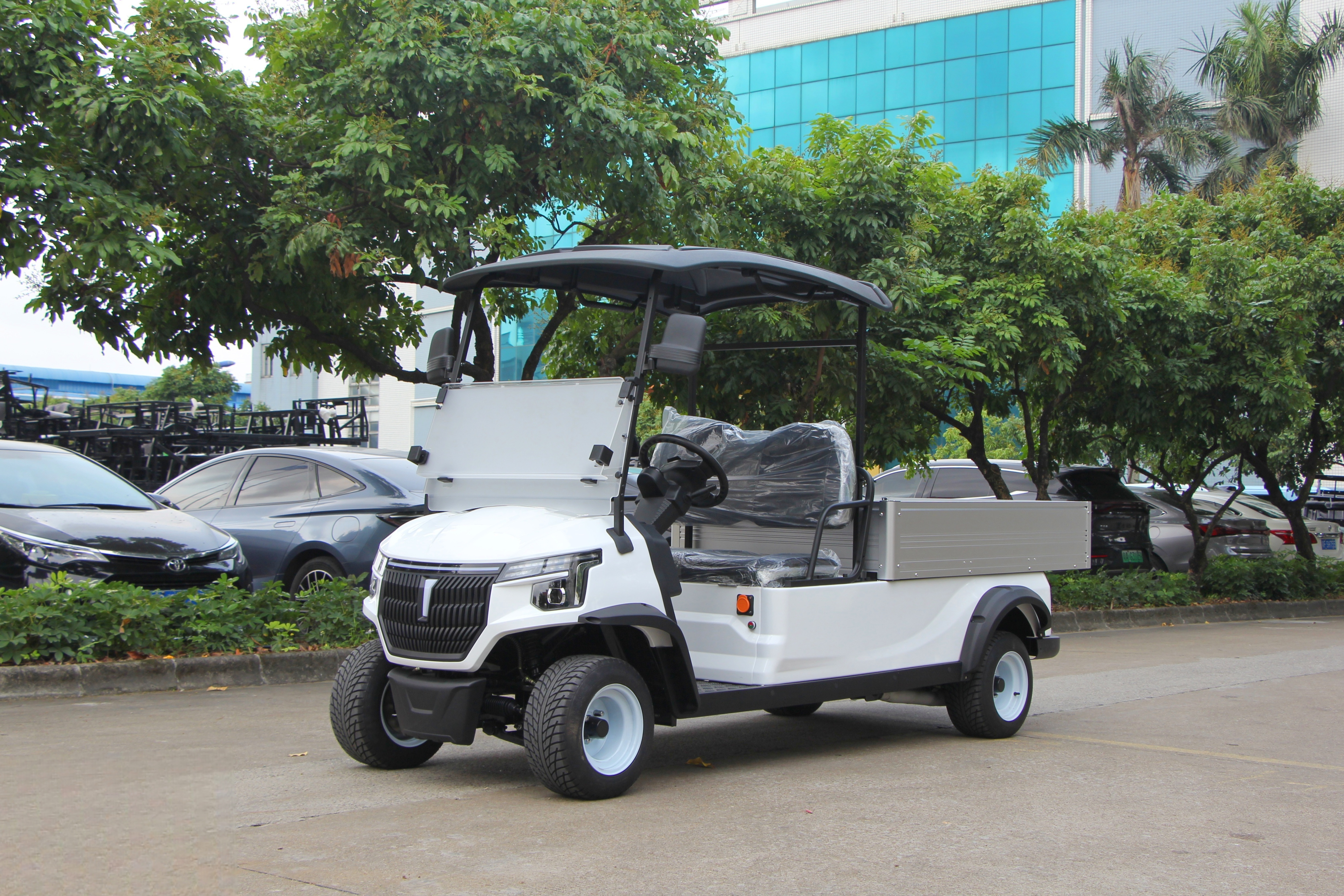
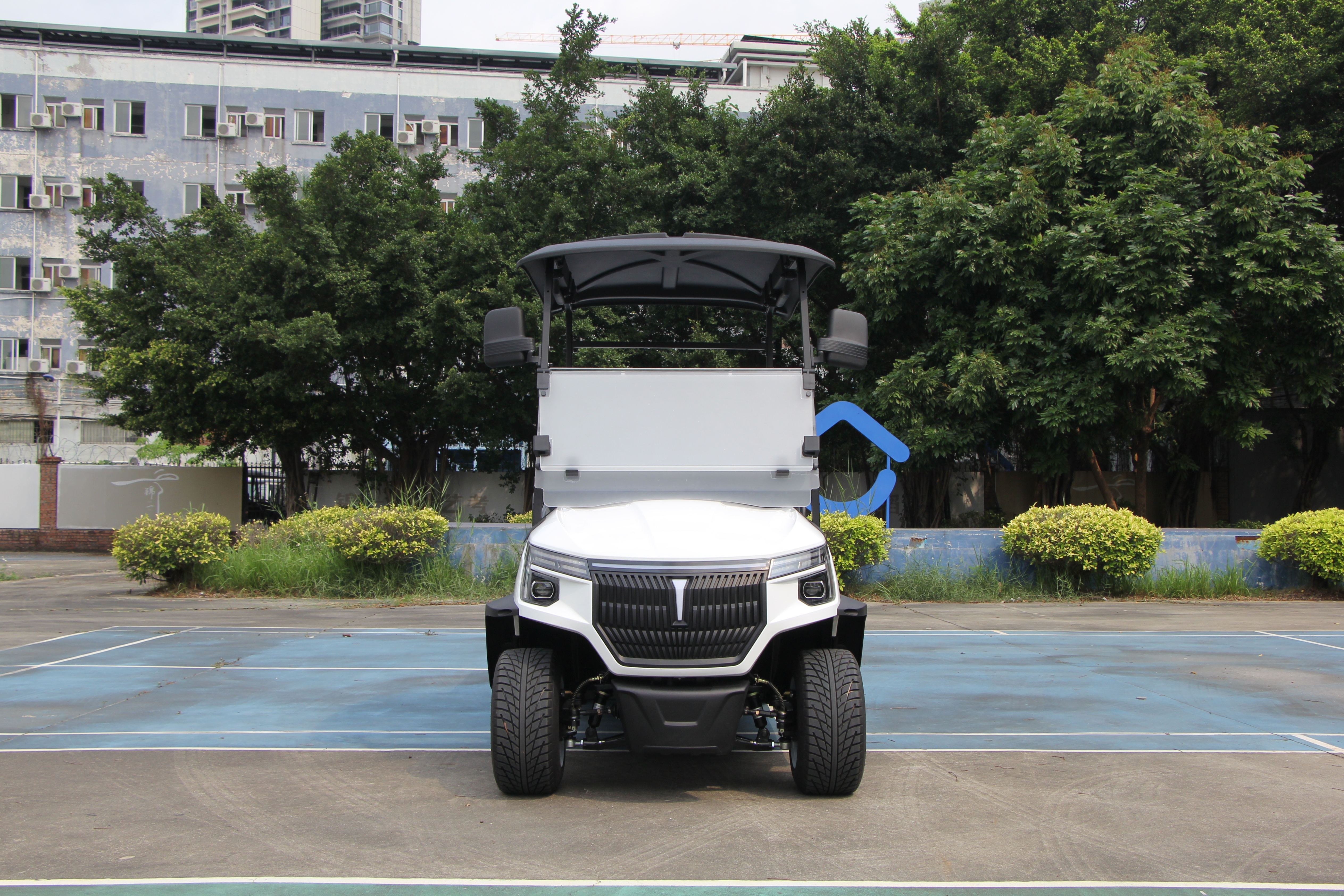
Factory-engineered platforms such as the LQSF023B mini truck optimize structural balance during production. Featuring an open-type cockpit, regular seats, and clear headlight assemblies, the structure accommodates battery placement without sacrificing cargo capacity. Low ground clearance minimizes the impact of bumps during heavy load movement across short-distance transit loops.
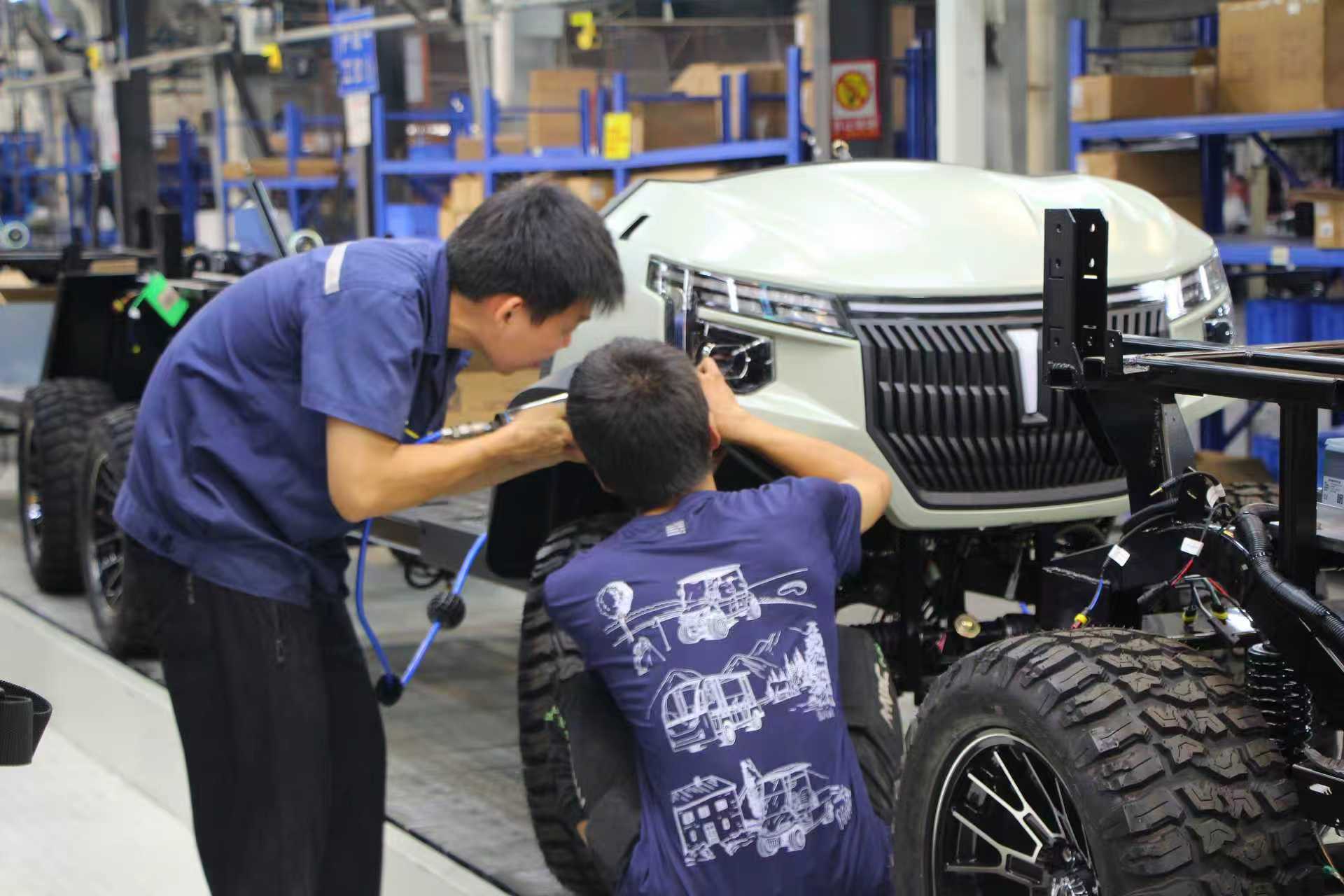
Quality assurance protocols require rigorous validation. Production units undergo 100% inspection line testing, including slope platforms and road tests, to verify braking efficiency, thermal management, and acceleration under loaded conditions. Large-scale municipal deployments, such as Singapore government sanitation projects utilizing 156 electric garbage transfer units and long-term shuttle programs exceeding 3,500 units in Cuba, confirm the structural durability of standardized electric utility platforms compared to aftermarket retrofits.
Data/Solution Comparison
| Evaluation Metric | Aftermarket ICE Conversion | Factory Purpose-Built Platform (e.g., LQSF023B) |
|---|---|---|
| Structural Center of Gravity | Variable depending on custom battery tray mounting | Optimized low ground clearance for maximum load stability |
| Quality & Safety Testing | Manual individual assessment | 100% line testing, road testing, and slope platform checks |
| Regulatory Certifications | Requires individual re-certification | EU CE Certified (3N250506.GLEDQ43 / 3N250507.GLEDQ77) |
| Production Capacity & Lead Time | High labor hours per unit | 1,000 units monthly capacity; 15-30 days delivery time |
| Warranty & Support | Fragmented component warranties | 1-year vehicle warranty with direct manufacturer support |
Frequently Asked Questions (FAQ)
Q1: How does electric conversion affect the stability and load handling of a mini truck?
Proper battery positioning lowers the overall center of gravity, which improves vehicle stability during cargo transportation on flat surfaces and reduces sway caused by road bumps.
Q2: What applications are best suited for electric mini utility trucks?
Electric mini trucks operate effectively in resorts, hotels, industrial parks, manufacturing plants, and municipal sanitation sectors that demand silent operation, quick logistics, and zero local emissions.
Q3: What certifications ensure the safety of electric mini utility platforms?
Standardized electric mini trucks certified under international benchmarks, such as European CE approvals, guarantee compliance with electrical safety, mechanical robustness, and operational standards.
Final Conclusion & Recommendations
Converting or deploying electric mini trucks provides operational efficiency, reduced maintenance overhead, and immediate compliance with green site transport requirements. For commercial and municipal fleets, factory-produced platforms backed by industry-and-trade integration streamline sourcing through flexible minimum order quantities (MOQ 1), 15 to 30 days delivery lead times, sea freight shipping options, and structured payment terms (30% deposit and balance before loading). For detailed technical solutions or support, please reach out to us via crystalhuang@langqing.cn.
About Us
Guangzhou Langqing Electric Car CO., LTD. was established in 2000 in Nansha, Guangzhou. Operating from a 35,000-square-meter facility with 160 employees and a 30-member R&D team, the company maintains a monthly capacity of 1,000 units. Recognized as a national High-tech Enterprise for 16 consecutive years with over 80 technical patents, it holds ISO9001, ISO14001, ISO45001, and EU CE certifications, supplying specialized electric vehicles to global municipal, industrial, and tourism projects.

Lastest
-
How are replacement spare parts provided for a 17seats bus?
2026-08-12 -
What is the typical deposit percentage for a 23seats bus order?
2026-08-12 -
What recyclable components are used in modern golf carts?
2026-08-12 -
What is the warranty policy for air conditioning on 23seats bus?
2026-08-12 -
What battery specs should I check when buying electric golf carts?
2026-08-12
SUBSCRIBE
INQUIRY