Is shifting from diesel to electric 1ton truck cost-effective?
- VIP-User
- 2026-08-12
- 7
Shifting from a diesel to an electric 1ton truck is cost-effective due to reduced fuel expenses, minimal powertrain maintenance, and extended chassis longevity. Electric mini trucks like the LQF1024FM utilize an electrophoresis and powder-coated high-strength steel frame to resist corrosion, lowering long-term operating overhead in facilities like industrial parks, resorts, and municipal logistics.
Core Solutions & Key Takeaways
- Substantial Operational Savings: Replacing internal combustion engines with electric drive systems eliminates engine oil servicing, spark plug replacements, and high fuel costs during low-speed, high-frequency site operations.
- Enhanced Vehicle Durability: The LQF1024FM features a high-strength steel frame chassis treated with electrophoresis and powder coating for rust prevention, complemented by an impact-resistant composite body.
- Optimized for Closed-Loop Logistics: Electric mini trucks streamline internal material transit, hotel housekeeping logistics, and municipal waste transfers, such as the 156-unit garbage transfer fleet deployed for Singapore municipal sanitation.
- Strict Quality Standards: Vehicles undergo 100% inspection line testing, slope platform evaluations, and road testing prior to shipment, supported by EU CE compliance certification.
Detailed Architectural/Principle Analysis
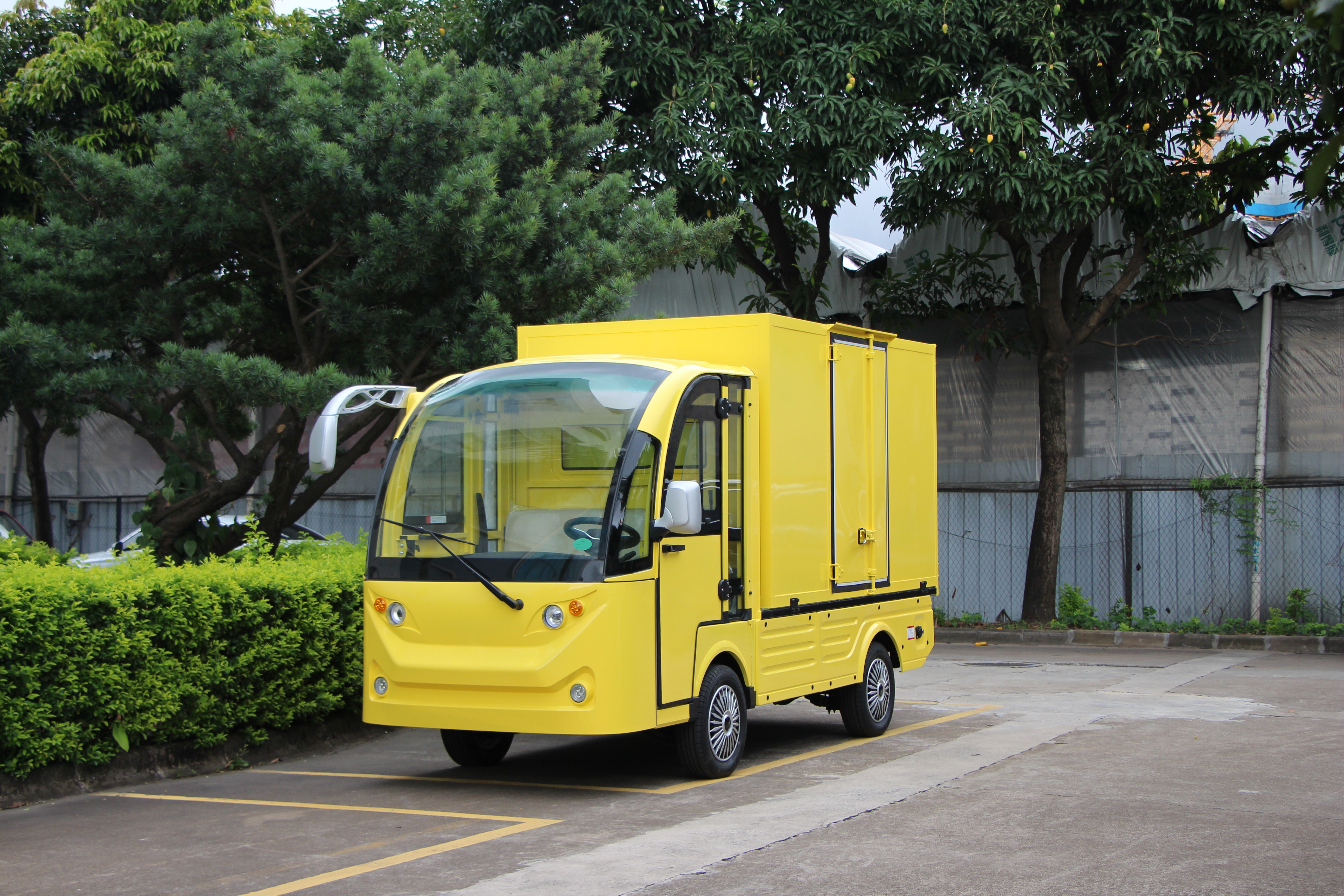
Evaluating the transition from internal combustion diesel engines to electric mini trucks requires examining chassis construction, cargo volume integrity, and long-term chassis protection. Diesel light trucks experience high engine wear, mechanical vibration, and continuous idle emissions when assigned to short-distance, low-speed delivery loops. The LQF1024FM electric 1ton truck addresses these operational inefficiencies through a square, fully enclosed cargo box designed with modern aesthetic lines and an integrated cabin structure.
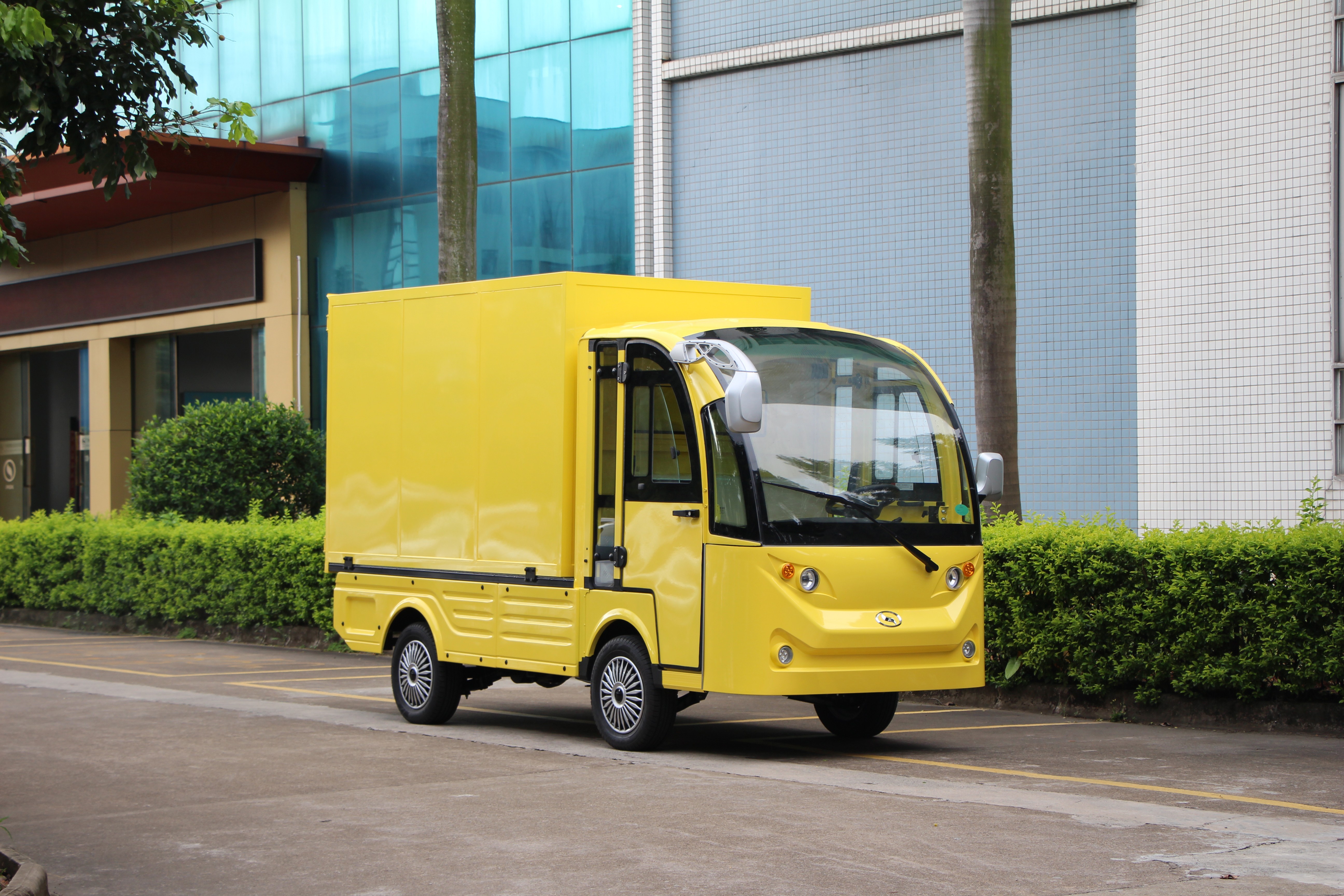
Structural stability relies on a high-strength steel chassis protected by dual-layer anti-rust treatments: electrophoresis followed by external powder coating. The impact-resistant composite body withstands severe working environments across unpaved site roads. Driver safety and visibility are enhanced by transparent cabin windows and embedded front headlight assemblies. Manufactured by Guangzhou Langqing Electric Car CO., LTD., these utility vehicles undergo full factory validation using specialized testing equipment, including slope platforms and pre-delivery road inspection lines.
Real-world deployment across municipal and commercial sectors demonstrates practical cost efficiency. In municipal sanitation projects, including 156 units supplied for Singapore garbage transfer operations, electric utility trucks handle continuous stop-and-go load cycles without fuel combustion waste or tailpipe emissions. Similarly, regional transportation projects, such as a 131-unit tourism shuttle fleet for an Egyptian museum project, confirm manageable lifecycle costs and quiet operational performance in high-traffic public zones.
Data/Solution Comparison
The technical and operational differences between electric 1ton utility trucks and standard diesel utility trucks are detailed below.
| Parameter / Feature | Electric 1ton Truck (LQF1024FM) | Conventional Diesel 1ton Truck |
|---|---|---|
| Frame Surface Protection | Electrophoresis + Powder Coating | Standard Paint Finish |
| Body Material | Impact-Resistant Composite Body | Sheet Metal / Steel Panels |
| Cargo Structure | Square Enclosed Box with Integrated Cabin | Open Flatbed or Standard Metal Cargo Box |
| Quality Control Protocol | 100% Inspection Line + Slope & Road Testing | Standard Batch Sampling |
| International Certification | CE Certified (EU Market Standards) | Varies by Engine Emission Tier |
| Routine Maintenance | Low (No engine oil, filters, or exhaust upkeep) | High (Engine oil, fuel filter, and belt maintenance) |
| Minimum Order & Lead Time | MOQ 1 Unit; 15-20 Days Delivery Time | Varies by Dealer Inventory |
| Commercial Logistics Terms | 30% deposit, balance before loading; Sea Freight | Standard Freight Terms |
Frequently Asked Questions (FAQ)
1. How does an electric 1ton truck handle outdoor environmental corrosion?
The LQF1024FM utilizes a high-strength steel chassis treated with an initial electrophoresis coating followed by a powder-coated surface layer. This dual coating guards against moisture, salt exposure, and road debris corrosion.
2. What pre-shipment quality checks are conducted on electric 1ton trucks?
Each unit undergoes 100% inspection line testing, dedicated slope platform stability verification, and real-road driving tests prior to factory clearance.
3. Where are electric mini trucks typically deployed?
They are widely used in resorts and hotels for housekeeping and luggage transport, industrial parks and factories for raw material movement, and municipal utility sectors for garbage transfer and local delivery.
Final Conclusion & Recommendations
Shifting from diesel to an electric 1ton truck lowers overall fleet expenditures through zero direct fuel costs, reduced mechanical wear, and rust-resistant structural engineering. Fleet operators gain predictable maintenance cycles backed by a 1-year whole-vehicle warranty, flexible OEM support under an Industry and Trade Integration model, and global sea freight shipment options starting at a minimum order quantity of 1 unit. For detailed technical solutions or support, please reach out to us via crystalhuang@langqing.cn.
About Us
Guangzhou Langqing Electric Car CO., LTD. was founded in 2000 in Nansha, Guangzhou. Operating a 35,000-square-meter production base equipped with a 30-member R&D team and 160 employees, the company designs and manufactures electric golf carts, sightseeing buses, and mini trucks. Holding ISO9001, ISO14001, and EU CE certifications, the enterprise maintains an export ratio of 80% across international commercial markets. 
Lastest
-
How are replacement spare parts provided for a 17seats bus?
2026-08-12 -
What is the typical deposit percentage for a 23seats bus order?
2026-08-12 -
What recyclable components are used in modern golf carts?
2026-08-12 -
What is the warranty policy for air conditioning on 23seats bus?
2026-08-12 -
What battery specs should I check when buying electric golf carts?
2026-08-12
SUBSCRIBE
INQUIRY