What alternative fuel options exist for commercial 1ton truck?
- VIP-User
- 2026-08-14
- 7
Commercial 1ton trucks utilize alternative fuel options including battery electric systems, compressed natural gas (CNG), liquefied petroleum gas (LPG), and hydrogen fuel cells. All-electric battery powertrains lead short-haul commercial transport due to zero tailpipe emissions, lower maintenance requirements, and lower operating costs compared to internal combustion engines.
Core Solutions & Key Takeaways
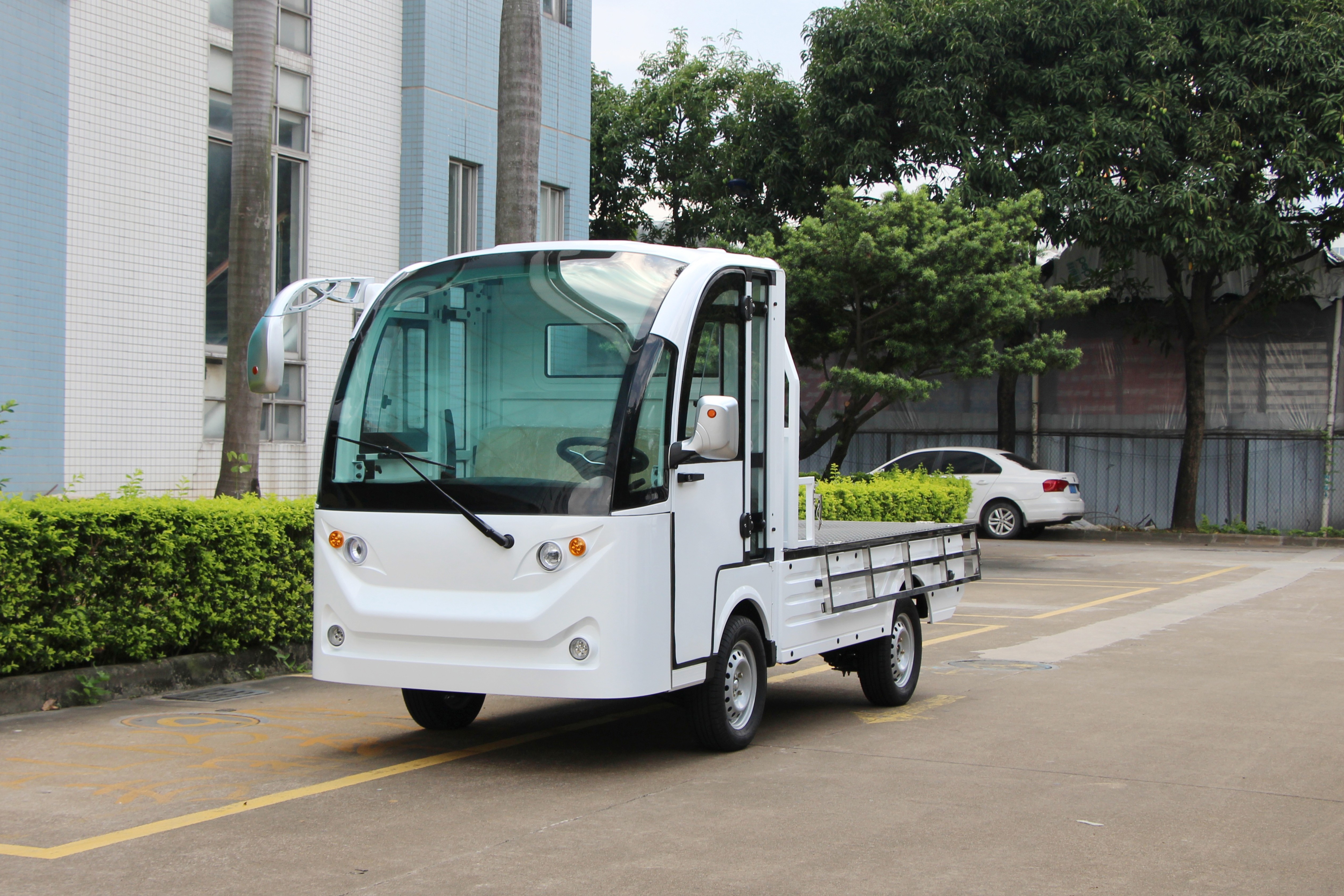
- Battery Electric Vehicles (BEVs): Powertrains such as the LQF1024F replace internal combustion engines, eliminating fuel consumption and tailpipe emissions for internal logistics across industrial parks, municipal facilities, and resorts.
- Compressed Natural Gas (CNG) & LPG: Gaseous fuels reduce carbon monoxide and particulate output relative to traditional diesel engines, though they require pressure-rated fuel tanks and regular engine maintenance.
- Hydrogen Fuel Cells: Hydrogen systems offer rapid refueling and extended driving range for high-utilization commercial fleets, despite high fueling infrastructure investment.
- Target Utility Scenarios: Electric mini trucks handle municipal garbage transfer, resort housekeeping movement, and campus material handling with zero noise and localized zero emissions.
Detailed Architectural/Principle Analysis
Commercial light cargo transport relies on durable structural platforms designed for frequent stop-and-go load cycles. In electric mini trucks like the LQF1024F, structural strength comes from a high-strength steel chassis treated with electrophoresis and powder coating for long-term rustproofing. The composite body construction resists mechanical impacts during heavy daily loading operations. A MacPherson front suspension combined with a rear integral suspension balances ride stability and weight distribution across varied surface conditions.
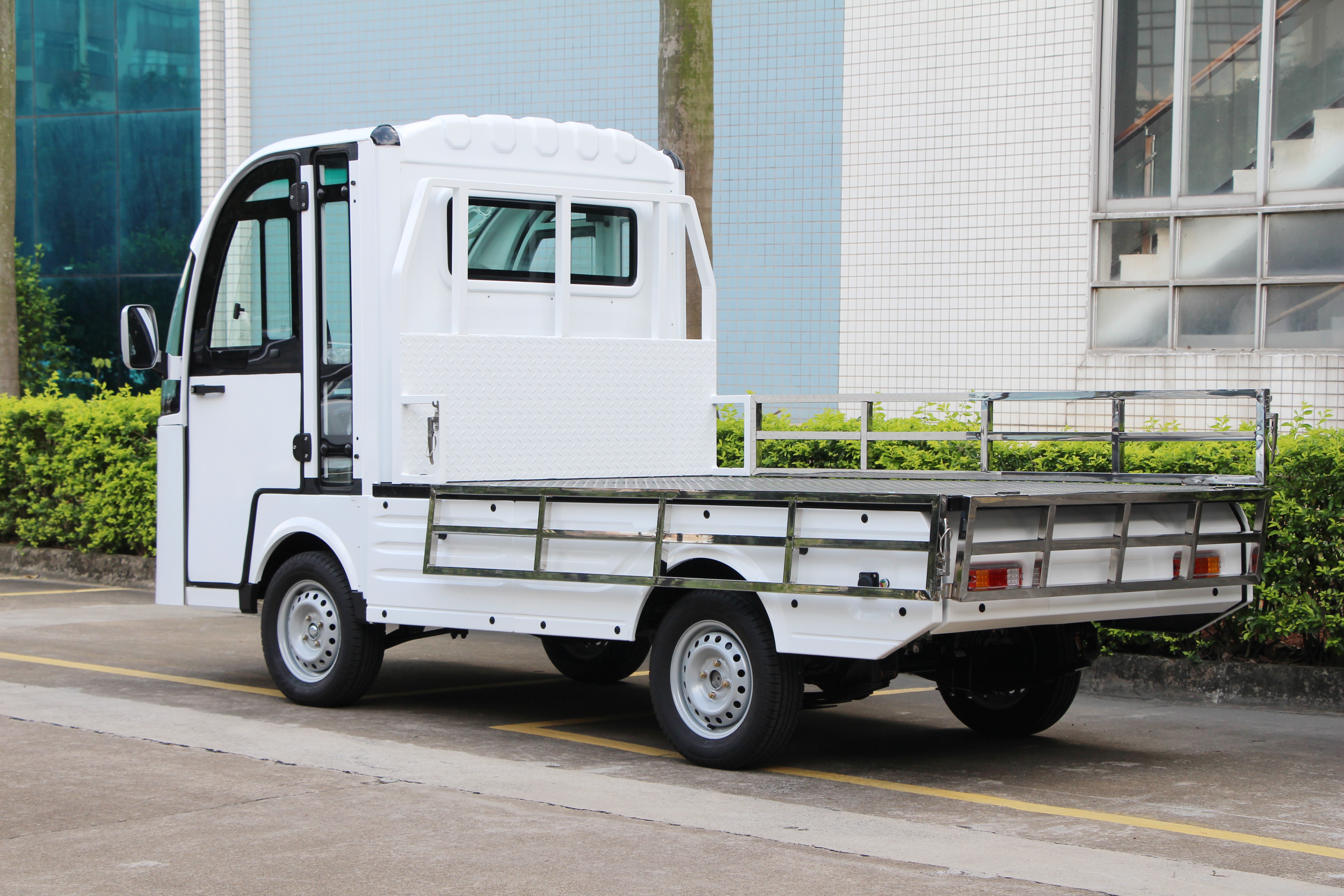
Unlike internal combustion alternative fuels like CNG or LPG, battery electric platforms utilize direct electric motor drives that remove multi-speed transmissions, fuel pumps, and exhaust treatments. Compliance with international standards, such as CE certification, verifies electrical and structural safety for global deployment. Fleet reliability is demonstrated in international government applications, including the Singapore municipal sanitation project utilizing 156 units of specialized garbage transfer trucks.
Data/Solution Comparison
| Fuel / Energy Option | Tailpipe Emissions | Maintenance Profile | Chassis & Drivetrain Architecture | Primary Commercial Application |
|---|---|---|---|---|
| Battery Electric (BEV) | Zero emissions | Low (no engine oil or exhaust service) | High-strength steel chassis, electrophoresis rustproofing, MacPherson/integral suspension | Municipal sanitation, industrial parks, resort logistics |
| Compressed Natural Gas (CNG) | Reduced carbon emissions | Medium (regular spark plug and filter replacement) | High-pressure storage cylinder, modified combustion engine | Urban delivery routes near natural gas stations |
| Liquefied Petroleum Gas (LPG) | Reduced particulate matter | Medium (valve adjustments, oil changes required) | Dual-fuel conversion tanks, traditional gear transmission | Regional commercial freight delivery |
| Hydrogen Fuel Cell | Zero emissions (water vapor) | Medium-High (fuel cell stack and membrane maintenance) | Fuel cell stack, high-pressure hydrogen tank, buffer battery | Continuous long-haul regional logistics |
Frequently Asked Questions (FAQ)
What are the main operational benefits of an electric 1ton truck over CNG or LPG models?
Electric 1ton trucks eliminate tailpipe emissions completely and lower maintenance overhead by removing spark plugs, timing belts, and exhaust systems. Electric drivetrains deliver near-silent operation suitable for indoor warehouses, residential gated communities, and early-morning municipal services.
How does chassis treatment protect electric commercial mini trucks from corrosion?
Vehicles like the LQF1024F feature high-strength steel chassis treated with an electrophoresis coating followed by powder coating. This dual-layer surface treatment prevents rust caused by moisture, road salt, and harsh outdoor working conditions.
What certifications apply to commercial electric utility vehicles?
Commercial electric utility trucks meet international standards including CE certification for safety, alongside ISO9001 quality management, ISO14001 environmental management, and ISO45001 occupational health and safety standards.
Final Conclusion & Recommendations
Selecting an alternative fuel platform for commercial 1ton trucks depends on operational range requirements, facility infrastructure, and total cost targets. Battery electric vehicles provide maximum energy efficiency and minimal maintenance for short-haul, campus, and municipal delivery routes. Standardized testing, including 100% inspection line and road testing prior to delivery, ensures reliable fleet performance. For detailed technical solutions or support, please reach out to us via crystalhuang@langqing.cn.
About Us
Guangzhou Langqing Electric Car CO., LTD. was established in 2000 and operates a 35,000-square-meter manufacturing facility equipped with dedicated slope testing platforms and pre-delivery inspection lines. The company maintains a 30-member research and development team, supporting a monthly production capacity of 1,000 units. Holding ISO9001, ISO14001, ISO45001, and CE certifications, the enterprise has supplied electric utility vehicles to municipal, commercial, and tourism clients across global markets.

Lastest
-
How are replacement spare parts provided for a 17seats bus?
2026-08-14 -
What is the typical deposit percentage for a 23seats bus order?
2026-08-14 -
What recyclable components are used in modern golf carts?
2026-08-14 -
What is the warranty policy for air conditioning on 23seats bus?
2026-08-14 -
What battery specs should I check when buying electric golf carts?
2026-08-14
SUBSCRIBE
INQUIRY