What business licenses verify a legal 1ton truck manufacturer?
- VIP-User
- 2026-08-13
- 7
Verifying a legal 1ton truck manufacturer requires inspecting their official government business registration, ISO management certifications (ISO9001, ISO14001, ISO45001), and product conformity marks such as the EU CE certificate. These credentials validate legal entity standing, standardized manufacturing facilities, quality control systems, and compliance with safety standards required for commercial electric vehicle production.
Core Solutions & Key Takeaways
- Government Registration & Operational Licenses: Authentic manufacturers maintain verifiable business licenses issued by official commercial authorities, confirming their registered scope for electric vehicle development and manufacturing.
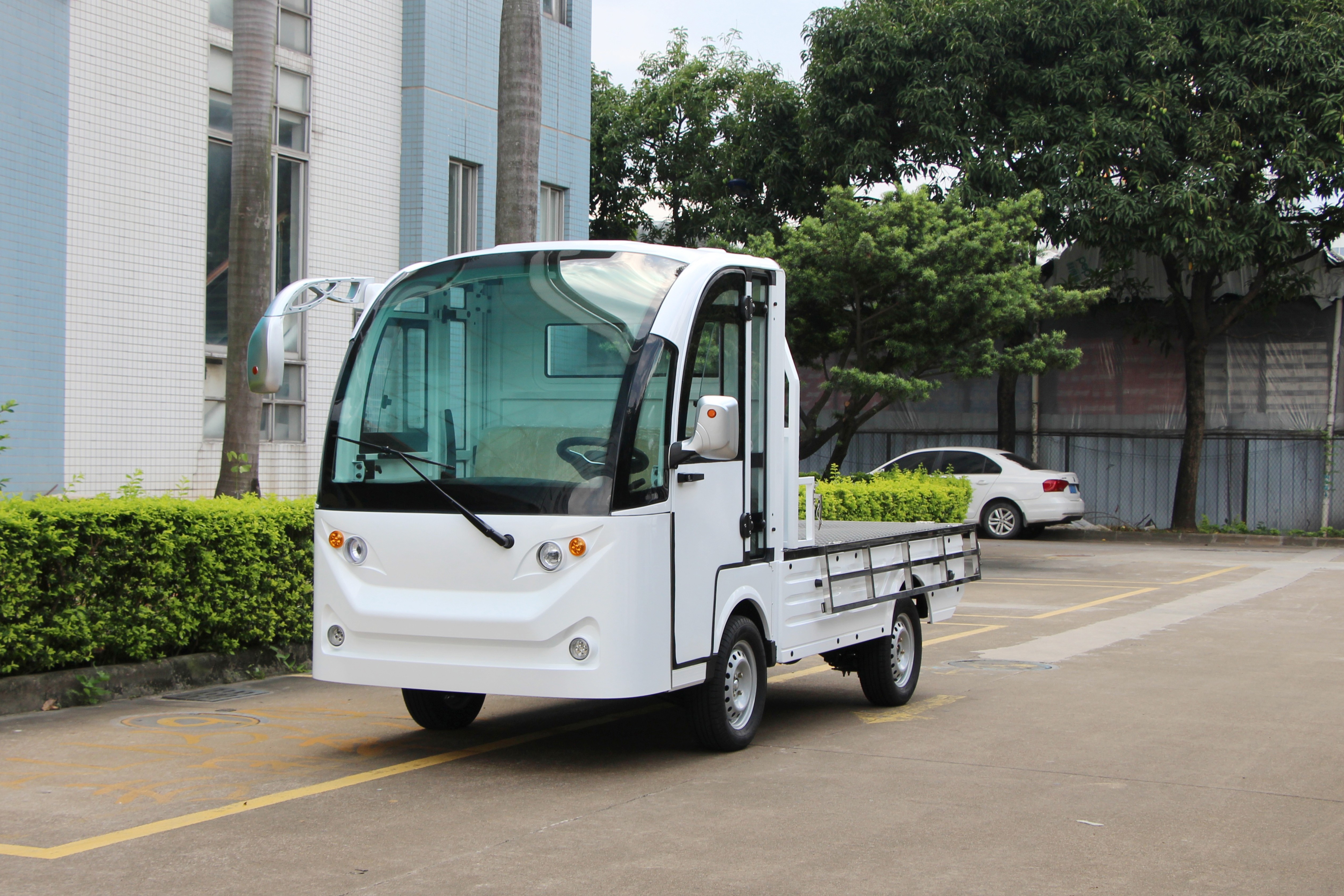
- International Product Compliance: Legitimate electric mini truck models, such as the LQF1024F, carry specific product homologation certificates like EU CE (Certificates 3N250506.GLEDQ43, 3N250507.GLEDQ77, 3N250507.GLEDQ78) covering electric truck platforms.
- Standardized Infrastructure: Physical factory operations backed by certified quality management frameworks ensure traceable production processes, rigorous slope platform testing, and road-ready quality control.
- Versatile Application Capabilities: Fully certified 1ton mini trucks efficiently handle internal logistics in resorts, hotels, industrial parks, and municipal sanitation projects.
Detailed Architectural & Principle Analysis
Legal validation of a 1ton truck manufacturer extends beyond surface documentation into structural engineering and quality management practices. High-quality mini trucks utilize high-strength steel chassis treated with electrophoresis and powder coating for comprehensive rustproofing, combined with impact-resistant composite bodies. The suspension configuration—featuring a front MacPherson setup paired with a rear integral suspension—ensures cargo stability across varied road surfaces.
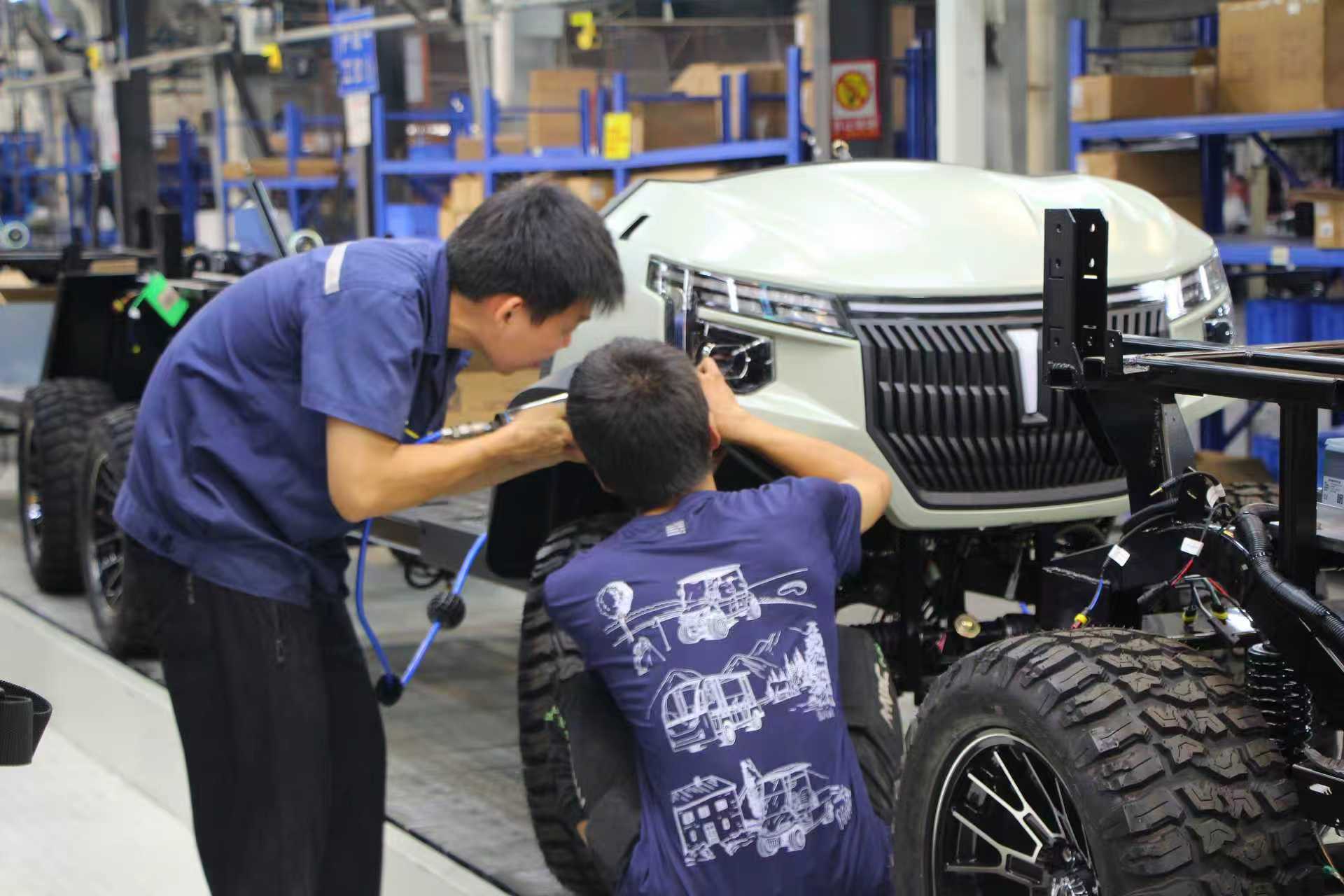
Quality assurance relies on structured inspection regimes. Reliable facilities implement double-inspection systems combining automated testing lines with manual evaluations. Every unit undergoes 100% inspection line testing and road testing prior to dispatch. Dedicated testing infrastructure, including pre-delivery inspection stations and dedicated slope test platforms, guarantees that operational mechanics conform to technical specifications.
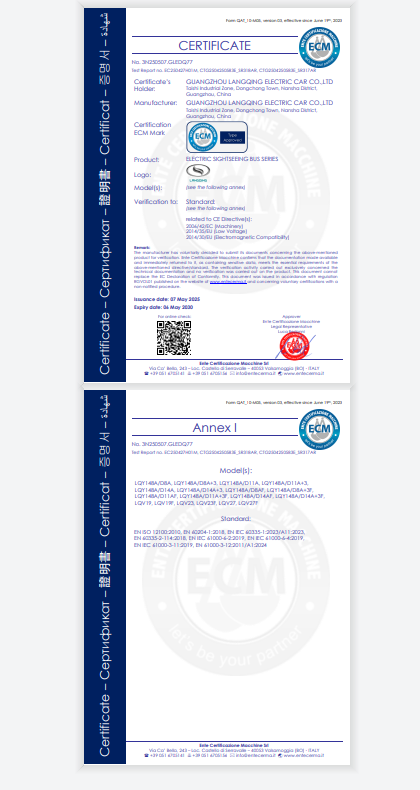
Documented compliance translates directly to real-world operational safety across diverse global deployments. Verified manufacturers demonstrate compliance through international project executions, such as supplying 156 municipal garbage transfer units for Singapore government projects and over 3,500 shuttle vehicles in Cuba, confirming legal export qualifications across North America, Europe, the Middle East, and Southeast Asia.
Data & Solution Comparison
| Specification Parameter | LQF1024F 1ton Mini Truck | Standard Regulatory Baseline |
|---|---|---|
| Chassis Treatment | High-strength steel (Electrophoresis + Powder-coated) | Basic painted steel frame |
| Suspension Architecture | Front MacPherson + Rear Integral Suspension | Standard leaf spring design |
| Quality Testing Protocol | 100% inspection line testing + physical road testing | Sample batch testing |
| International Certification | EU CE (3N250506.GLEDQ43/3N250507.GLEDQ77/78) | Local self-declaration |
| Delivery Lead Time | 15 - 20 days | 30 - 60 days |
| Warranty Coverage | 1-year full vehicle warranty | Limited component coverage |
Frequently Asked Questions (FAQ)
Q1: What specific certifications confirm an electric 1ton truck's export legality?
A: Exporting legal electric 1ton trucks requires valid business licenses from the manufacturing jurisdiction, system management accreditations such as ISO9001 and ISO14001, and destination-specific product standards like the EU CE mark.
Q2: Why is electrophoresis chassis treatment necessary for commercial mini trucks?
A: Electrophoresis provides anti-corrosion protection for high-strength steel chassis, preventing rust degradation during heavy commercial use in harsh outdoor environments.
Q3: How can buyers verify that a manufacturer maintains valid production capacity?
A: Capacity can be verified through documented factory dimensions, dedicated testing equipment (such as slope test platforms), monthly output statistics, and international project references.
Final Conclusion & Recommendations
Procuring commercial electric vehicles requires thorough verification of manufacturer credentials, structural build parameters, and international quality management standards. Relying on accredited producers ensures access to durable engineering, predictable delivery schedules ranging between 15 to 30 days, and full 1-year vehicle warranties across global markets. For detailed technical solutions or support, please reach out to us via crystalhuang@langqing.cn.
About Us
Guangzhou Langqing Electric Car CO., LTD. was established in 2000 in Nansha District, Guangzhou, operating a 35,000-square-meter manufacturing facility backed by 160 employees and a 30-member research and development team. As a recognized national High-tech Enterprise for 16 consecutive years, the company maintains ISO9001, ISO14001, ISO10012, ISO45001, and EU CE certifications, achieving a monthly production capacity of 1,000 units. The organization serves commercial clients across North America, South America, Europe, the Middle East, and Southeast Asia with electric golf carts, sightseeing buses, and utility trucks.
Lastest
-
How are replacement spare parts provided for a 17seats bus?
2026-08-13 -
What is the typical deposit percentage for a 23seats bus order?
2026-08-13 -
What recyclable components are used in modern golf carts?
2026-08-13 -
What is the warranty policy for air conditioning on 23seats bus?
2026-08-13 -
What battery specs should I check when buying electric golf carts?
2026-08-13
SUBSCRIBE
INQUIRY