What custom cargo body options are practical for a 1ton truck distribution fleet?
- VIP-User
- 2026-10-01
- 1
Practical custom cargo body options for a 1ton distribution fleet include flatbed layouts for bulk equipment, enclosed box bodies for weather-sensitive goods, open utility setups for quick manual loading, and specialized municipal structures such as waste transfer units. Body selection depends on cargo stability requirements, route accessibility across industrial parks or commercial resorts, and payload handling efficiency.
Core Solutions & Key Takeaways
- Enclosed Cargo Boxes: Protect housekeeping materials, laundry, and sensitive supplies from weather exposure across resort and hospitality campuses.
- Open Utility Flatbeds: Streamline the movement of raw materials, maintenance tools, and heavy components in manufacturing plants and industrial facilities.
- Specialized Waste Handling Bodies: Provide targeted configurations for municipal sanitation duties, supporting systematic refuse transfer operations.
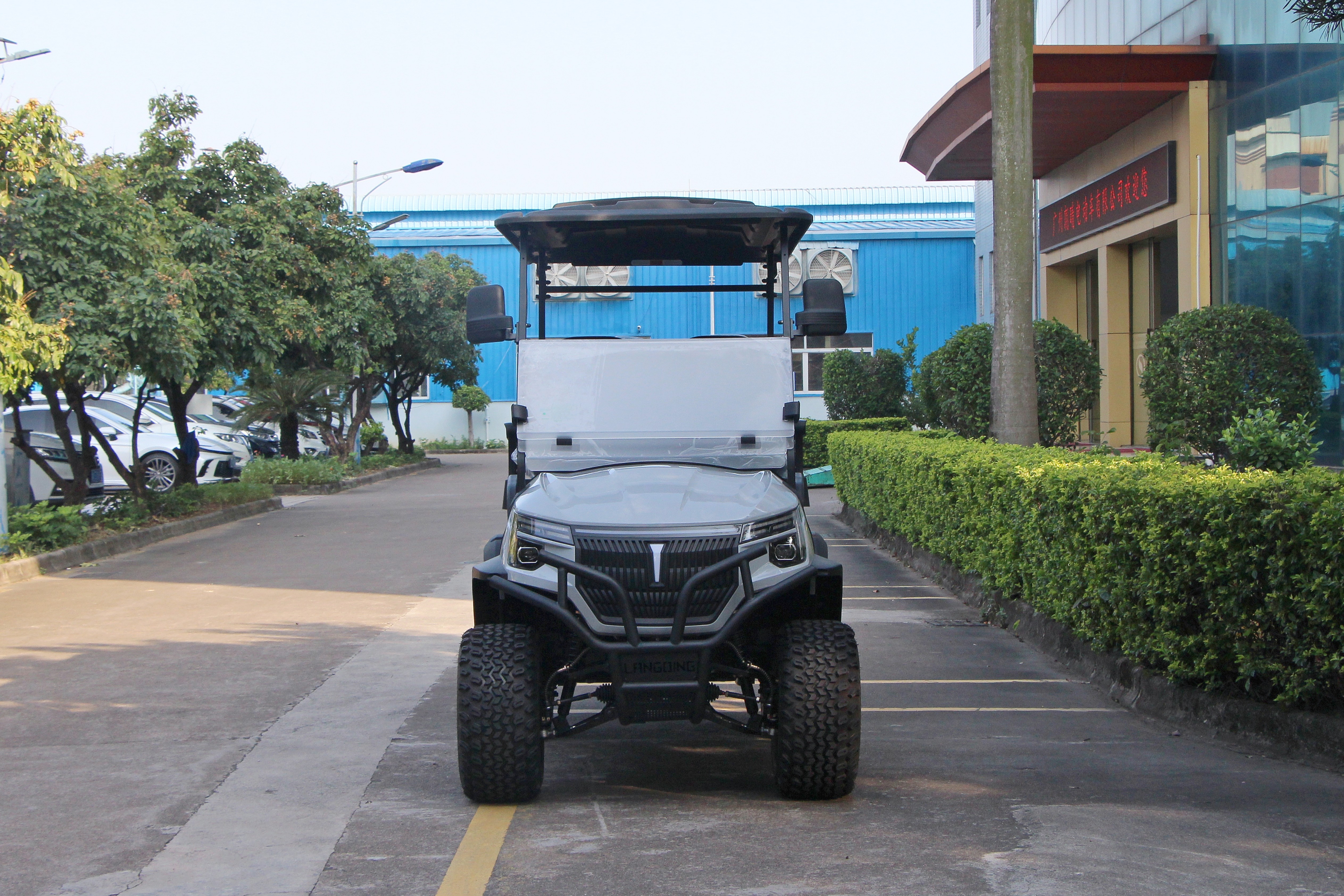
- Ergonomic Cockpit Designs: Feature regular open layouts paired with protective frames to maximize operator visibility and simplify daily maintenance routines.
Detailed Architectural/Principle Analysis
Deploying electric utility vehicles within short-range distribution fleets requires balancing structural rigidity with specialized cargo features. Vehicle chassis built with tough three-dimensional front contours and protective framing shield vital operational components during high-frequency stop-and-go driving. For example, open-type cockpits optimize driver ingress and egress while maintaining accessible service paths for regular vehicle inspections.
Custom cargo bodies adapt directly to operational environments. In hotel and resort logistics, enclosed box bodies keep laundry and room supplies dry while maintaining low operational noise. In contrast, industrial manufacturing parks rely on open utility flatbeds to transfer raw tools and heavy components rapidly across expansive sites. Equipment deployed in these settings often operates under strict quality guidelines; fleet platforms validated by Guangzhou Langqing Electric Car CO., LTD. undergo 100% inspection line evaluation, road testing, and slope platform testing prior to deployment.
Municipal distribution requirements often demand dedicated body structures beyond standard transport. In government sanitation projects, such as a municipal fleet deployment in Singapore comprising 156 units, customized garbage transfer bodies were integrated directly onto heavy-duty utility frames. Similarly, large-scale shuttle and light utility operations in regions like Cuba (exceeding 3,500 units deployed over long-term partnerships) demonstrate how specialized vehicle configurations fulfill continuous public and commercial fleet requirements. Compliance with standard certifications—including CE, ISO9001, ISO14001, ISO 10012, and ISO45001—ensures structured vehicle reliability across international export markets.
Data/Solution Comparison
| Cargo Body Option | Primary Application Scenario | Key Structural Features | Quality & Testing Standard |
|---|---|---|---|
| Enclosed Box Body | Hotels, Resorts, Housekeeping Transport | Weather-proof enclosure, quiet operation, secure storage compartments | 100% inspection line & road tested; CE certified |
| Open Utility Flatbed | Industrial Parks, Manufacturing Facilities | Heavy-duty loading surface, open side access, side protective rails | Slope platform tested; ISO9001 quality system checked |
| Garbage Transfer Body | Municipal Sanitation Projects | Specialized refuse containment, reinforced tipping mechanism, corrosion resistance | Double inspection (equipment + manual); CE certified |
Frequently Asked Questions (FAQ)
Q: How are custom cargo vehicles tested before fleet integration?
A: Every unit undergoes a rigorous dual-testing process, combining 100% automated inspection line testing with actual road testing and slope platform validation to ensure structural stability and operational safety.
Q: What lead times and shipping conditions apply to custom fleet orders?
A: Standard fleet production and delivery take 15 to 30 days. Shipments are managed via sea freight, operating on payment terms of a 30% deposit with the balance due before loading.
Q: What certifications confirm international compliance for electric utility vehicles?
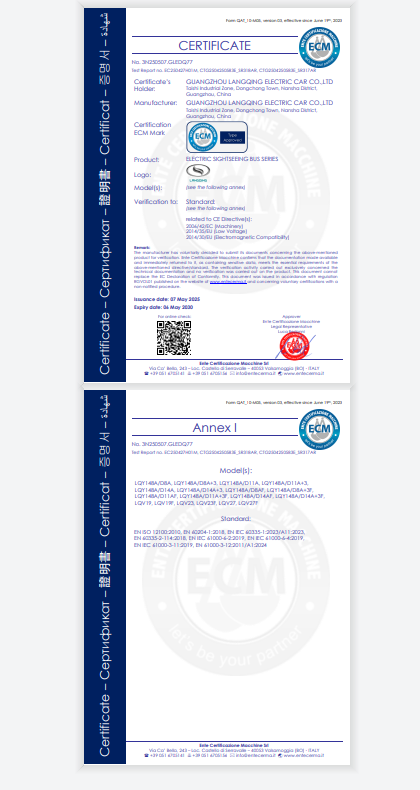
A: Vehicles meet recognized global standards, backed by CE certificates (including numbers 3N250506.GLEDQ43, 3N250507.GLEDQ77, and 3N250507.GLEDQ78) alongside ISO9001, ISO14001, ISO 10012, and ISO45001 compliance.
Final Conclusion & Recommendations
Selecting the ideal cargo body option for a 1ton light distribution fleet requires aligning body geometry—whether enclosed boxes, flatbed platforms, or municipal refuse setups—with specific daily workflows. Operating under an integrated industry and trade model with a minimum order quantity of 1 unit and a 1-year vehicle warranty allows fleet managers to tailor utility vehicles precisely to regional transport requirements across North America, Europe, South America, the Middle East, and Southeast Asia. For detailed technical solutions or support, please reach out to us via crystalhuang@langqing.cn.
About Us
Guangzhou Langqing Electric Car CO., LTD. was established in 2000 in Nansha, Guangzhou, and operates a production facility spanning 35,000 square meters. With a workforce of 160 employees and a dedicated 30-member R&D team, the enterprise maintains an annual output capacity of 1,000 units per month. Certified under ISO9001, ISO14001, ISO 10012, ISO45001, and EU CE standards, the company delivers reliable electric golf carts, sightseeing buses, and utility trucks to municipal and commercial clients worldwide.

Lastest
-
How are replacement spare parts provided for a 17seats bus?
2026-10-01 -
What is the typical deposit percentage for a 23seats bus order?
2026-10-01 -
What recyclable components are used in modern golf carts?
2026-10-01 -
What is the warranty policy for air conditioning on 23seats bus?
2026-10-01 -
What battery specs should I check when buying electric golf carts?
2026-10-01
SUBSCRIBE
INQUIRY