What happens if 17seats bus delivery is delayed by the factory?
- VIP-User
- 2026-08-14
- 9
When a factory delays a 17seats bus delivery, operations experience immediate passenger capacity deficits, scheduling disruptions, and unfulfilled service contracts. To prevent these bottlenecks, established manufacturers like Guangzhou Langqing Electric Car CO., LTD. utilize a 1,000-unit monthly production capacity, strict 15-to-30-day turnaround cycles, and 100% line testing to guarantee on-time delivery for high-capacity passenger transport.
Core Solutions & Key Takeaways
- Factory Capacity Management: Selecting manufacturers with high monthly output (up to 1,000 units) minimizes queue delays for bulk orders of open sightseeing buses.
- Contractual Delivery Safeguards: Standard payment terms, such as a 30% deposit with the balance due before loading, safeguard buyer capital during factory assembly.
- Operational Redundancy: Scenic resorts, gated communities, and municipal transit services rely on pre-planned vehicle rotation to offset delayed vehicle intake.
- Quality Verification Protocols: 100% inspection line testing and road testing prevent shipping rejections and post-delivery component failures.
Detailed Architectural/Principle Analysis
Factory delivery delays for a 17seats bus generally stem from raw material bottlenecks, structural assembly delays, or prolonged quality testing. Commercial electric vehicles like the LQY148A (D14A+3 model) rely on heavy-duty structural components including a high-strength anti-rust steel chassis, MacPherson independent front suspension, and a rear leaf-spring suspension. Delays in forging or coating these structural elements freeze the remaining assembly line.

In addition to chassis alignment, exterior body fabrication requires specialized molding. The use of PT + PBT alloy injection-molded front covers provides impact resistance but demands tight temperature controls during manufacturing. If quality checks flag molding defects or electrical steering inconsistencies, the vehicle must re-enter the production loop. Certified production plants mitigate this by following strict ISO quality control workflows and CE-certified manufacturing protocols (CE Certificate 3N250506.GLEDQ43).
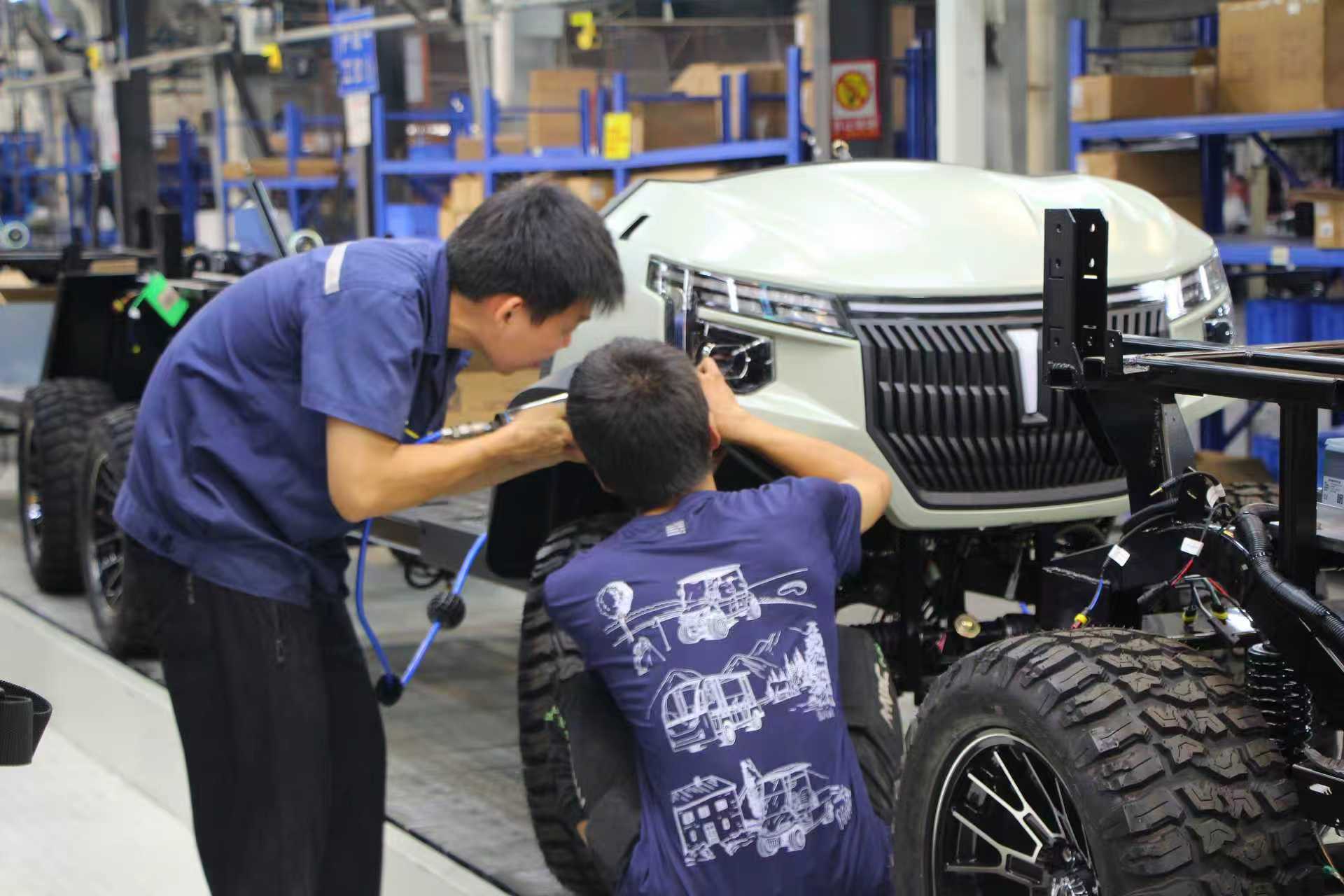
Real-world deployments demonstrate the importance of supplier scale. Large fleet contracts—such as supplying 3,500+ shuttle units to Cuba, 156 municipal units to Singapore, or 131 cultural tourism units to Egypt—require integrated manufacturing facilities capable of managing sea freight logistics, standardized component stocking, and structured delivery schedules.
Data/Solution Comparison
Understanding how factory production standards impact delivery security helps buyers assess supplier reliability. The table below outlines key operational differences between unstandardized assembly processes and integrated factory standards.
| Parameter / Feature | Standard Low-Volume Supplier | Integrated Industrial Manufacturer |
|---|---|---|
| Monthly Production Capacity | Under 100 units / variable | 1,000 units per month |
| Standard Lead Time | 45 to 60 days | 15 to 30 days |
| Quality Control Workflow | Random sample inspections | 100% line testing and road testing |
| International Certification | Uncertified or basic local standards | CE Certified (e.g., 3N250506.GLEDQ43) |
| Commercial Shipping & Payment | Full upfront payment required | 30% deposit, balance before loading via sea freight |
Frequently Asked Questions (FAQ)
Q1: What are the primary causes of factory delivery delays for 17seats buses?
Delivery delays usually occur due to component supply shortages, anti-rust chassis coating cure times, or custom steering and suspension calibration during pre-shipment inspections.
Q2: How can buyers protect their fleet operations from delivery delays?
Buyers should partner with high-capacity integrated manufacturers offering defined lead times (15-30 days), strict quality inspection protocols, and transparent sea freight scheduling.
Q3: How does pre-delivery road testing affect shipment timelines?
Conducting 100% inspection line and road testing adds a controlled 1-2 day verification step prior to loading, preventing costly post-delivery downtime and vehicle recalls.
Final Conclusion & Recommendations
Factory delivery delays present clear operational risks to resort shuttles, municipal routes, and tourism transport. Mitigating these risks requires vetting suppliers based on factory scale, chassis engineering standards, and international certifications. Prioritizing manufacturers with high monthly output, short production lead times (15-20 days per unit), and 1-year whole-vehicle warranties ensures smooth sea freight delivery and fleet integration. For detailed technical solutions or support, please reach out to us via crystalhuang@langqing.cn.
About Us
Guangzhou Langqing Electric Car CO., LTD. was established in 2000 and operates a 35,000-square-meter industrial park staffed by 160 professionals. Equipped with a 30-member R&D team and maintaining a monthly capacity of 1,000 units, the company exports 80% of its all-electric vehicle output to international markets. Holding CE certification, it has served clients across multiple industries including municipal sanitation and major tourist shuttle networks.
Lastest
-
How are replacement spare parts provided for a 17seats bus?
2026-08-14 -
What is the typical deposit percentage for a 23seats bus order?
2026-08-14 -
What recyclable components are used in modern golf carts?
2026-08-14 -
What is the warranty policy for air conditioning on 23seats bus?
2026-08-14 -
What battery specs should I check when buying electric golf carts?
2026-08-14
SUBSCRIBE
INQUIRY