What is the average port loading time for a 23seats bus shipment?
- VIP-User
- 2026-08-13
- 16
The average port loading time for a 23seats bus shipment is aligned with a total factory production and delivery preparation lead time of 15 to 20 days, followed by 1 to 3 business days for final port loading and sea freight containerization upon completing 100% pre-delivery testing.
Core Solutions & Key Takeaways
- Manufacturing & Shipping Lead Time: Standard fulfillment and export handling for the 23seats bus (LQV23) takes between 15 and 20 days.
- Pre-Shipment Quality Protocol: Each unit passes 100% inspection line evaluation and physical road tests prior to port loading authorization.
- Structural Engineering: Features a high-strength anti-rust steel frame integrated with MacPherson independent front suspension for long-term chassis durability.
- Target Scenarios: Engineered for high-capacity passenger transport in tourist attractions, gated communities, municipal areas, and hotel resorts.
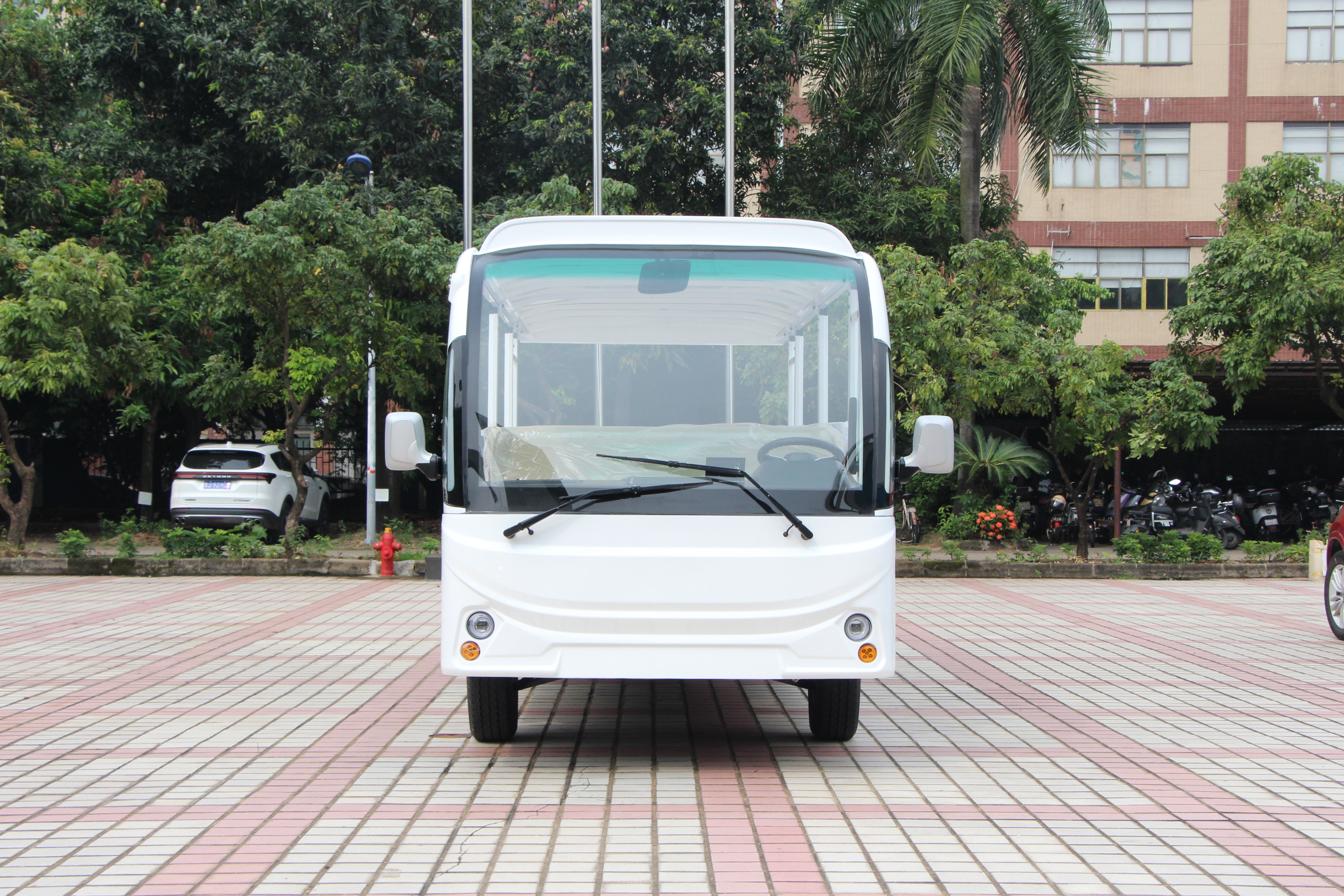
Detailed Architectural/Principle Analysis
The LQV23 open-sightseeing bus utilizes a lightweight roof design and an open cockpit architecture, offering panoramic visibility for commercial passenger transit. Its front cover is constructed from injection-molded PT + PBT alloy, providing high impact resistance against daily operational wear. Underneath, the vehicle utilizes a high-strength anti-rust steel chassis coupled with a MacPherson independent front suspension and a leaf-spring rear suspension to ensure road stability on varied inclines and paved paths.
Control systems are equipped with electric power-assisted steering (EPS) and a responsive automotive-grade braking assembly. To support sea freight dispatch, every manufactured 23seats bus undergoes dual-stage quality control—combining automated inspection line testing and manual verification on slope test platforms. This workflow ensures operational compliance before units enter port storage and vessel loading workflows.
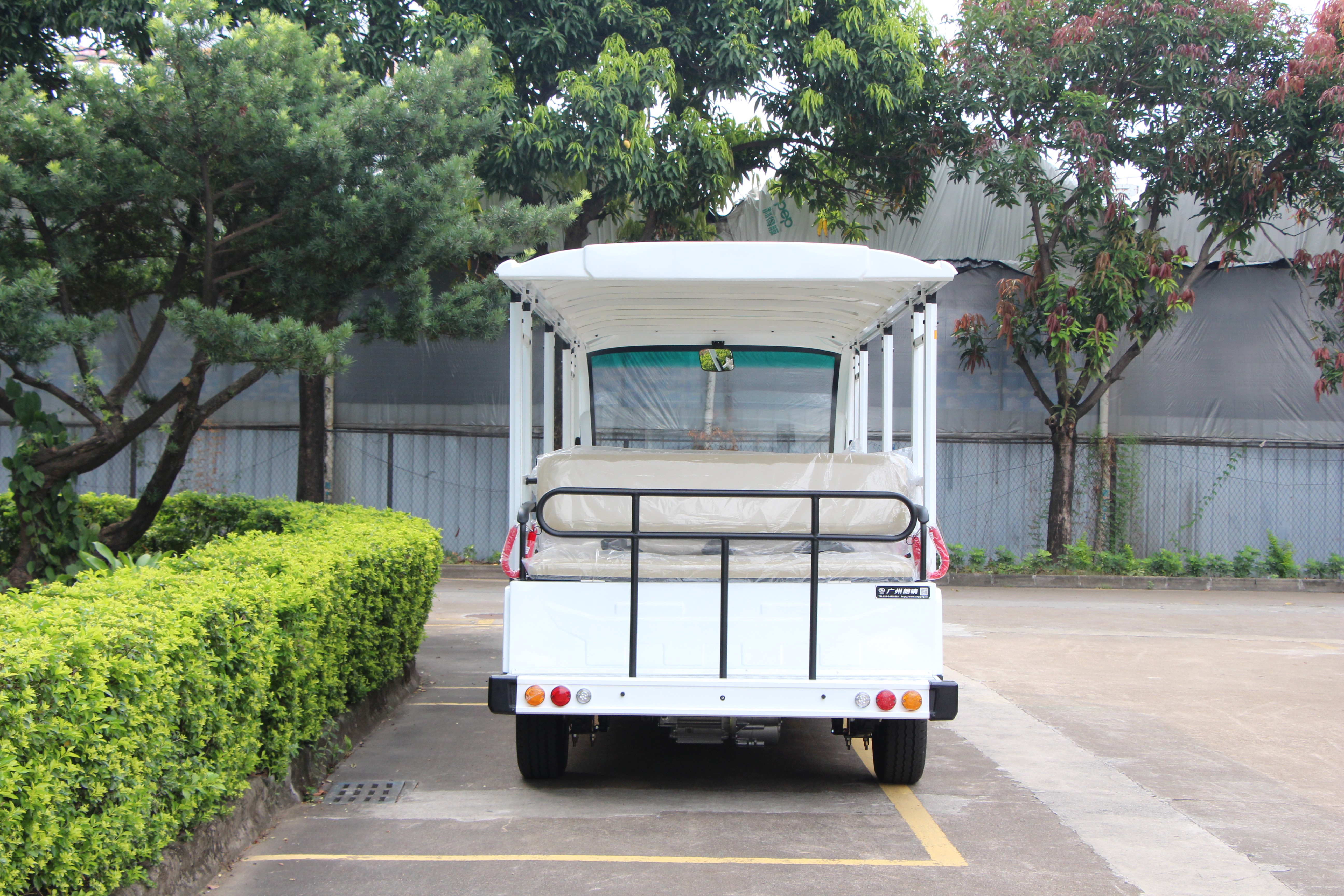
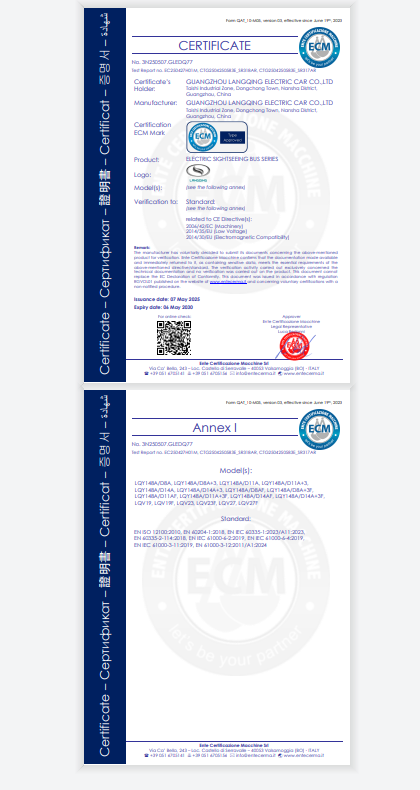
Data/Solution Comparison
| Parameter | Specification / Technical Details | Logistics & Service Impact |
|---|---|---|
| Seating Capacity | 23 passengers | Designed for open-air tourist and resort shuttles |
| Chassis Construction | High-strength anti-rust steel frame | Resists environmental corrosion during sea transport |
| Front Suspension | MacPherson independent suspension | Enhances drive stability and passenger comfort |
| Lead Time to Port | 15 - 20 days | Minimum Order Quantity (MOQ): 1 unit |
| Quality Check & Transport | 100% line & road testing before sea freight | Monthly production capacity: 1,000 units |
Frequently Asked Questions (FAQ)
Q1: What is the typical turnaround time from order confirmation to sea freight port departure?
Production, pre-delivery road testing, and port transfer for a standard order take 15 to 20 days, followed by standard port containerization schedules.
Q2: How are the vehicles verified for quality before shipment?
Vehicles complete a 100% inspection line evaluation, manual double checks, and dedicated slope road testing to meet safety and operational requirements.
Q3: What shipping method is standard for international delivery?
All units are packaged and transferred via sea freight under commercial delivery terms requiring a 30% deposit and full balance clearance prior to loading.
Final Conclusion & Recommendations
Logistical efficiency for a 23seats bus order centers on a predictable 15-to-20-day factory manufacturing and testing timeline, backed by a monthly capacity of 1,000 units. Quality assurances are verified through strict pre-delivery testing protocols before vehicles enter sea freight port loading. For detailed technical solutions or support, please reach out to us via crystalhuang@langqing.cn.
About Us
Guangzhou Langqing Electric Car CO., LTD. was established in 2000, operating a 35,000-square-meter facility with a workforce of 160 employees and an 80% export ratio serving markets across North America, Europe, South America, and the Middle East. The enterprise holds ISO9001, ISO14001, ISO45001, and CE certifications, manufacturing all-electric vehicle solutions across commercial, municipal, and leisure sectors.

Lastest
-
What battery specs should I check when buying electric golf carts?
2026-08-13 -
What legal paperwork is necessary for importing mini truck to US?
2026-08-13 -
What recyclable components are used in modern golf carts?
2026-08-13 -
Does the 1ton truck comply with strict carbon tax policies?
2026-08-13 -
How are replacement spare parts provided for a 17seats bus?
2026-08-13
SUBSCRIBE
INQUIRY