What is the penalty if supplier cancels 1ton truck contract?
- VIP-User
- 2026-08-12
- 7
If a supplier cancels a 1ton truck contract without legal justification, remedies typically require a full refund of any advance deposit, payment of liquidated damages—usually between 10% and 30% of total order value—and potential compensation for operational downtime. Enforcement relies directly on stipulated breach clauses and commercial contract laws governing cross-border procurement.
Core Solutions & Key Takeaways
- Deposit Restitution: Suppliers breaching supply terms must immediately return all advance payments, such as the initial 30% deposit standard in commercial vehicle trade.
- Liquidated Damages Clause: Pre-negotiated default penalties enforce a fixed percentage charge against the defaulting manufacturer to compensate for procurement disruption.
- Operational Risk Mitigation: Selecting reliable manufacturers like Guangzhou Langqing Electric Car CO., LTD. with proven delivery records reduces cancellation risks in heavy mini truck procurement.
- Commercial Application Security: Standardized contracts protect deliveries designated for industrial parks, resorts, and municipal sanitation projects.
Detailed Architectural/Principle Analysis
When procurement contracts for utility vehicles like the LQF1032 1ton truck are unilaterally terminated by a manufacturer, legal recourse centers on contractually defined default mechanisms. Contractual remedies ensure buyers recover capital while holding suppliers accountable for manufacturing or logistics failures. A primary liability involves the immediate return of advance funds, typically collected as a 30% deposit prior to loading or assembly.
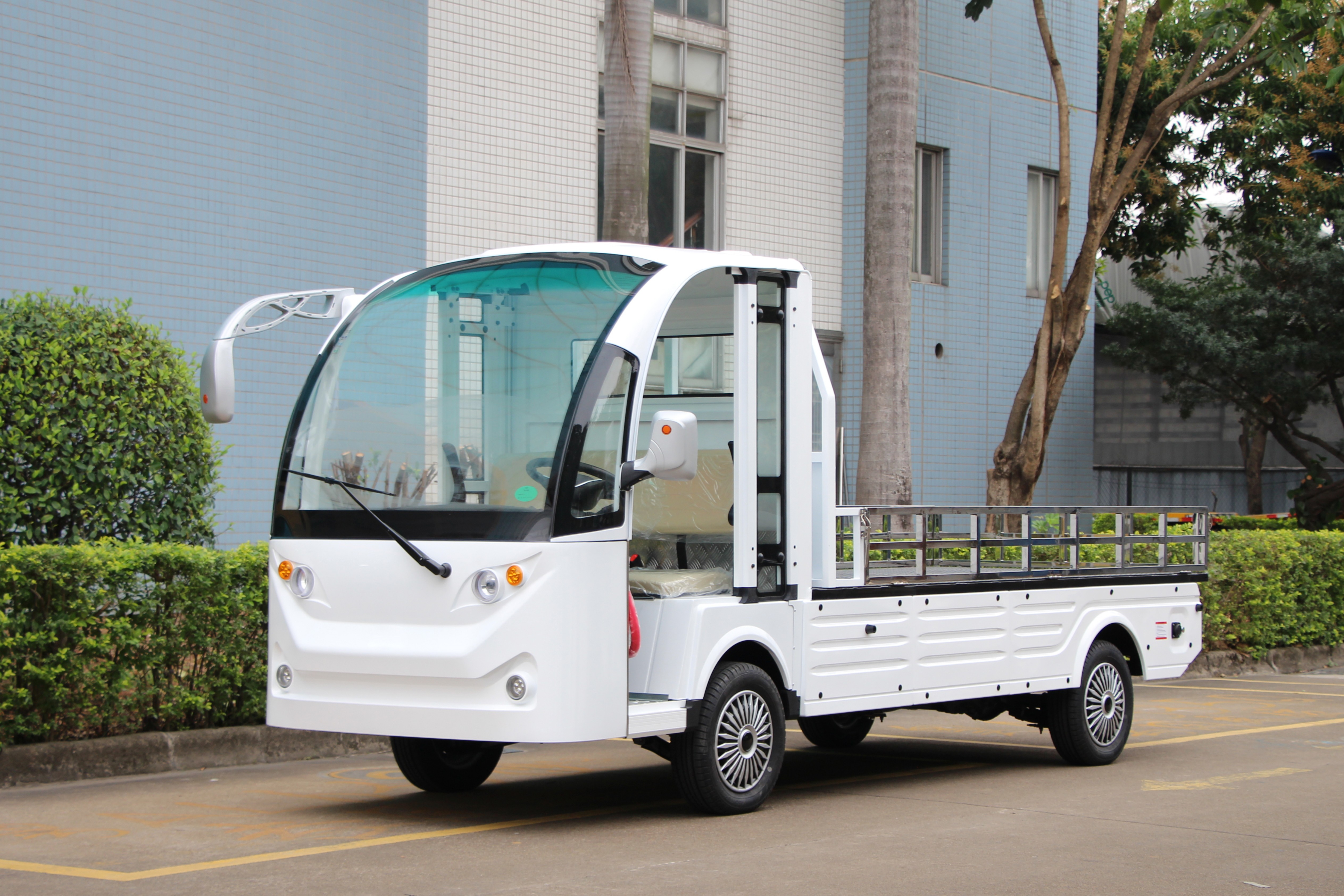
Beyond simple refunds, international commercial law recognizes liquidated damages to offset secondary financial losses, including delayed operations in resorts, hotel properties, and industrial campuses. Verified manufacturers mitigate breach risks through rigorous quality controls and predictable production schedules. For instance, high-capacity utility trucks built on electrophoretic, powder-coated high-strength steel chassis undergo 100% line testing and road testing prior to dispatch, ensuring contractual compliance and preventing order cancellations caused by manufacturing defects.
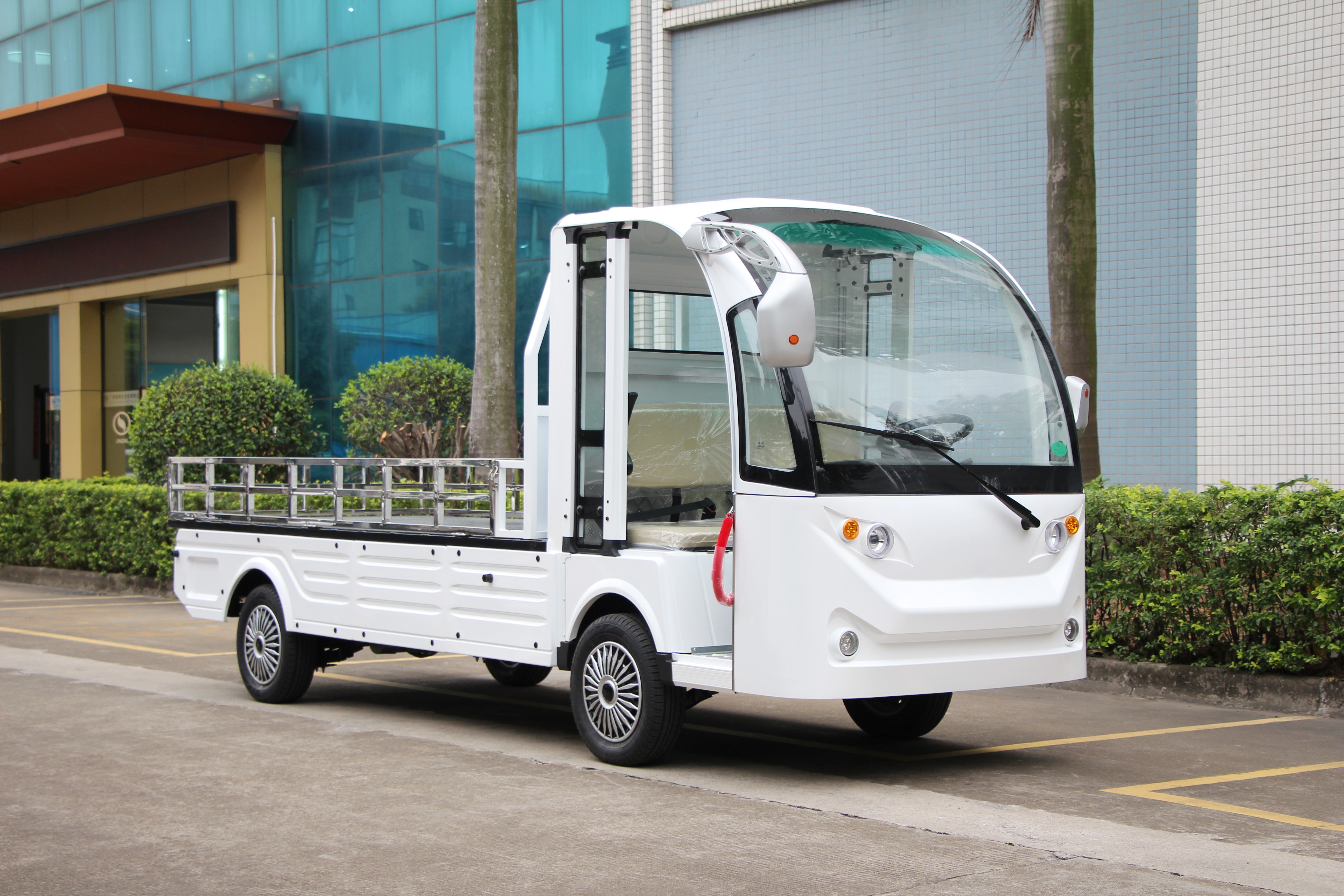
In global supply chains, adherence to international quality benchmarks such as CE certification ensures vehicle specifications align with regulatory standards across markets like North America, Europe, and Asia. Proven delivery history—demonstrated by real-world deployments such as 156 units for Singapore municipal projects and 131 units for Egyptian cultural tourism—reflects operational reliability that safeguards buyers against supplier-side defaults.
Data/Solution Comparison
The table below summarizes standard contractual breach penalties alongside core commercial parameters associated with 1ton truck procurement.
| Parameter / Default Clause | Standard Industry Practice | LQF1032 Utility Truck Specification |
|---|---|---|
| Cancellation Deposit Refund | 100% refund of advance deposit | 30% deposit structure with clear liability terms |
| Liquidated Damages Rate | 10% to 30% of total order value | Stipulated by bilateral commercial agreement |
| Lead Time / Delivery Window | 30 to 60 days | 15 to 20 days production timeline |
| Quality Verification Assurance | Sample testing or factory self-check | 100% inspection line and road testing before delivery |
| Regulatory Compliance Standard | Varies by regional market | CE certified for EU and international markets |
| Primary Frame / Chassis Protection | Standard painted steel | High-strength steel with electrophoresis + powder coating |
Frequently Asked Questions (FAQ)
What legal steps should be taken if a supplier cancels a 1ton truck order after receiving a deposit?
Issue a formal notice of contract breach requesting an immediate refund of the deposit, enforce any liquidated damages clause outlined in the purchase agreement, and engage legal counsel if the supplier refuses compliance.
Can consequential damages be claimed if a supplier default delays facility operations?
Consequential damages depend on whether indirect losses were explicitly included in the contract terms and recognized under the governing jurisdiction of the purchase agreement.
How can buyers reduce the risk of supplier cancellation in electric truck orders?
Partner with established manufacturers possessing verifiable monthly capacity, robust quality testing infrastructure, and accredited compliance standards like ISO9001 and CE.
Final Conclusion & Recommendations
Mitigating the risks of supplier contract cancellation requires embedding clear deposit refund mechanisms, default penalty rates, and strict delivery timelines into commercial agreements. Selecting experienced vehicle manufacturers with transparent testing procedures, such as 100% line and road inspection, safeguards capital and ensures project schedules remain intact. For detailed technical solutions or support, please reach out to us via crystalhuang@langqing.cn.
About Us
Guangzhou Langqing Electric Car CO., LTD. was established in 2000 in Nansha, Guangzhou. Operating a 35,000-square-meter facility with a monthly production capacity of 1,000 units, the company maintains an export ratio of 80% across global markets. Backed by a 30-member R&D team and accredited with CE certifications, Guangzhou Langqing has served clients across multiple industries including municipal, tourism, and industrial logistics.
Lastest
-
How are replacement spare parts provided for a 17seats bus?
2026-08-12 -
What is the typical deposit percentage for a 23seats bus order?
2026-08-12 -
What recyclable components are used in modern golf carts?
2026-08-12 -
What is the warranty policy for air conditioning on 23seats bus?
2026-08-12 -
What battery specs should I check when buying electric golf carts?
2026-08-12
SUBSCRIBE
INQUIRY