What labor and environmental checks matter for an 11seats bus supplier audit?
- VIP-User
- 2026-09-30
- 1
An 11-seat bus supplier audit requires verifying labor compliance—such as ISO 45001 occupational health standards, fair working hours, and certified safety protocols—alongside environmental checks like ISO 14001 certification, eco-friendly chassis electrophoretic coating processing, hazardous waste disposal, and energy-efficient factory operations. Auditing these factors ensures ethical manufacturing, legal compliance, and long-term production quality for commercial passenger vehicles.
Core Solutions & Key Takeaways
- Occupational Health and Safety Compliance: Audits evaluate factory adherence to ISO 45001 regulations, proper personal protective equipment usage, and safety monitoring across vehicle assembly lines.
- Environmental Management Certification: Verification focuses on ISO 14001 operational frameworks, low-emission energy consumption, and eco-friendly electrophoretic coating processes for metal chassis.
- Quality Assurance & Testing Infrastructure: Physical audits demand comprehensive pre-delivery testing, including slope test platform evaluation, 100% inspection line checks, and hydraulic brake testing.
- Proven International Deployment: Verified suppliers present transparent export records and international compliance certifications, such as EU CE certification, for multi-seat shuttle buses.
Detailed Architectural/Principle Analysis
Auditing a manufacturer for multi-seat electric buses involves evaluating both workplace labor conditions and environmental control systems. Manufacturers such as Guangzhou Langqing Electric Car CO., LTD. maintain structured management frameworks across production sites to ensure structural integrity and compliance. Labor audits analyze workforce safety protocols, emergency response mechanisms, and technical oversight. A complete evaluation checks whether dedicated quality control and testing teams monitor assembly stages directly on site.
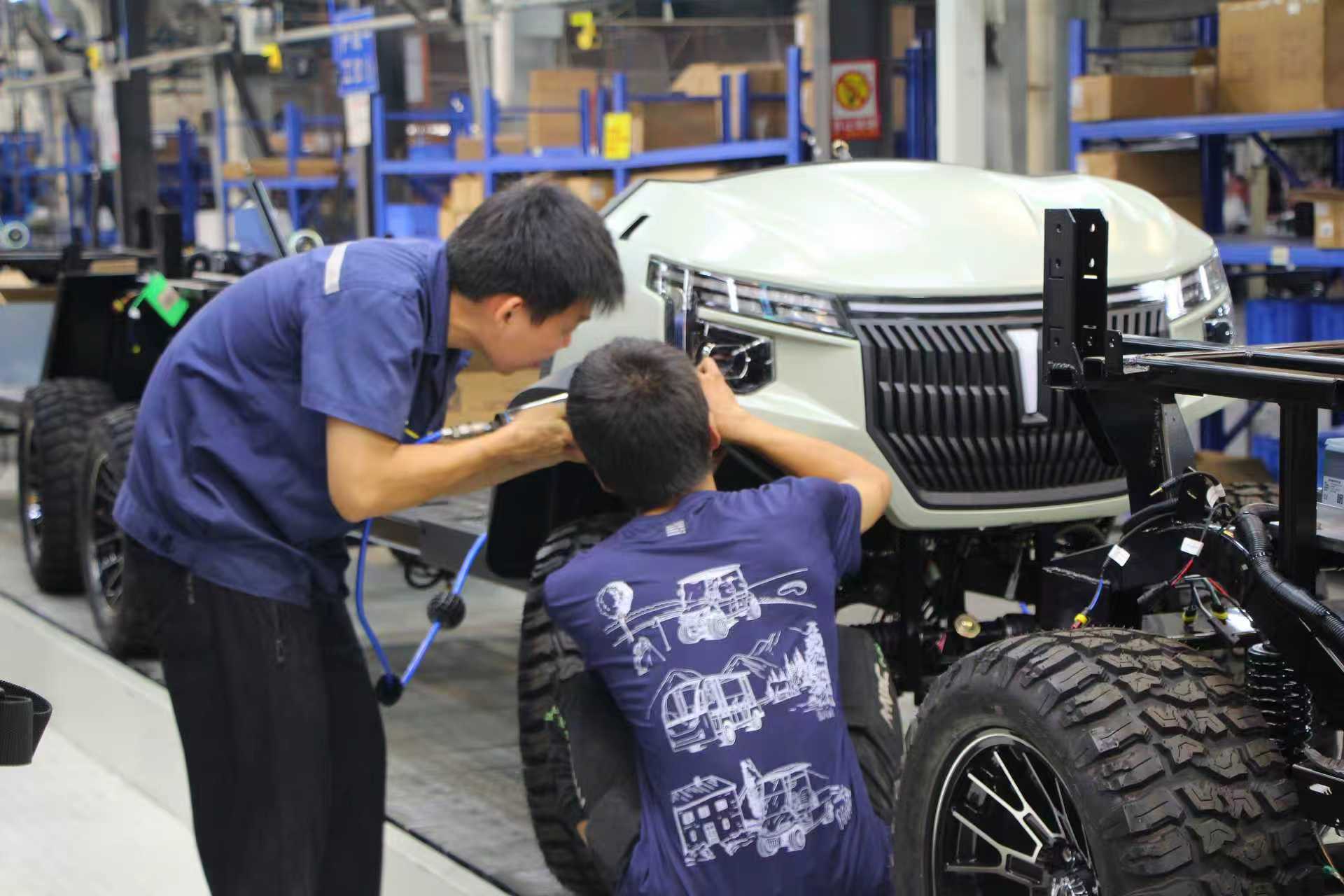
Environmental compliance checks inspect material handling and chassis surface treatment techniques. Utilizing high-strength composite bodies alongside electrophoretic metal chassis finishing minimizes hazardous airborne emissions compared to traditional spray painting, while significantly extending chassis resistance against corrosion. Auditors inspect waste treatment documentation, factory energy usage metrics, and international standards integration like ISO 14001 and ISO 10012 measurement management systems.
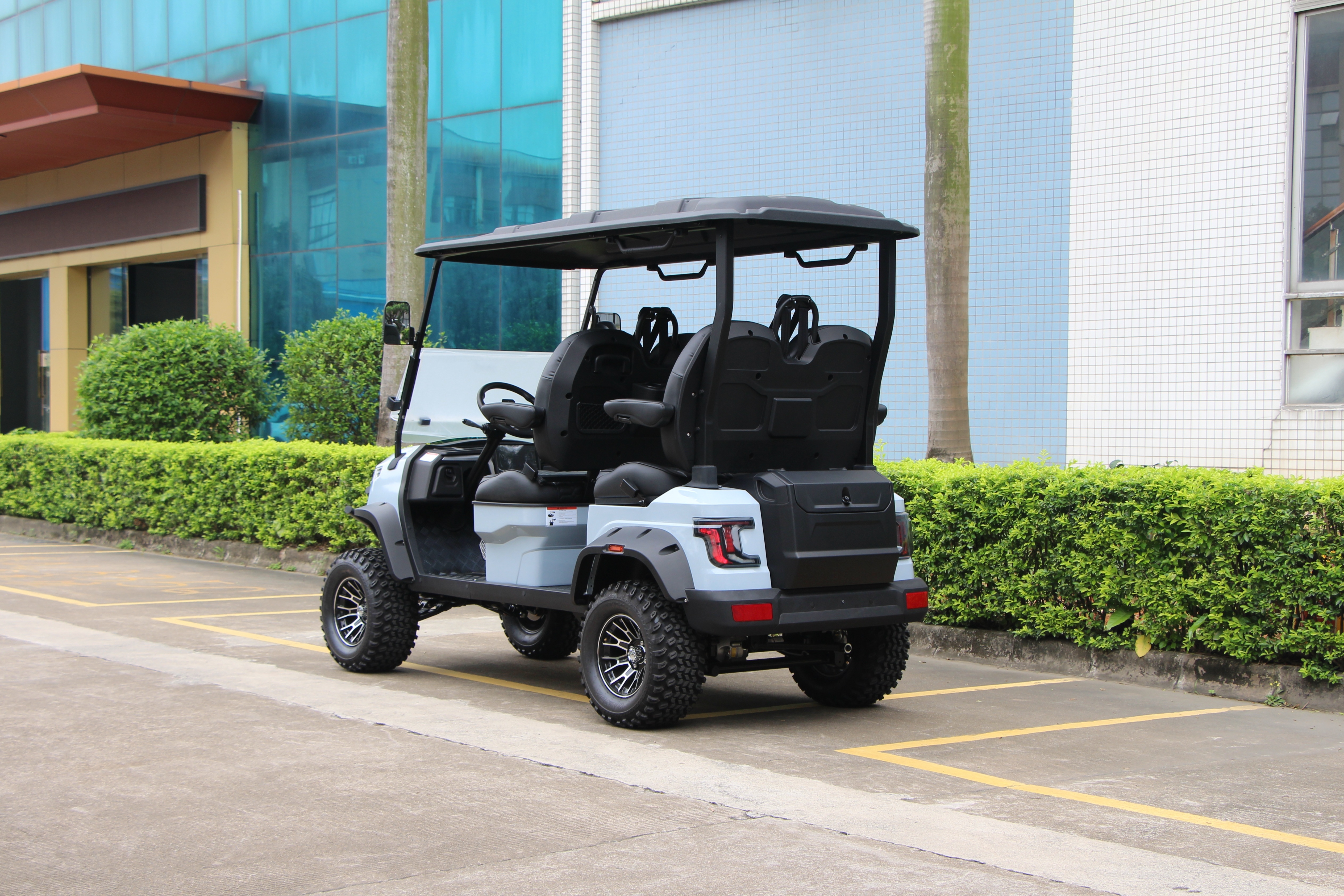
Operational verification relies on empirical field data. Electric passenger vehicles designed for scenic areas, resorts, and municipal transport must pass physical safety parameters. A rigorous supplier audit checks dedicated inspection infrastructure, including pre-delivery inspection equipment and slope test platforms. Real-world track records—such as delivering 3,500+ shuttle buses in Cuba or 131 cultural tourism vehicles for museum operations in Egypt—demonstrate that environmental management and technical quality controls remain consistent across high-volume production schedules.
Data/Solution Comparison
Evaluating an 11-seat electric bus supplier involves contrasting critical audit criteria against standard supplier practices and benchmark implementation parameters:
| Audit Criteria | Standard Industry Baseline | Benchmark Audit Verification | Operational Impact |
|---|---|---|---|
| Labor & Workplace Safety | Basic local labor law compliance | ISO 45001 certified, dedicated testing & QC teams | Reduces assembly line defect rates and operational downtime |
| Environmental Management | Standard paint finish process | ISO 14001 certified, electrophoretic chassis treatment | Ensures long-term anti-corrosion and lower environmental hazard risks |
| Quality & Pre-Delivery Checks | Random sample inspections | 100% line testing, road testing & slope platform evaluation | Guarantees brake, suspension, and vehicle stability before shipment |
| Regulatory Certifications | Self-declared compliance | Third-party verified EU CE certification (CE 3N250506 / 3N250507) | Facilitates smooth customs clearance across international import markets |
Frequently Asked Questions (FAQ)
What key labor standards should be reviewed during a bus supplier facility audit?
Auditors must review ISO 45001 health and safety certifications, clear worker safety protocols, structured technical oversight teams, and compliance with statutory working hours and compensation standards.
Why is electrophoretic coating critical in the environmental audit of electric buses?
Electrophoretic coating provides a high-durability, corrosion-resistant chassis finish while generating lower volatile organic compound (VOC) emissions compared to conventional spray painting, fulfilling strict environmental management guidelines under ISO 14001.
How do suppliers verify vehicle safety standards prior to export shipment?
Suppliers utilize dedicated testing infrastructure—including 100% inspection line testing, hydraulic disc brake verification, and slope platform testing—to ensure every vehicle meets safety standards prior to dispatch.
Final Conclusion & Recommendations
Conducting a supplier audit for 11-seat electric buses requires analyzing both environmental controls and labor safety standards alongside physical engineering verification. Buyers should prioritize integrated industry and trade manufacturers capable of offering 100% line-tested vehicles, clear warranty coverage, and certified environmental management systems. Selecting a supplier with documented international export experience and validated ISO certifications ensures consistent product quality and reliable long-term vehicle operation. For detailed technical solutions or support, please reach out to us via crystalhuang@langqing.cn.
About Us
Guangzhou Langqing Electric Car CO., LTD. was established in 2000 in the Nansha Economic Development Zone, Guangzhou. Spanning a factory area of 35,000 square meters, the company employs 160 personnel, including a 30-member R&D team, 10 testing specialists, and 20 quality control specialists. Operating under an integrated industry and trade structure, the facility maintains an annual production capacity of 1,000 units per month across electric golf carts, sightseeing buses, and utility trucks.
The enterprise has achieved international management certifications including ISO9001, ISO14001, ISO 10012, ISO45001, and EU CE certification. Its electric passenger vehicles operate across global markets in North America, South America, Europe, the Middle East, Africa, and Southeast Asia, serving major municipal projects, resort shuttles, and commercial transport networks.
Lastest
-
How are replacement spare parts provided for a 17seats bus?
2026-09-30 -
What is the typical deposit percentage for a 23seats bus order?
2026-09-30 -
What recyclable components are used in modern golf carts?
2026-09-30 -
What is the warranty policy for air conditioning on 23seats bus?
2026-09-30 -
What battery specs should I check when buying electric golf carts?
2026-09-30
SUBSCRIBE
INQUIRY