What smart fleet management systems work with 17seats bus?
- VIP-User
- 2026-08-14
- 7
Smart fleet management systems working with a 17seats bus rely on CAN-bus integrated telematics, GPS tracking platforms, and OBD-II or dedicated EV controllers. Systems supporting J1939 or custom CAN protocols monitor battery state-of-charge, motor temperature, driver behavior, and real-time location. Popular commercial options include Geotab, Samsara, and open-API IoT platforms that integrate seamlessly with low-speed electric sightseeing buses.
Core Solutions & Key Takeaways
- CAN-Bus Telematics Integration: Direct connection to electric vehicle controllers enables real-time battery state monitoring, motor diagnostics, and remote fault reporting.
- Route Optimization & Geofencing: GPS-based fleet platforms allow scenic area and resort operators to define geographic boundaries, optimize transit loops, and track schedule adherence.
- Predictive Maintenance Alerts: Telematics track component wear, battery cycle health, and brake status to prevent unscheduled operational downtime.
- Fleet Efficiency Tracking: Operational analytics aggregate energy consumption and passenger load patterns to streamline charging routines and shift rotations.
Detailed Architectural/Principle Analysis
Modern electric shuttle fleets require seamless communication between onboard vehicle electronics and cloud-based management platforms. A 17seats bus designed for high-density transit, such as the open-cockpit LQY148A sightseeing bus, utilizes a CAN-bus architecture that outputs essential vehicle metrics including battery state-of-charge, speed, and brake activity. Telematics gateways tap into this data bus to send diagnostic packets to cloud management dashboards over 4G or IoT networks.

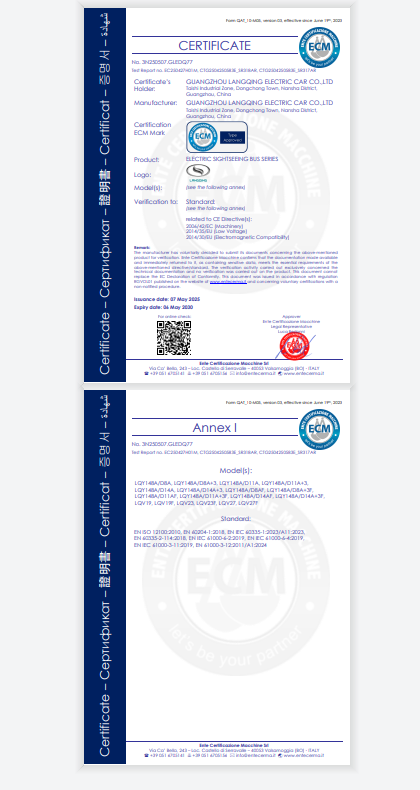
Hardware durability and electrical safety standards remain critical when retrofitting or factory-integrating telematics modules. Fleet vehicles equipped with MacPherson independent front suspension, rear leaf-spring suspension, and electric power-assisted steering require telemetry hardware that tolerates continuous mechanical vibration and ambient exposure. Compliance with international standards, such as CE certification (including 3N250506.GLEDQ43), ensures signal integrity between telematics sensors and auto-grade control units without electrical interference.
Field deployments demonstrate the value of telematics integration in high-utilization environments. Projects including 131 cultural tourism shuttles for a museum in Egypt, 20 airport shuttle units in Argentina, and over 3,500 shuttle buses deployed across Cuba confirm that centralized fleet monitoring maintains operational safety, reduces battery degradation, and optimizes daily transit schedules across large property footprints.
Data/Solution Comparison
| Integration Type | Primary Hardware | Key Telematics Monitored | Suitable Deployment |
|---|---|---|---|
| CAN-Bus Direct Telematics | Embedded IoT Gateway | Battery SOC, Motor Temperature, Speed, Fault Codes | Municipal Transit & Airport Shuttle Fleets |
| GPS Geofencing Tracker | Standalone Cellular GPS Modem | Real-Time Location, Speed, Route History, Idle Time | Scenic Areas & Tourist Attractions |
| OBD-II Diagnostic Systems | Plug-and-Play OBD Dongle | Driver Behavior, Mileage, Brake Status, Voltage | Resort & Hotel Guest Mobility Services |
Frequently Asked Questions (FAQ)
How does a fleet management system connect to an electric 17seats bus?
Telematics hardware connects through the vehicle's onboard CAN-bus or diagnostic port, interfacing directly with the electric motor controller and battery management system to stream data to cloud platforms.
Can geofencing prevent 17seats sightseeing buses from leaving designated operating areas?
Yes, GPS-enabled fleet management platforms issue instant alerts to operators and can trigger automated speed reduction commands when a vehicle crosses predefined operational boundaries.
Are telematics systems compatible with vehicles certified under CE safety standards?
Telematics gateways built to CE and ISO compliance standards operate alongside electric steering and braking systems without causing electromagnetic interference or compromising chassis electronics safety.
Final Conclusion & Recommendations
Selecting the optimal fleet management system for a 17seats bus depends on whether operator priorities center on battery health telemetry, route geofencing, or predictive maintenance. Deploying CAN-bus integrated hardware maximizes operational uptime across scenic spots, resorts, and municipal transit routes backed by standard 1-year vehicle warranties and direct manufacturer support. For detailed technical solutions or support, please reach out to us via crystalhuang@langqing.cn.
About Us
Guangzhou Langqing Electric Car CO., LTD. was established in 2000 in Guangzhou, China. Operating a 35,000-square-meter production facility with a monthly capacity of 1,000 units, the enterprise houses a 30-member R&D team dedicated to electric vehicle advancement. Holding ISO9001, ISO14001, and EU CE certifications, the company supplies high-performance electric golf carts, sightseeing buses, and mini trucks across global markets, having served major municipal and commercial shuttle projects worldwide.

Lastest
-
How are replacement spare parts provided for a 17seats bus?
2026-08-14 -
What is the typical deposit percentage for a 23seats bus order?
2026-08-14 -
What recyclable components are used in modern golf carts?
2026-08-14 -
What is the warranty policy for air conditioning on 23seats bus?
2026-08-14 -
What battery specs should I check when buying electric golf carts?
2026-08-14
SUBSCRIBE
INQUIRY