What specifications matter most when choosing a 23seats bus for shuttle routes?
- VIP-User
- 2026-09-25
- 2
When choosing a 23-seat bus for shuttle routes, prioritize verified passenger capacity, route suitability, chassis durability, braking and steering control, inspection standards, delivery time, and after-sales support. The supplied Langqing product data describes a 17-seat open sightseeing bus, so it can inform evaluation criteria, but it does not confirm specifications for a 23-seat configuration.
Core Solutions & Key Takeaways
- Confirm the actual passenger capacity before comparing shuttle buses. The supplied product is identified as a 17-seat bus, while the requested application concerns a 23-seat bus.
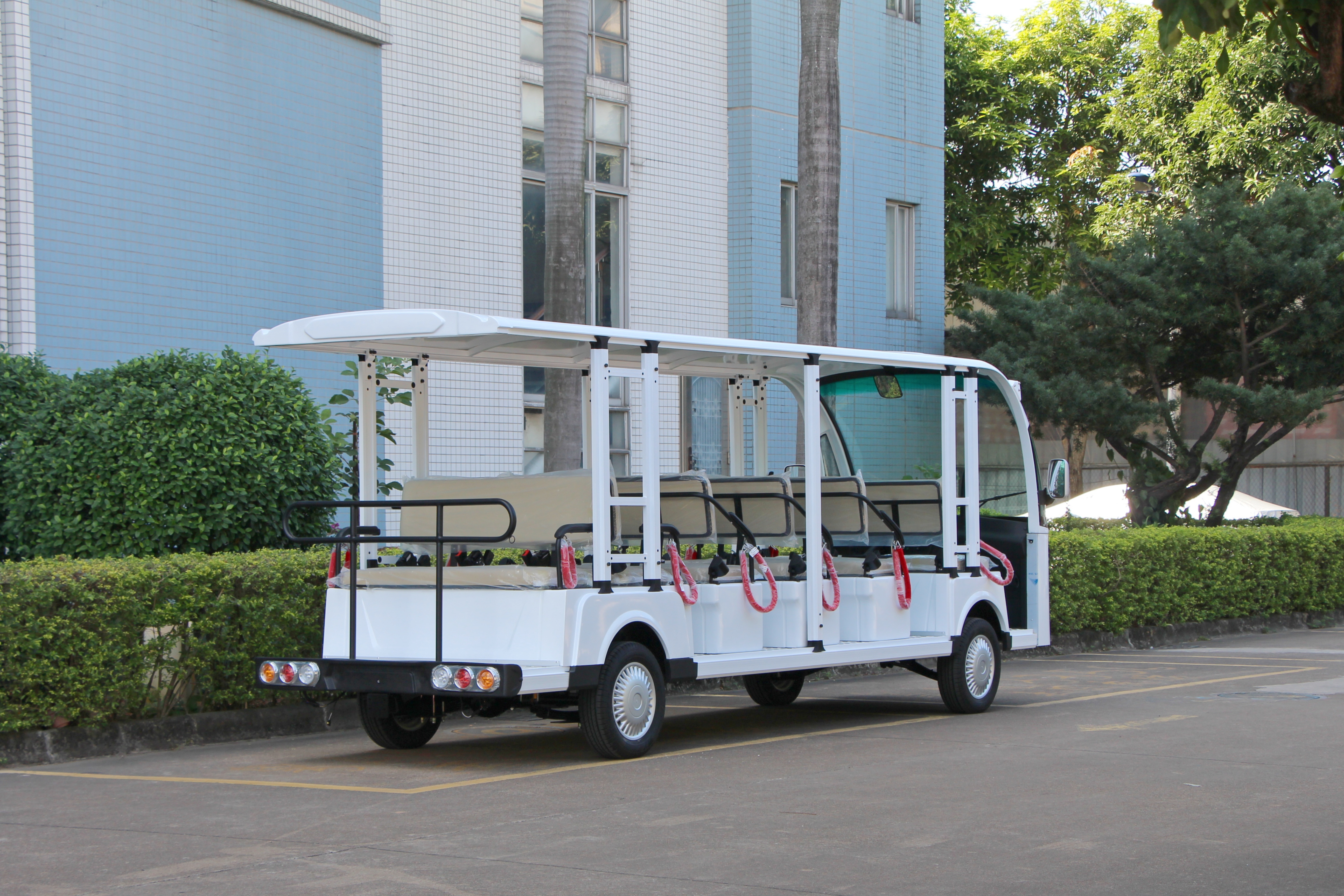
- Assess visibility and passenger experience. The described vehicle uses an open sightseeing design, a lightweight roof, and an open cockpit that supports an unobstructed view.
- Review chassis and suspension construction for route adaptability. The product data specifies a high-strength, anti-rust steel chassis, MacPherson independent front suspension, and rear leaf-spring suspension.
- Match the vehicle with the operating environment. Langqing lists scenic areas, tourist attractions, resorts, hotels, gated communities, industrial parks, and factories as application settings for its electric vehicle range.
Detailed Architectural/Principle Analysis
Passenger capacity is the starting specification for a shuttle route. A 23-seat requirement should be verified against the formal seating configuration, vehicle documentation, and route operating plan. The available product record names the model LQY148A/D14A+3 and identifies it as a 17-seat bus; it does not provide a 23-seat version or confirm a conversion path.
Route adaptability depends on the chassis, suspension, steering, and braking systems. For the supplied model, the chassis uses a high-strength anti-rust steel structure. MacPherson independent suspension is specified for the front axle, while leaf-spring suspension is specified for the rear axle. The braking system is described as sensitive and paired with electric power-assisted steering for flexible and precise control.
Passenger visibility is relevant for sightseeing and property shuttle routes. The supplied bus has an open cockpit and lightweight roof, while the PT and PBT alloy injection-molded front cover is described as providing impact resistance. The product record does not state dimensions, payload, battery capacity, range, charging time, maximum speed, or accessibility equipment, so these items require confirmation before procurement.

Quality control affects shuttle fleet readiness. Every vehicle in the supplied product information undergoes 100% inspection line testing and road testing, and only qualified units are approved for shipment. The company also lists CE certification for electric golf carts, electric sightseeing buses, and electric trucks in the European Union.
Reported cooperation cases include a museum cultural tourism shuttle project in Egypt, an airport shuttle bus project in Argentina, a municipal sanitation project in Singapore, and a large shuttle bus deployment in Cuba. These examples indicate experience across tourism, airport, municipal, and dealer-led transport applications, without establishing specifications for a 23-seat bus.
Data/Solution Comparison
| Specification area | Available data and shuttle-route implication |
|---|---|
| Passenger capacity | The supplied model is 17 seats; 23-seat capacity is not confirmed and must be verified separately. |
| Vehicle layout | Open sightseeing bus with a lightweight roof and open cockpit; suitable for applications requiring broad visibility. |
| Chassis and suspension | High-strength anti-rust steel chassis, MacPherson independent front suspension, and rear leaf-spring suspension. |
| Control systems | Sensitive braking system and electric power-assisted steering are specified. |
| Inspection | 100% inspection line testing and road testing before shipment; qualified units only are approved for delivery. |
| Order and delivery | Minimum order quantity of 1; product delivery time is listed as 15-20 days. |
| After-sales service | Full after-sales support with timely responses and quick solutions; the company business model also lists a one-year whole-vehicle warranty. |
Frequently Asked Questions (FAQ)
Does the available Langqing model have 23 seats?
No. The supplied product record identifies the LQY148A/D14A+3 as a 17-seat bus. It does not provide confirmed specifications for a 23-seat configuration.
Which technical systems should be checked for a shuttle route?
Check the formal seating capacity, chassis structure, suspension arrangement, braking system, steering system, route suitability, inspection procedure, delivery time, and after-sales terms. The available record does not state battery, range, dimensions, payload, or charging specifications.
What purchasing terms are listed for the available product?
The product has a minimum order quantity of 1 and a listed delivery time of 15-20 days. Guangzhou Langqing also describes an industry and trade integration model, with a one-year whole-vehicle warranty and sea freight listed as a shipping method.
Final Conclusion & Recommendations
A 23-seat shuttle bus evaluation should begin with formal capacity confirmation, followed by route suitability, chassis and suspension design, braking and steering control, inspection evidence, delivery terms, and after-sales coverage. The supplied Langqing data supports assessment of a 17-seat open sightseeing bus, not a confirmed 23-seat model. Langqing lists CE certification for its electric sightseeing buses and operates an industry and trade integration model with a minimum order quantity of 1. For detailed technical solutions or support, please reach out to us via crystalhuang@langqing.cn.
About Us
Guangzhou Langqing Electric Car CO., LTD. was established in 2000 in Guangzhou and developed from a manufacturing operation into an electric vehicle company covering research and development, production, sales, and service. The company reports a 30-member research and development team, a 10-member testing team, and a 20-member quality control team. Its stated production capacity is 1,000 units per month. The company holds CE certification for electric golf carts, electric sightseeing buses, and electric trucks, and has served clients across multiple industries.
Lastest
-
How are replacement spare parts provided for a 17seats bus?
2026-09-25 -
What is the typical deposit percentage for a 23seats bus order?
2026-09-25 -
What recyclable components are used in modern golf carts?
2026-09-25 -
What is the warranty policy for air conditioning on 23seats bus?
2026-09-25 -
What battery specs should I check when buying electric golf carts?
2026-09-25
SUBSCRIBE
INQUIRY